EPS Ecology

International Bat Week

It’s International Bat Week, so we’re sharing one of our favourite bats: the brown long-eared bat. This group was found during this year’s bat box monitoring on a large infrastructure project.
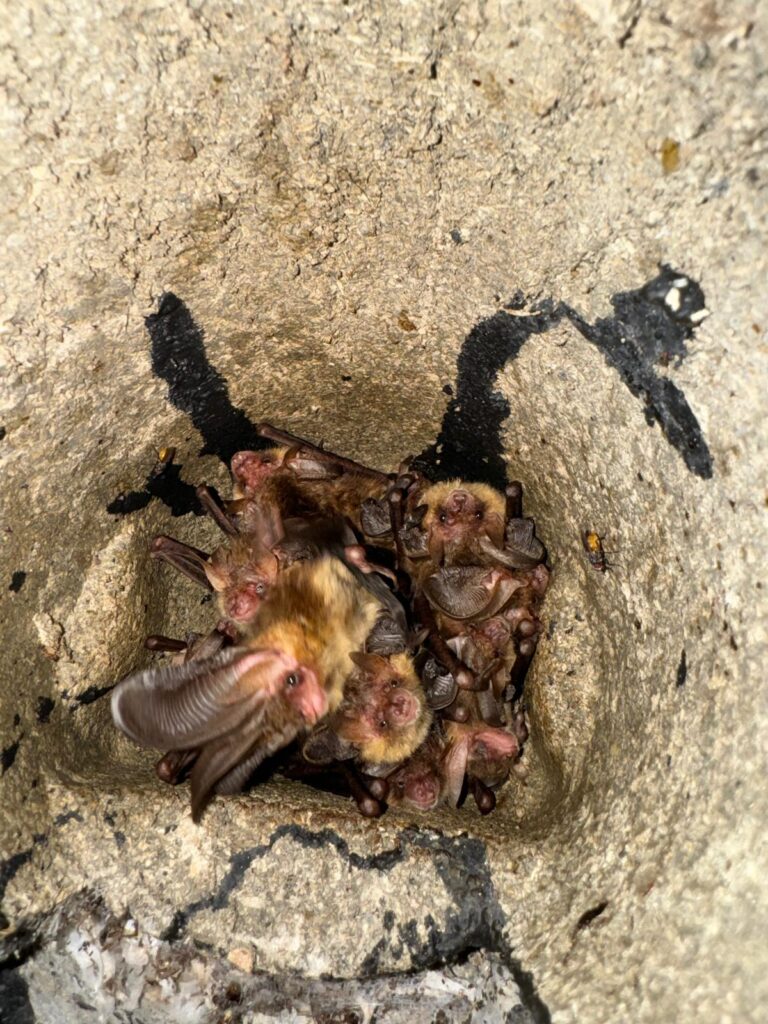
A group of brown long-eared bats roosting inside a bat box
Brown long-eared bats found during this year’s bat box monitoring

About the brown long-eared bat

As the name suggests, it’s all about the ears. They’re almost as long as its body, and it uses them to listen for insects moving on leaves, so it can pick its prey straight off the foliage. When it’s resting, it often tucks its ears back under its wings.

It’s one of the UK’s most widespread bats, and often roosts in older buildings, barns and trees, as well as in bat boxes.

Why we monitor bat boxes

Bat boxes are often put up as part of the mitigation for development and infrastructure schemes, to replace roosts that are lost or disturbed. Checking them over the following years shows whether the boxes are being used, and by which species.

Because checking a box disturbs any bats inside, it can only be done under licence. The boxes on this project were checked by our licensed bat surveyors, who are all qualified tree climbers, so they can safely reach boxes high up in the trees. Nothing beats getting hands-on with the species.

Bats and the law

The UK has 18 species of bat, and all of them, along with their roosts, are protected by law. If your project could affect buildings or trees that bats might use, you’re likely to need a bat survey before you can get planning permission.

Bat roost assessments of buildings and trees can be done at any time of year, so winter is a good time to get one booked before next year’s survey season starts.

Need a bat survey?

Find out more about our bat surveys and aerial tree inspections, or get in touch to talk through your site.
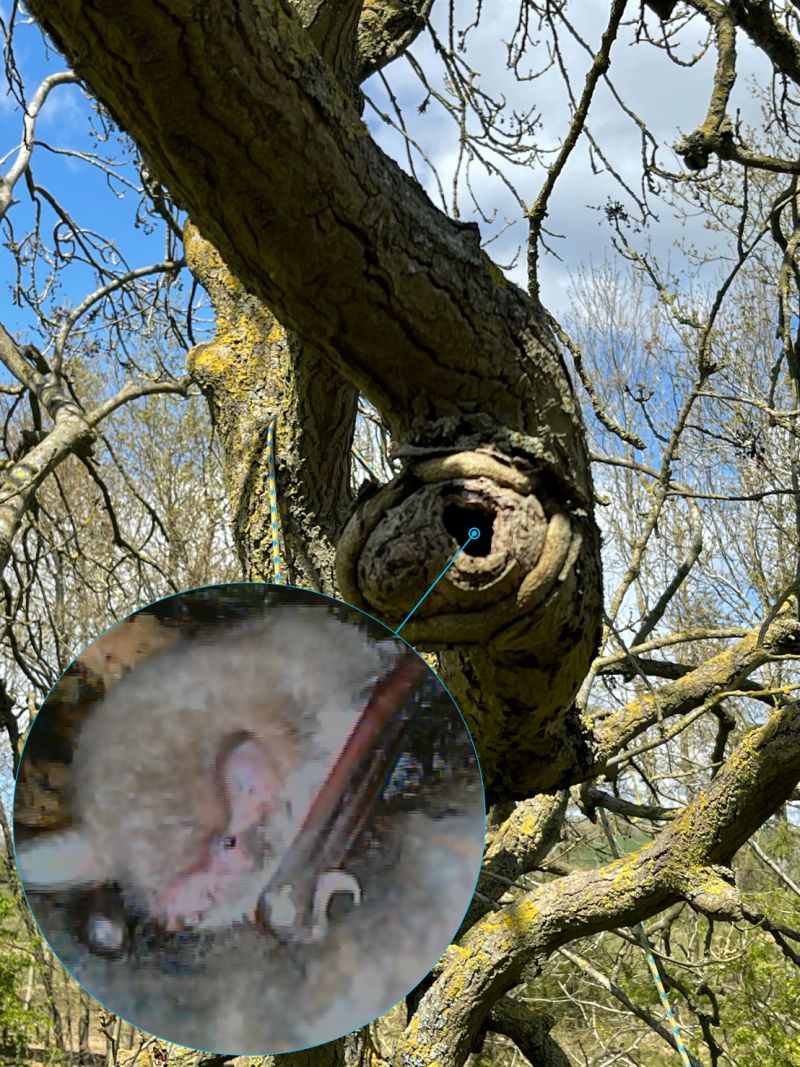
Natterer’s bat roost found on a tree climbing survey

This week’s tree climbing surveys turned up a Natterer’s bat roosting in a rot hole. It’s a good example of why getting up close to a tree can tell you so much more than looking at it from the ground.

Tree with a rot hole roost feature, with an inset endoscope photo of a Natterer's bat roosting inside
A Natterer’s bat found roosting in a rot hole, seen through the endoscope

What is a tree climbing bat survey?

Trees can have features that bats use for roosting, such as rot holes, splits, cracks and lifted bark. From the ground it’s often impossible to tell whether these features are actually being used.

On a climbed survey, our licensed ecologists climb the tree and check each potential roost feature up close, using an endoscope to look inside for bats or signs of them, such as droppings or staining.

Why climb rather than survey from the ground?

Tree climbing surveys can be a cost-effective way of assessing potential roost features:

  • Features can be ruled out. Many features that look suitable from the ground turn out not to be once they’re checked up close.
  • Further surveys can often be avoided. If none of the features are suitable, you may not need any more bat surveys on those trees.
  • Dusk and dawn surveys can be targeted. Where further surveys are needed, they can focus on the trees and features that matter.

What happens if bats are found?

All UK bats and their roosts are protected by law. If a roost is found in a tree that will be affected by works, we’ll advise on the next steps. That might mean further surveys, changes to the design so the tree can be kept, or a licence from Natural England.

Need trees checked for bats?

Find out more about our aerial tree inspections and bat surveys, or get in touch to talk through your site.
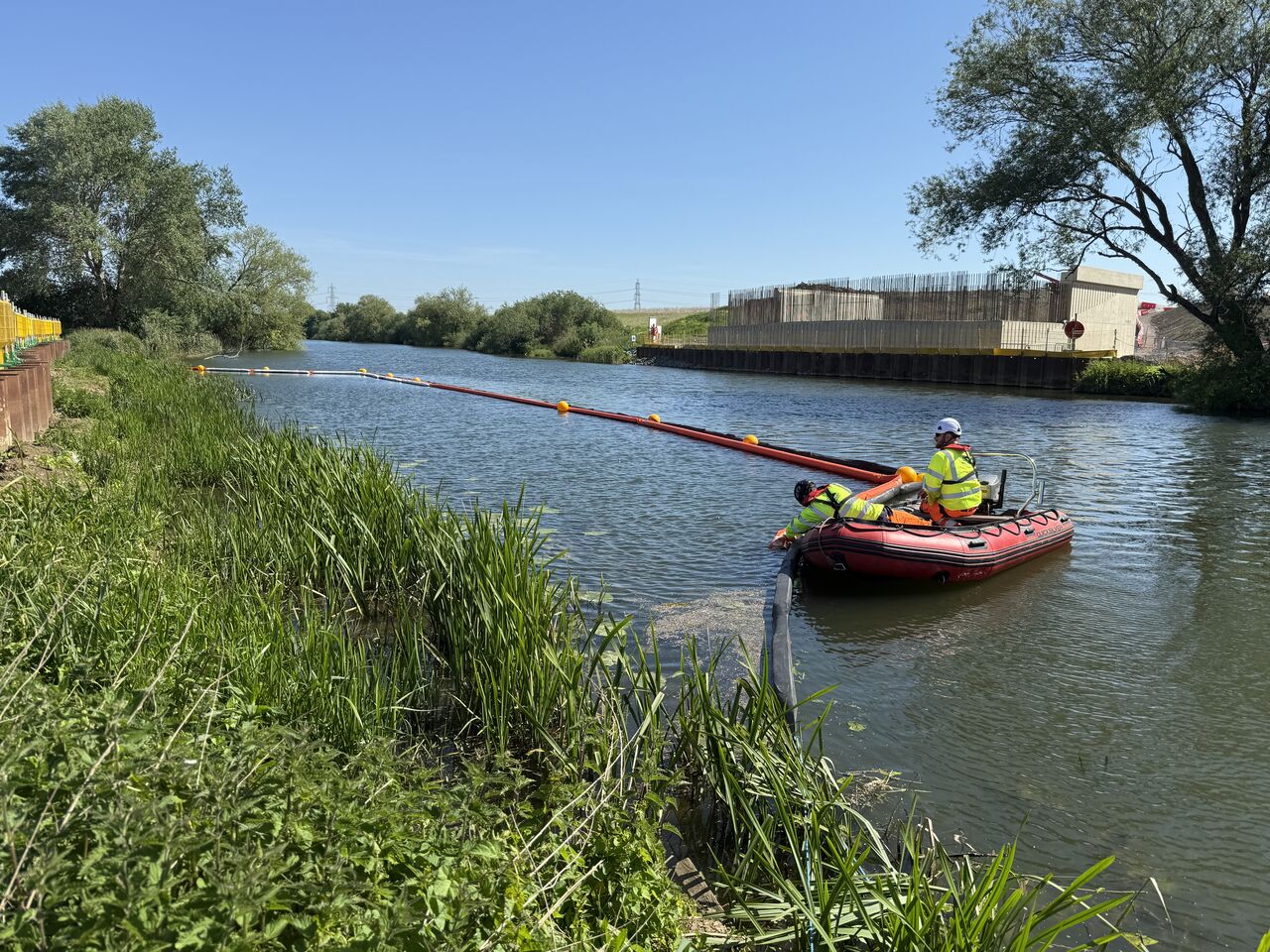
Installing a silt curtain and oil boom on the River Great Ouse

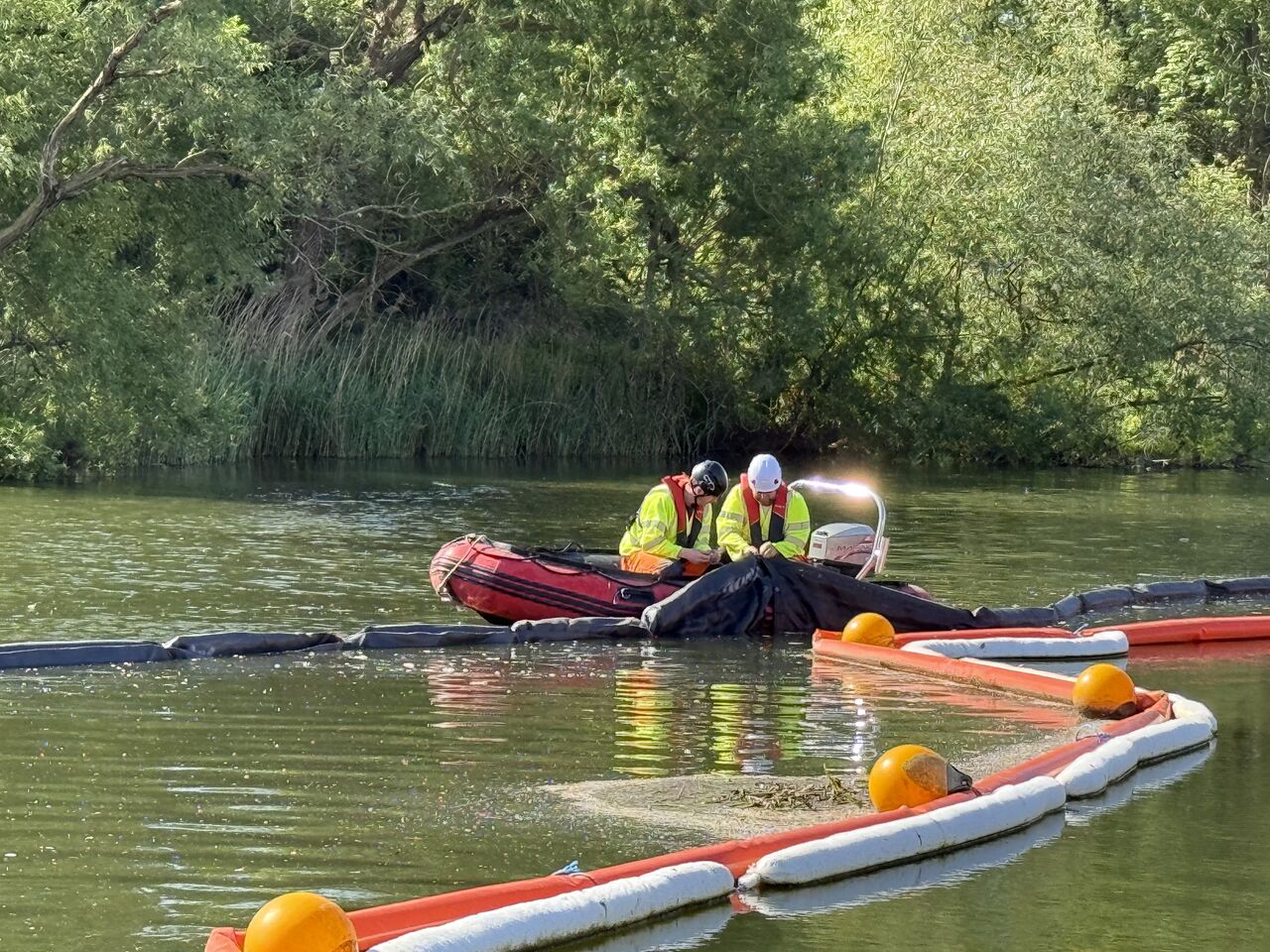
Great work from the team this week, installing a 60 m silt curtain and oil boom in the River Great Ouse ahead of works for a new bridge crossing.

EPS workboat setting out a floating boom along the River Great Ouse
Setting out the boom from the workboat

Why a silt curtain and oil boom?

Construction work in and next to a river can stir up sediment, and there’s always a risk of fuel or oil getting into the water from plant working nearby. Left unchecked, either can travel a long way downstream and harm fish and other wildlife.

  • The silt curtain hangs down into the water like a floating screen, holding back muddy water so the sediment settles within the works area instead of spreading downstream.
  • The oil boom floats on the surface and contains any fuel or oil before it can spread.

Together they protect water quality and the river beyond the site while the bridge works go ahead.

Getting it in place

Installing 60 m of barrier in a working river is a job for the boat. Our crew set out the curtain and boom from the workboat and fixed everything in position. Two things made a big difference:

  • Lower summer flows, which make the river easier and safer to work on
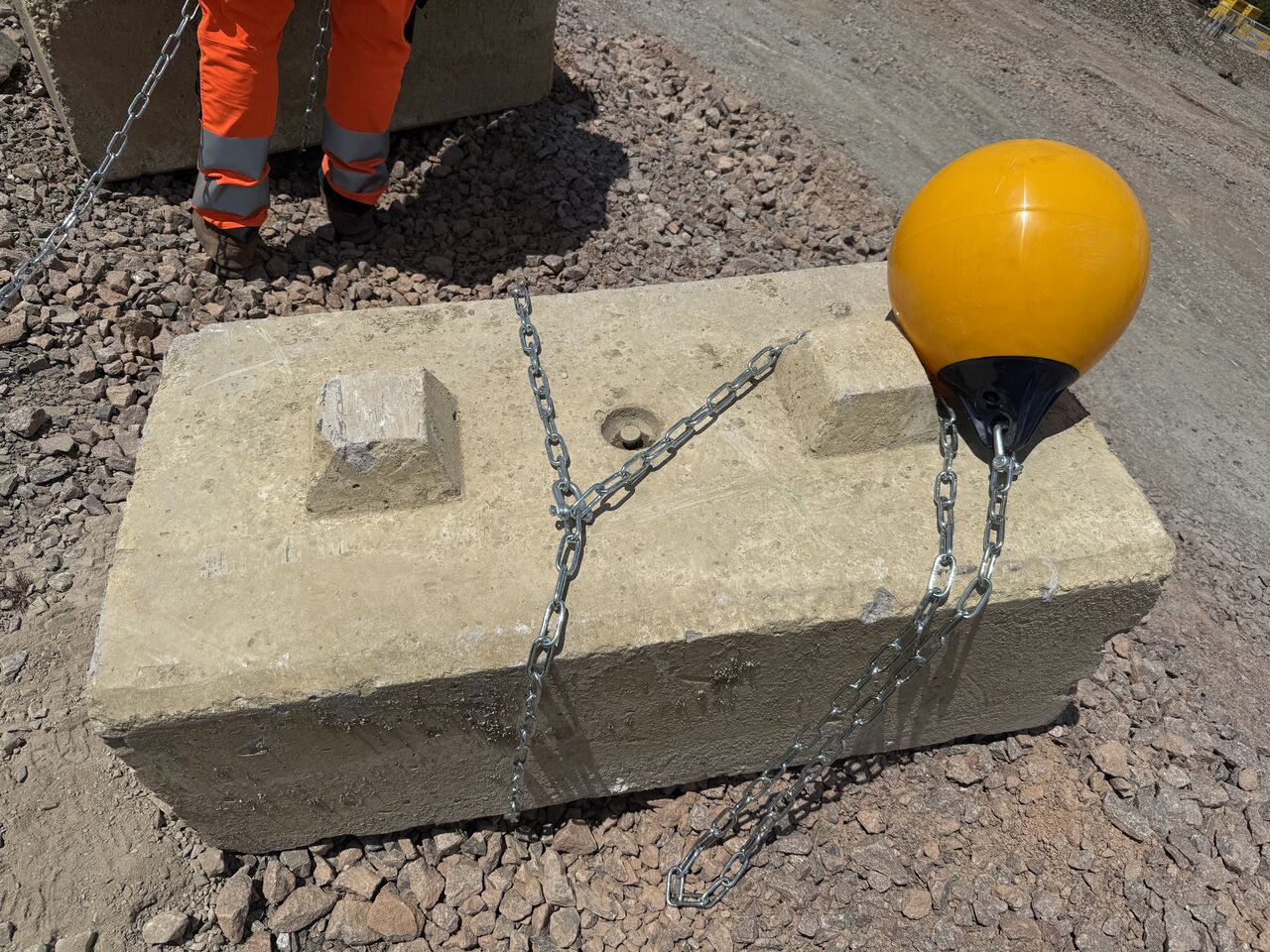
  • A 2 tonne concrete block, a giant Lego-style anchor that holds everything firmly in place
Two tonne concrete anchor block chained to a buoy, used to hold the silt curtain in place
The 2 tonne concrete block used to anchor everything in place
Two crew in an inflatable workboat fixing a silt curtain and oil boom in the river
Crew fixing the silt curtain and oil boom in position

Working on your river project

We provide safety boat and workboat support for construction, maintenance and survey work on rivers, canals, lakes and the coast, with RYA Powerboat Level 2 qualified, first aid trained crew. Where works also need ecology support, such as fish rescues during dewatering, we can cover both. Get in touch to talk through your project.

eDNA or hand search? Why we still get in the river for white-clawed crayfish surveys

eDNA has become a popular tool in ecological surveys, and it has its place. But it isn’t the silver bullet it’s sometimes made out to be, particularly in rivers.

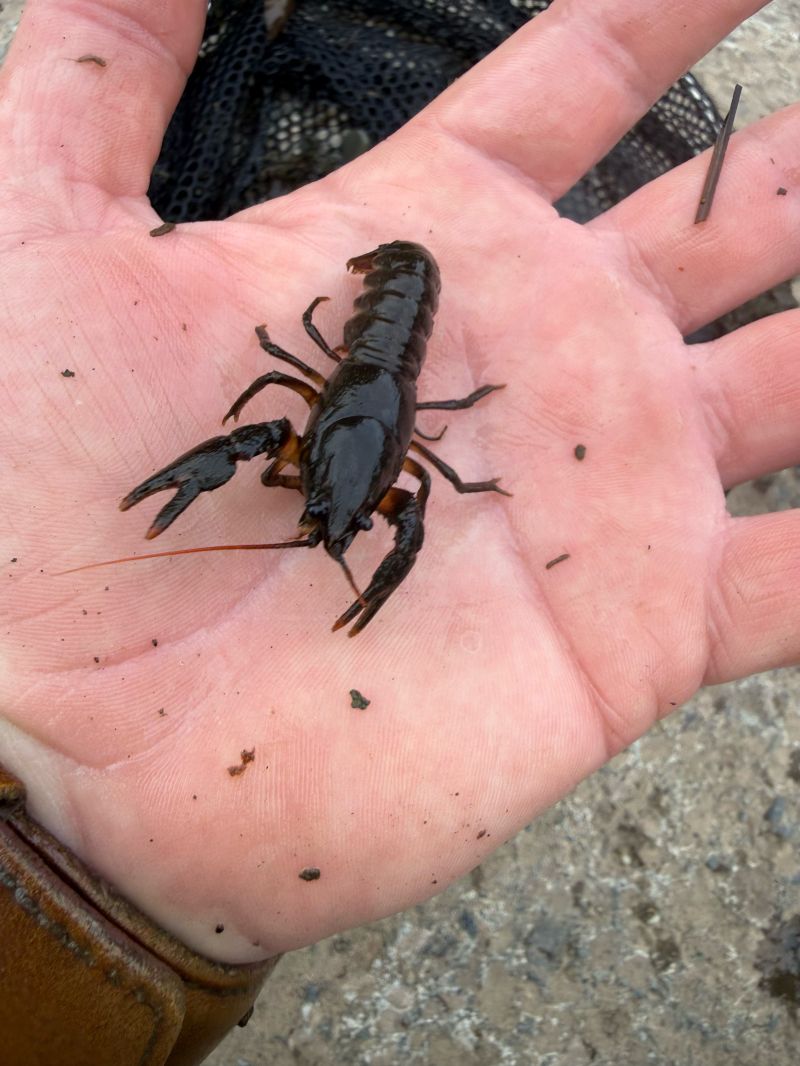
We recently carried out a white-clawed crayfish survey by hand search and found crayfish within the project area itself. That’s the information a planning decision actually needs: are they here, where exactly, and how will the works affect them?

Adult white-clawed crayfish held in the hand during a hand search survey
A white-clawed crayfish found during a hand search survey

The problem with eDNA in rivers

eDNA (environmental DNA) works by sampling the water for traces of DNA that animals shed into their surroundings. It’s a clever technique, but in a river there’s a basic limitation: water moves, and DNA drifts downstream with it.

A positive result tells you the species is somewhere in the catchment above your sampling point. It doesn’t tell you whether it’s in your works footprint, 50 metres upstream or a kilometre away. In a river, how do you know where the source is?

Sometimes the answer is obvious. When the Rivers Trust ran eDNA fish surveys on the River Irwell, the results showed tuna to be present. We think it’s safe to say the source on that one was a tin of John West.

Where eDNA works well

None of this means eDNA isn’t useful. It’s excellent for:

  • screening and scoping large areas quickly
  • checking whether a species is likely to be present in a catchment
  • flagging where to focus more detailed survey effort

Why hand searches still matter

For project-specific questions, the exact location of a species drives everything that follows: the impact assessment, the mitigation and any licensing. White-clawed crayfish are a protected and declining species, so getting that right matters for both the crayfish and the project programme.

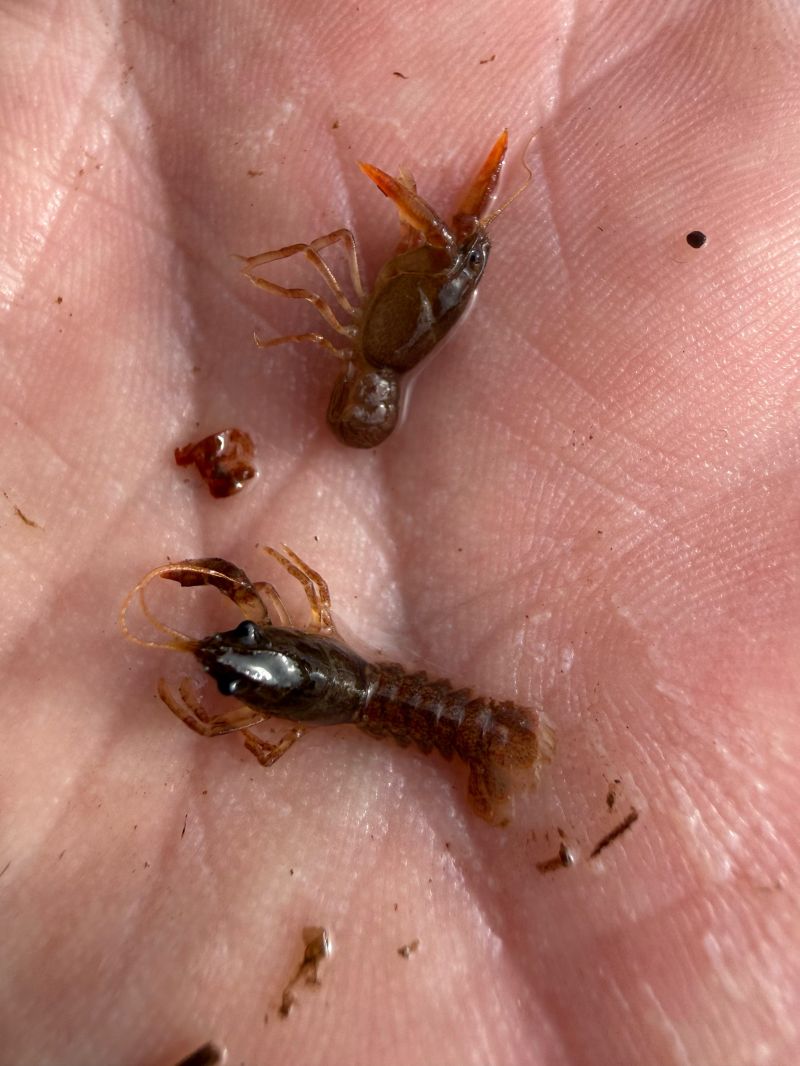
Two juvenile white-clawed crayfish in the palm of a hand
Juvenile white-clawed crayfish found within the project area

A licensed surveyor in the water can tell you exactly where crayfish are, how many there are and what habitat they’re using. That’s the detail you need to design mitigation that works and to avoid delays later on.

Need a white-clawed crayfish survey?

Our licensed ecologists carry out white-clawed crayfish surveys across most of the UK, alongside fish surveys and fish rescues for works in and around water. Get in touch and we’ll advise on the right approach for your site.