
Habitat Surveys
Habitat surveys in Manchester and across the UK
Habitat surveys are the starting point for most ecological work on a development site. They tell you what’s on your site, how valuable it is, and whether you’ll need any further surveys before you apply for planning permission.
Our ecologists carry out habitat surveys across most of the UK from our base in Manchester. Our reports are written for planning applications, Biodiversity Net Gain and discharging planning conditions.
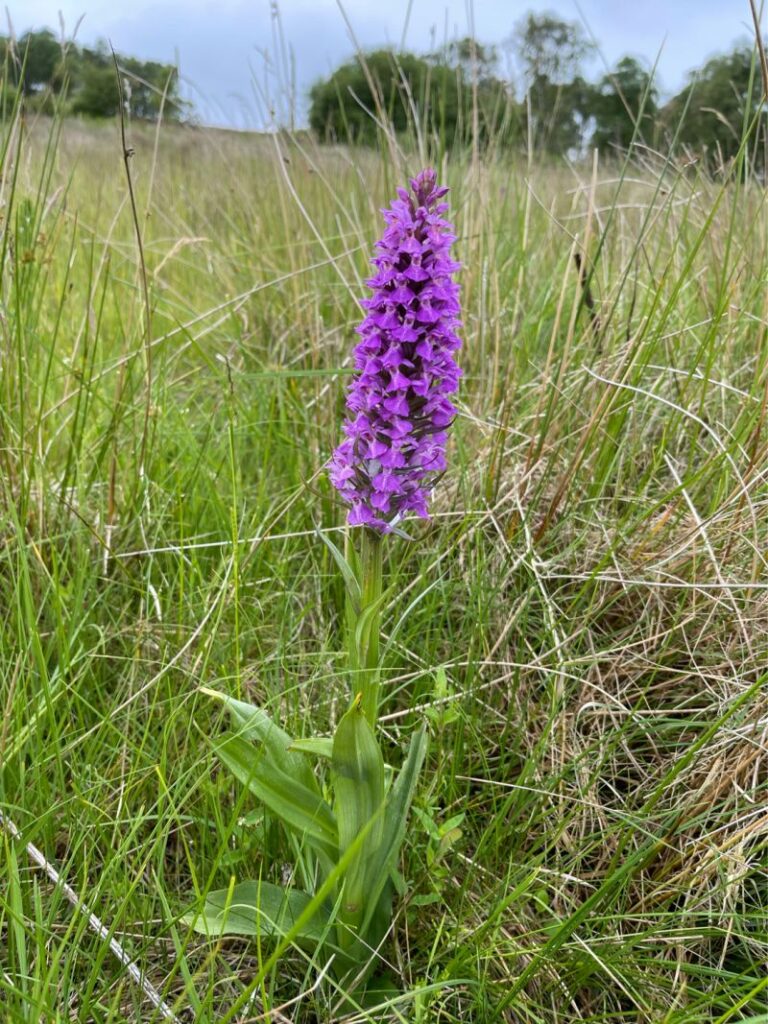
What is a habitat survey?
A habitat survey maps and describes the habitats on and around your site, from grassland and woodland to hedgerows, ponds and rivers. We record habitats using the UK Habitat Classification (UKHab), the system used by the statutory biodiversity metric, and note their condition and any features that could support protected or notable species.
The results show early on whether ecology could affect your scheme, what further surveys you might need, and how to plan your layout to avoid the most valuable habitats.
When is the best time for a habitat survey?
Habitat surveys are best done between April and September, when plants are growing and easier to identify. They can be carried out at other times of year, but some habitats are harder to assess outside the growing season. If that’s the case, we’ll tell you whether a return visit is needed.
Our habitat surveys
Preliminary Ecological Appraisal
Usually the first ecological survey for a development. We combine a desk study with a walkover habitat survey to tell you early on whether ecology could affect your scheme and what, if anything, needs to happen next.
Biodiversity Net Gain
We survey the habitats on your site and their condition, run the statutory biodiversity metric and show how your development can deliver the required gain.
River condition assessments
Where your site includes or sits next to a river or stream, we assess its condition using the MoRPh survey method. This feeds into the watercourse part of the biodiversity metric.
Invasive species surveys
We map invasive non-native plants such as Japanese knotweed, Himalayan balsam and giant hogweed, and advise on how to manage them so they don’t spread during works.
If habitats will be affected, we can also design mitigation to protect them.
Frequently asked questions
Do I need a habitat survey for my planning application?
If your site has vegetation, trees, hedgerows or water on or near it, the planning authority will often expect some form of ecological assessment, and a habitat survey is usually where that starts. Most developments in England also need to show Biodiversity Net Gain, which relies on a habitat survey.
What is the difference between a habitat survey and a PEA?
A habitat survey maps the habitats on your site. A Preliminary Ecological Appraisal combines that habitat survey with a desk study and an assessment of the potential for protected species, and recommends any further surveys you need.
What is UKHab?
The UK Habitat Classification (UKHab) is the standard system for recording habitats, and it is the one used by the statutory biodiversity metric. It has largely replaced the older Phase 1 habitat survey method.
Do you only work in Manchester?
No. We’re based in Manchester and carry out habitat surveys across most of the UK.
Get a quote
Send us the site address and a short description of the works, and we’ll come back to you with a quote.
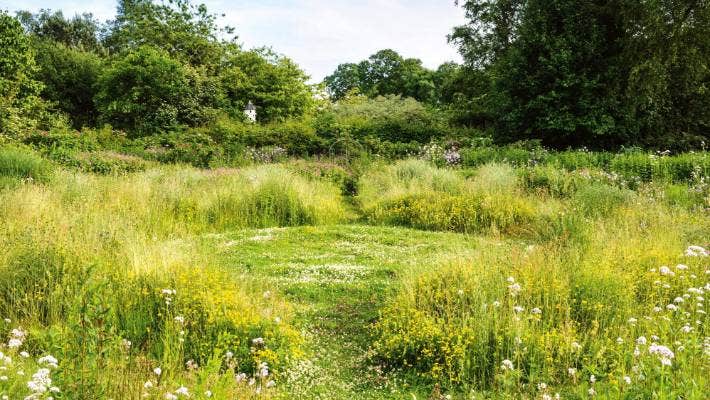
Preliminary Ecological Appraisal
The first ecological survey for most developments, combining a desk study with a walkover habitat survey.
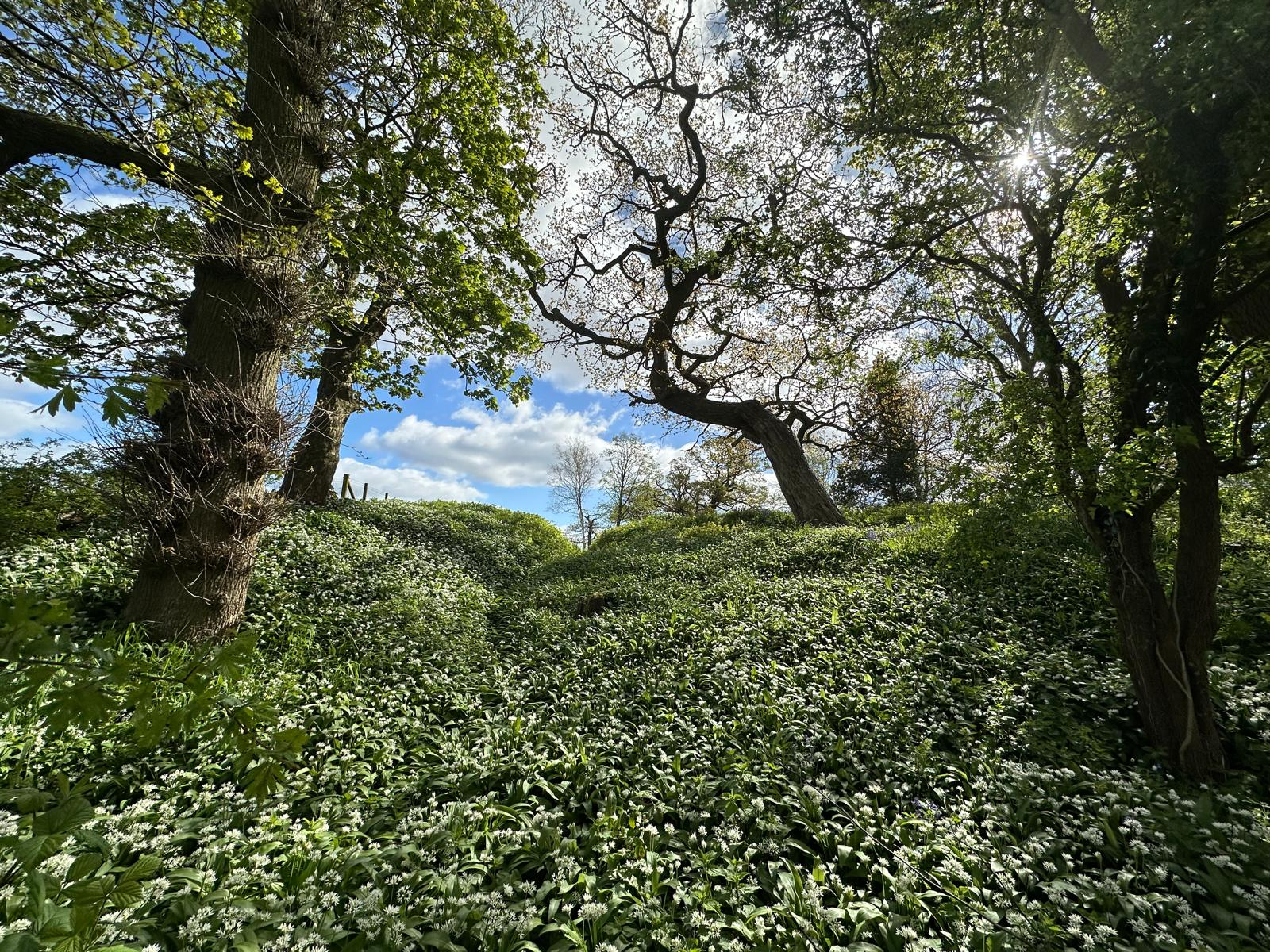
Biodiversity Net Gain
Habitat and condition surveys, the statutory metric and a clear plan for delivering the required gain.
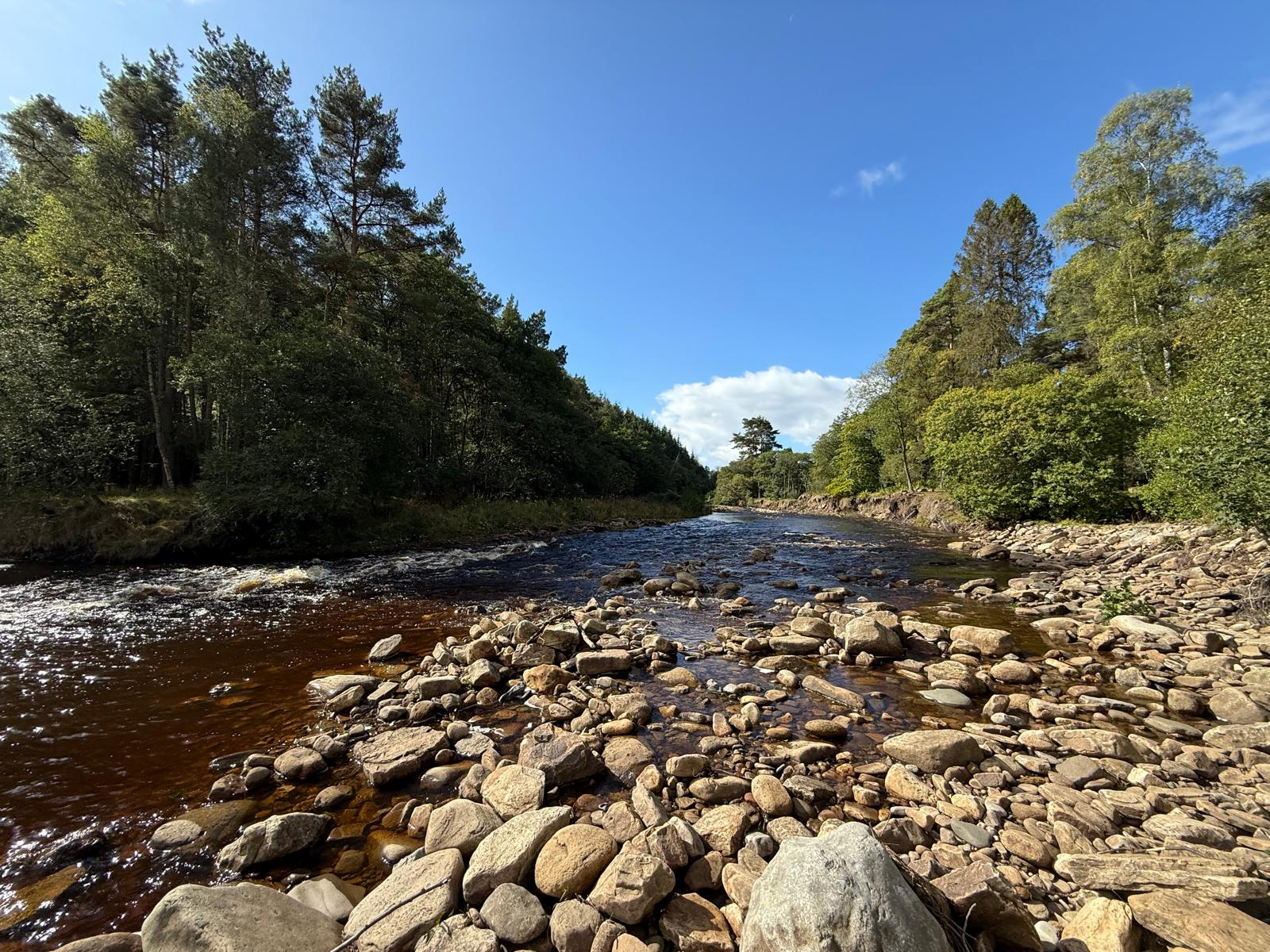
River Condition Assessments
MoRPh surveys of rivers and streams to support Biodiversity Net Gain and river projects.
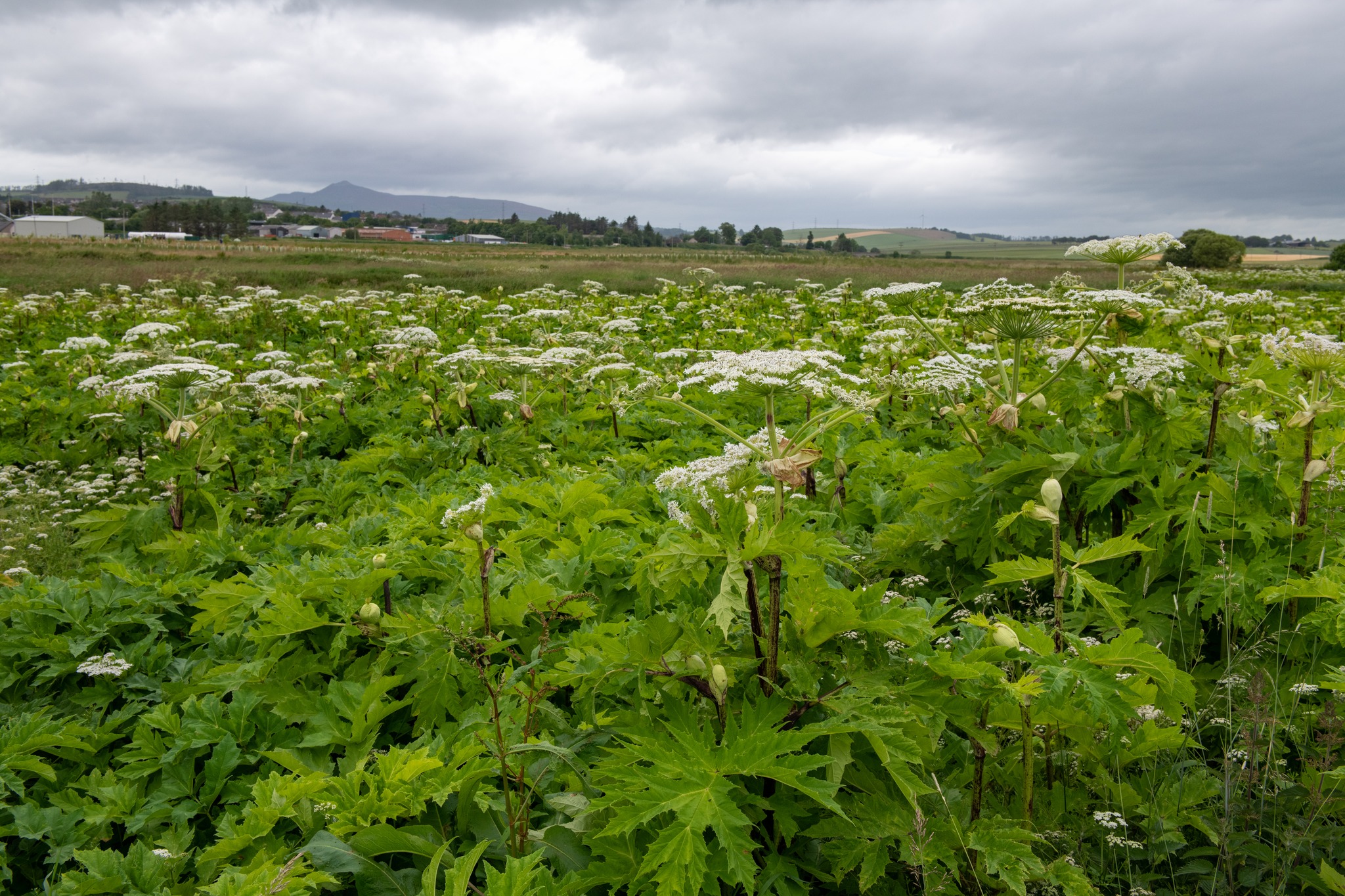
Invasive Species Surveys
Mapping invasive non-native plants and advice on stopping them spreading during works.
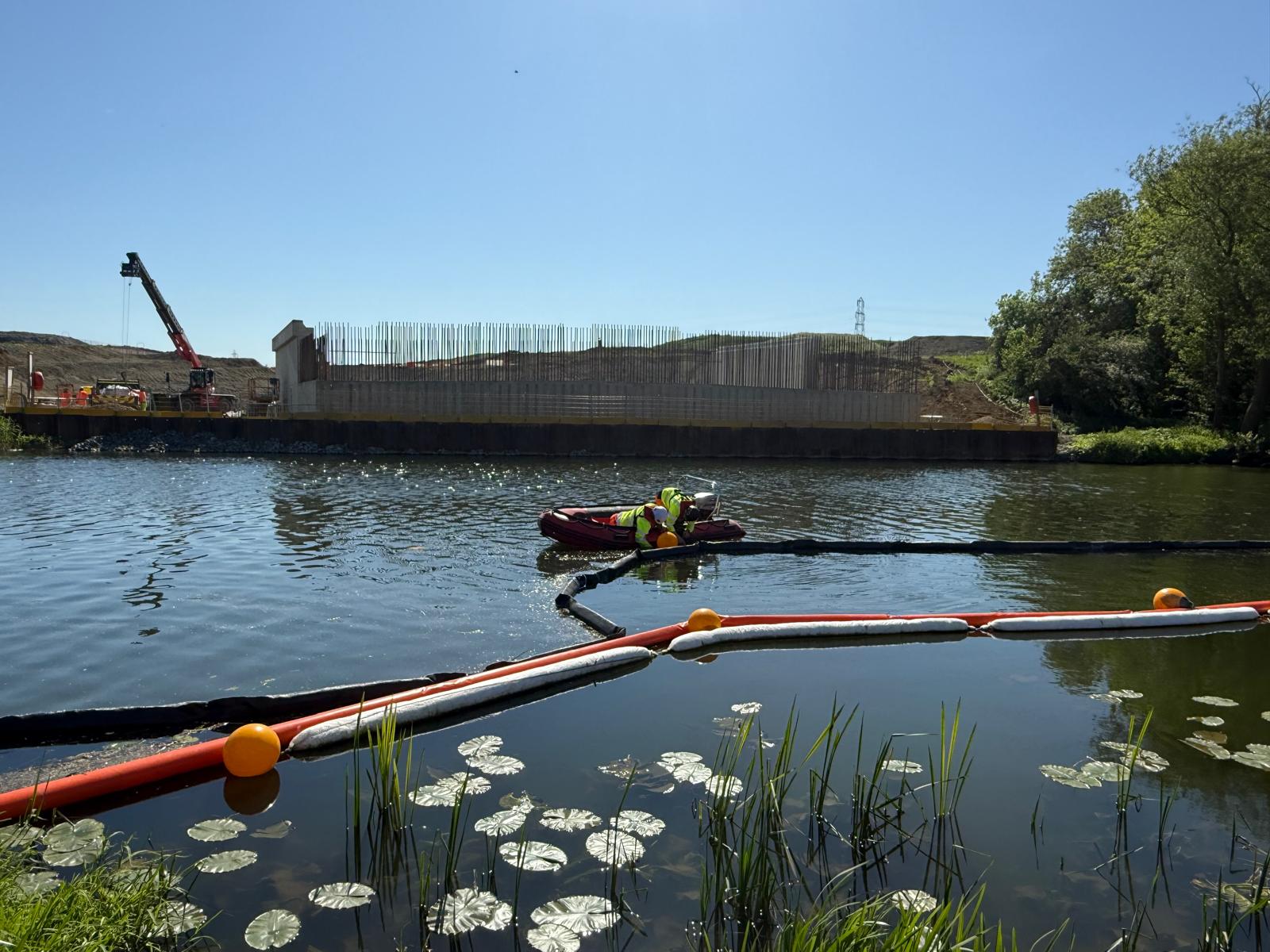
Mitigation
Practical mitigation and enhancement to protect habitats and keep your project moving.

Protected Species Surveys
Find out whether protected wildlife uses your site before works start.