Invasive plant surveys in Manchester and across the UK
Invasive plant surveys find, map and assess non-native plants that could affect your development, local wildlife or how the land is managed. Finding them early can save delays and unexpected costs later.
Our ecologists carry out invasive plant surveys across most of the UK from our base in Manchester. We record which species are present, how far they have spread and how dense they are, and give you practical recommendations for planning, construction and long-term management.
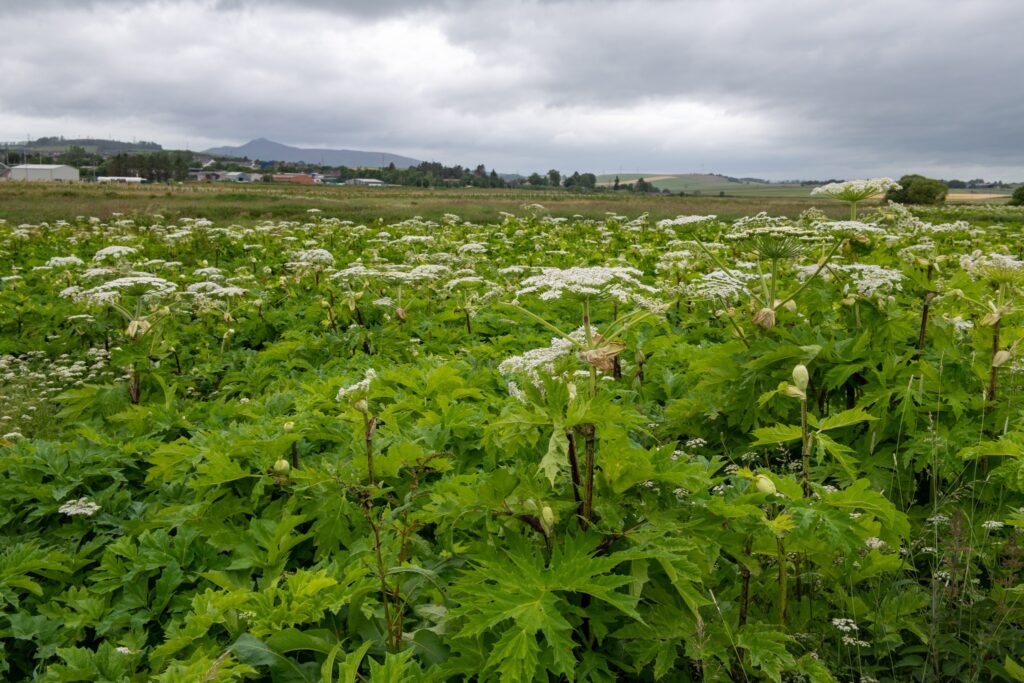
Japanese knotweed, Himalayan balsam and giant hogweed are the invasive plants most often found on development and land-management sites in the UK. We survey for these and the other invasive non-native plants listed under Schedule 9 of the Wildlife and Countryside Act 1981 (as amended). It is an offence to cause these plants to spread in the wild.
When can surveys be done?
Surveys are usually done during the growing season, from April to September, when the plants are easiest to find and identify accurately.
Not usually, but it needs to be properly managed. We’ll map it and recommend how to deal with it so it doesn’t hold up your project or spread off site.
Get a quote
Send us the site address and a short description of what’s planned, and we’ll come back to you with a quote.