Preliminary Ecological Appraisal
Preliminary Ecological Appraisals in Manchester and across the UK
A Preliminary Ecological Appraisal (PEA) is usually the first ecological survey for a development. It tells you early on whether there are habitats or protected species on or near your site that could affect your plans, and what you need to do about them before you submit a planning application.
We carry out PEAs across most of the UK from our base in Manchester for developers, architects, contractors, schools, councils and private landowners.

When do you need a PEA?
Most local planning authorities ask for ecological information with a planning application where a site has any natural features. You’re likely to need one if your site has:
- trees, hedges or scrub
- grassland, woodland or overgrown land
- ponds, ditches, streams or rivers on or near it
- buildings to be demolished or converted, especially older buildings or ones with roof voids
Getting the PEA done early is the best way to avoid delays. If further surveys are needed, some can only be done at certain times of year, so finding out in good time protects your planning timetable.
What’s included
Desk study
We search records from the local biological records centre and protected species groups for protected and notable species, and check for designated wildlife sites near your site.
Habitat survey
One of our ecologists walks the site and maps its habitats, plants, water features and boundaries. This used to be called a Phase 1 Habitat Survey. We now record habitats using the UK Habitat Classification, which means the same survey can feed straight into a Biodiversity Net Gain assessment.
Protected species assessment
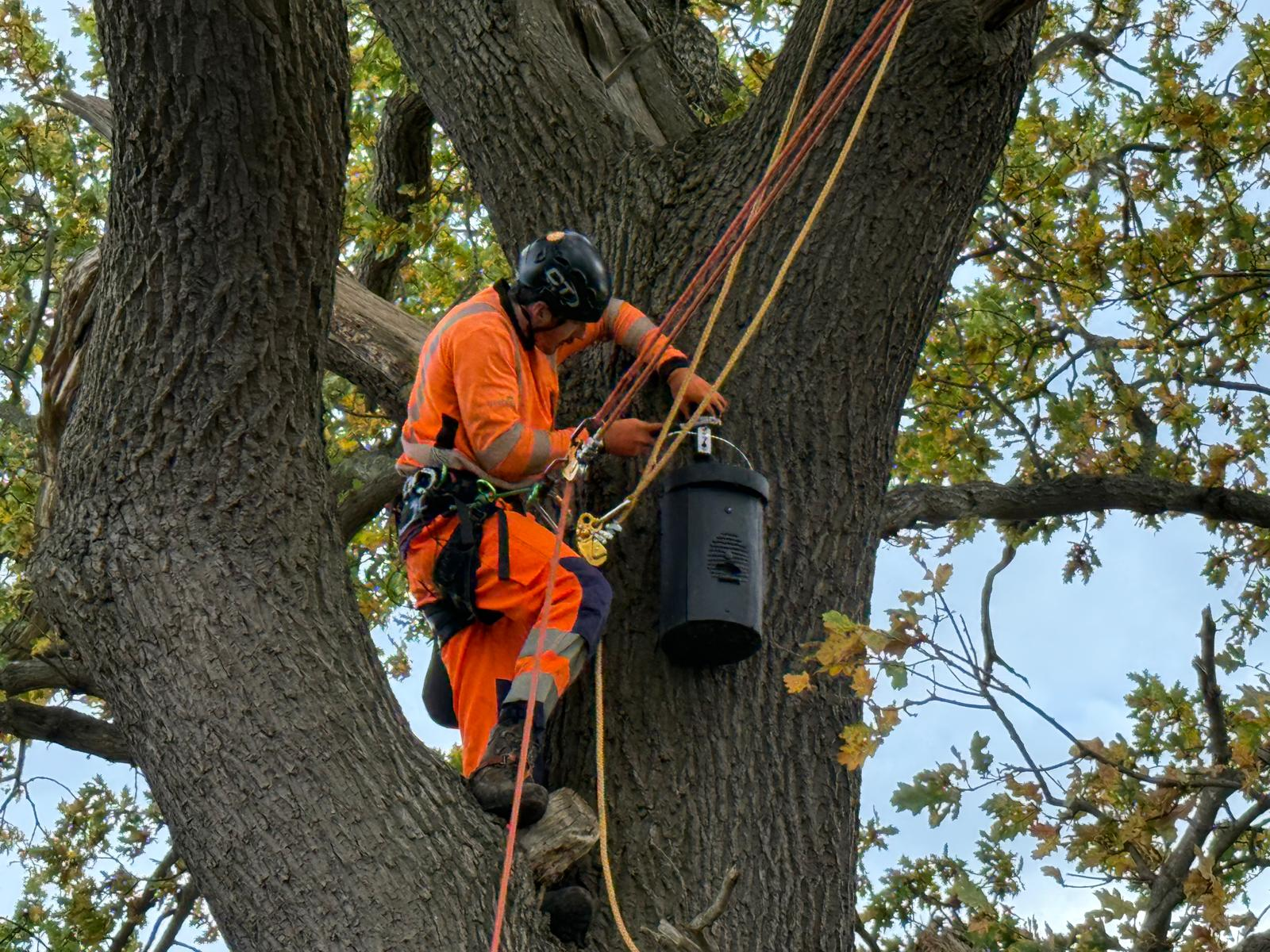
We look for signs of protected species and assess whether the site could support them, for example whether buildings or trees could hold roosting bats, or ponds could support great crested newts.
Your report
You get a clear report setting out what we found, any constraints, whether further surveys are needed, and recommendations for avoiding harm and improving the site for wildlife. It’s written to support your planning application.
Frequently asked questions
When can a PEA be done?
A PEA can be done at any time of year, but April to September is best, when plants are easier to identify and animals are active.
How long does it take?
Most sites need a single visit. We’ll give you a timescale for the report when we quote.
What if you find something?
We’ll explain what further surveys are needed, when they can be done and what they involve. We carry out most protected species surveys ourselves, so we can usually move straight on to them.
Do I need a PEA for Biodiversity Net Gain?
The habitat survey from a PEA gives the baseline for the biodiversity metric, so the two are often done together.
Get a quote
Send us the site address and a short description of what’s planned, and we’ll come back to you with a quote.
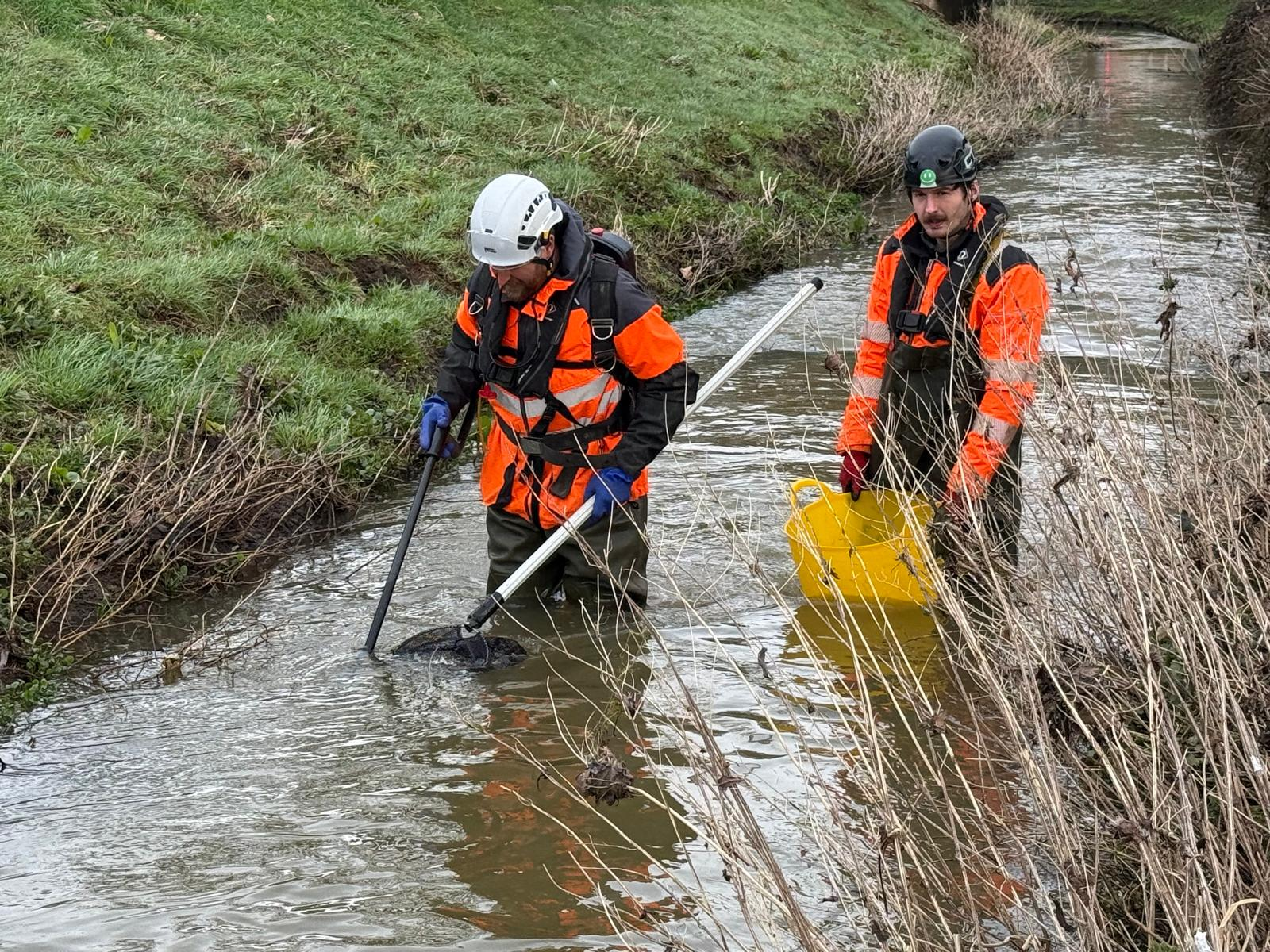
Fish Surveys and Fish Rescue
Safely capture and relocate fish before work to protect aquatic life and habitats.
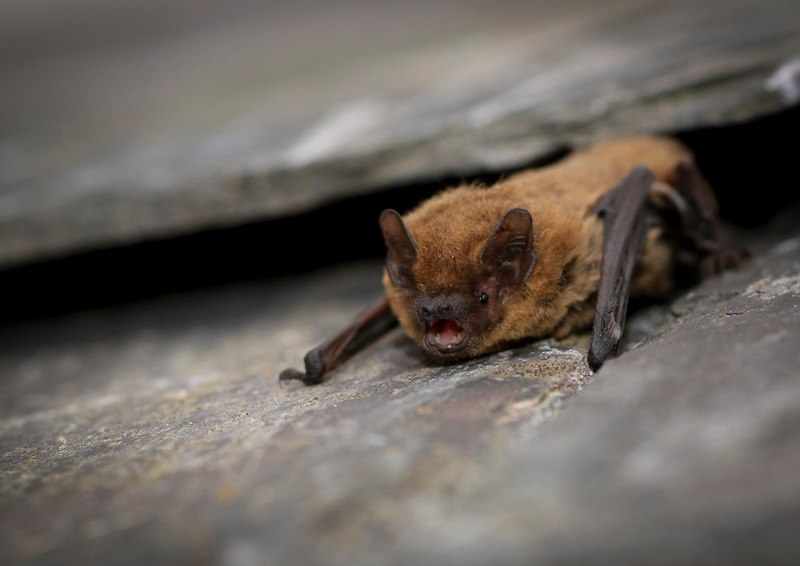
Protected Species Surveys
Find out whether protected wildlife uses your site before works start.
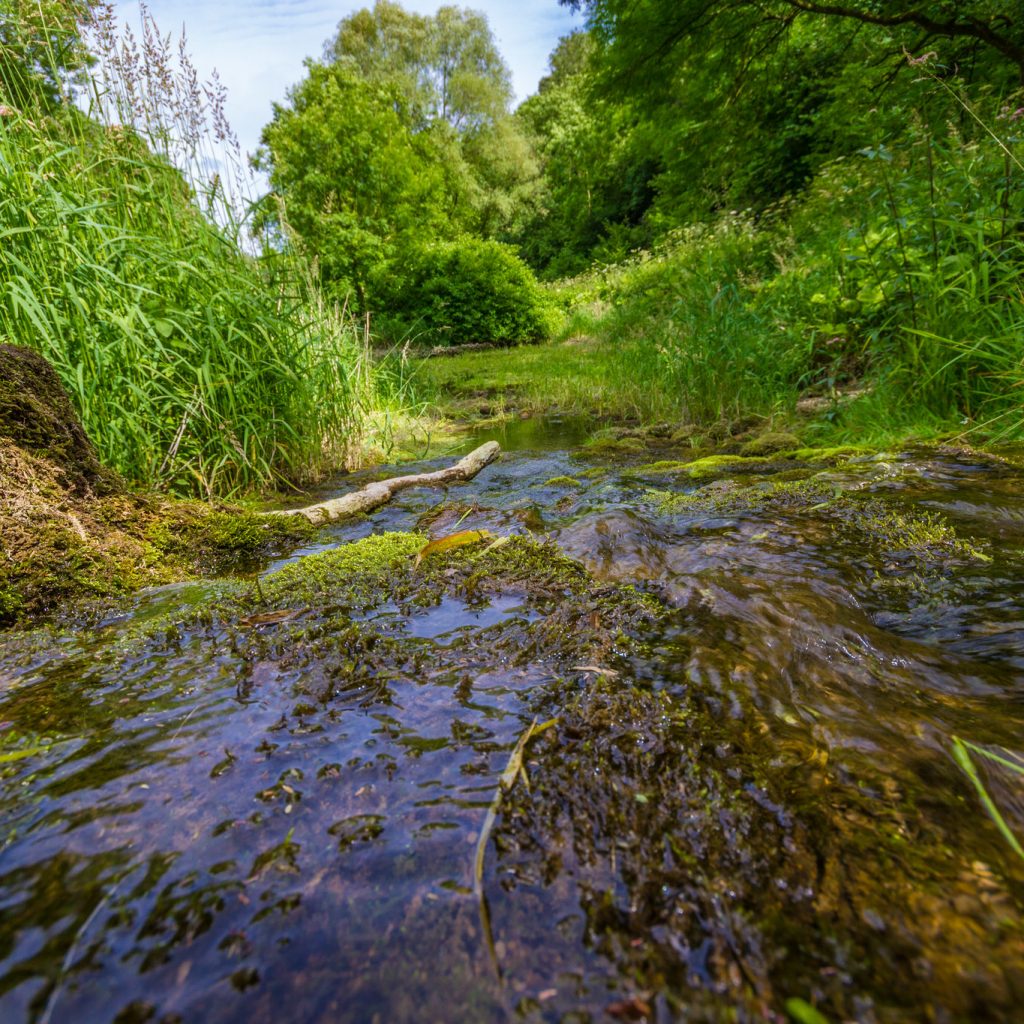
Biodiversity Net Gain
Quantify habitat losses and gains to secure an uplift in biodiversity.
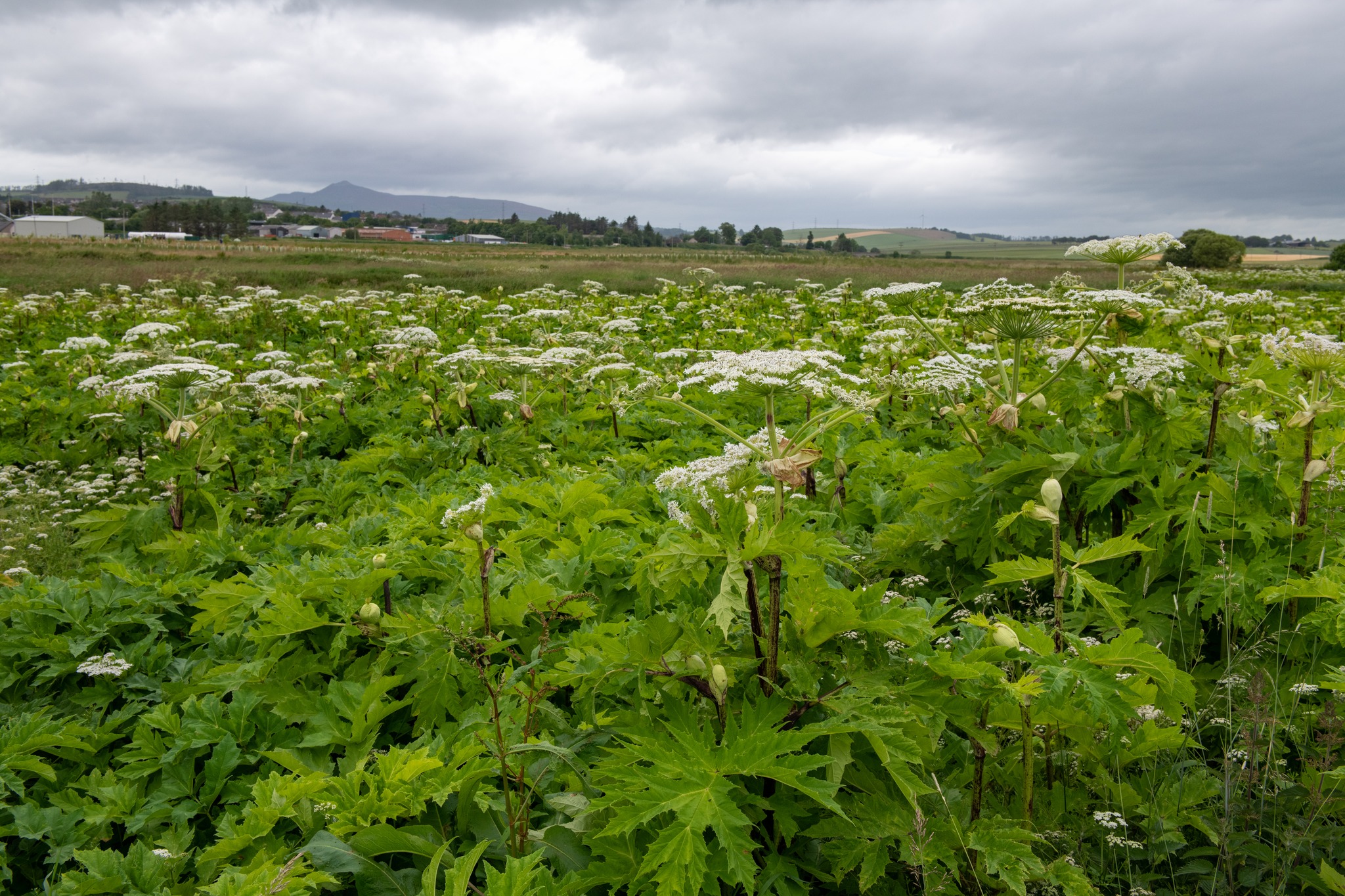
Invasive Species Surveys
Map and ID non‑native plants to guide land management & protect biodiversity.
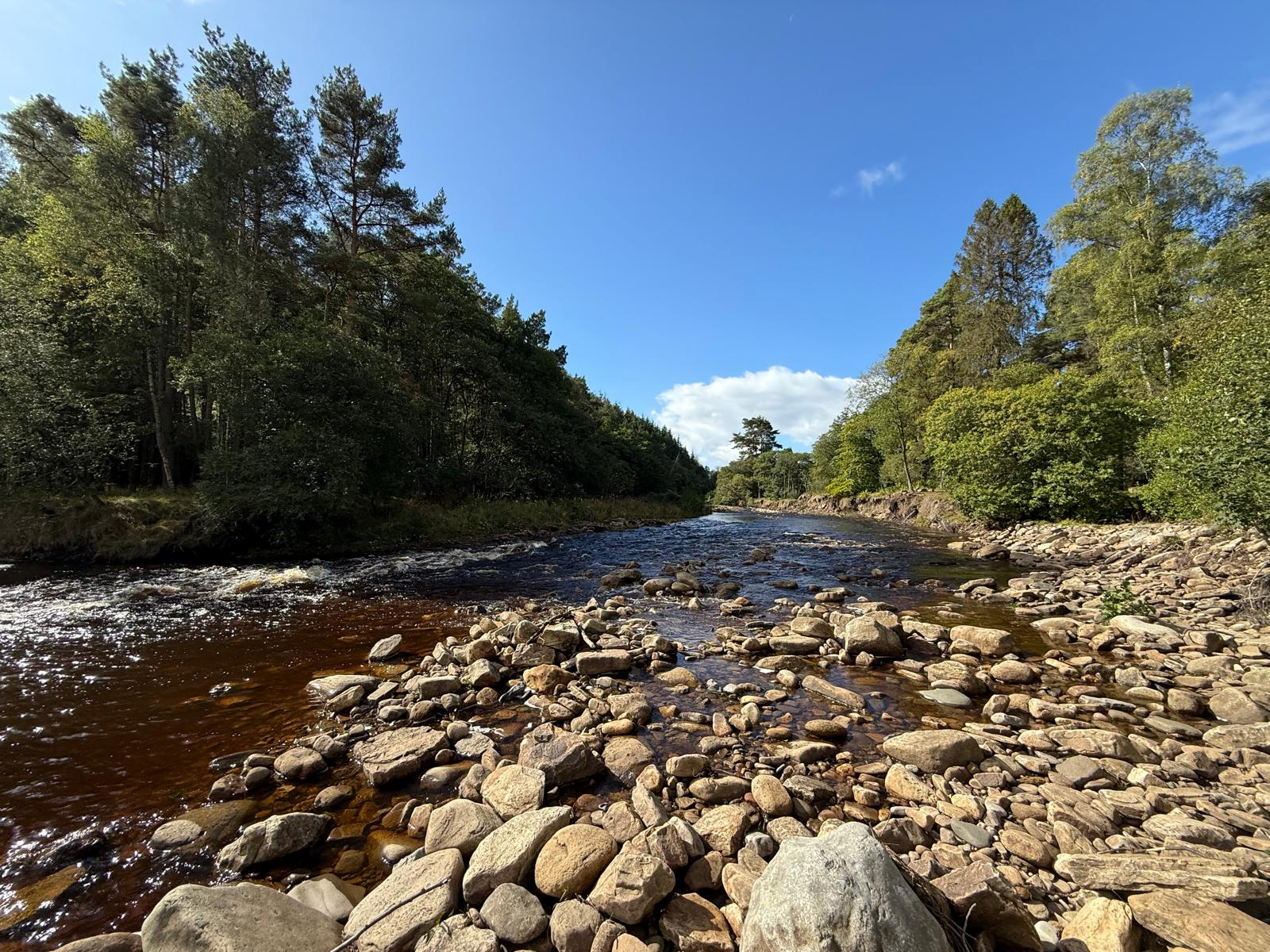
River Condition Assessments
Assess river habitat to understand condition and guide restoration.