Fish Rescue and Fish Relocation
UK fish rescue specialists
Fish rescue is one of EPS’s specialist services. We provide fish rescue, fish relocation and fish removal services before works in or near water. If works could strand or harm fish, we safely catch them, check them and move them to suitable habitat before the work goes ahead.
We’ve been carrying out fish rescues for over 15 years, at hundreds of locations across the UK, from culvert replacements on small streams to draining down ponds and lakes. We’re based in Manchester and cover Greater Manchester, the North West and the rest of the UK, travelling to sites wherever they are.

When do you need a fish rescue?
Any work that lowers water levels, blocks a channel or takes place in the water can strand, injure or kill fish. Common examples include:
- Dewatering or over-pumping a river channel
- Bridge, culvert and outfall works
- Canal and watercourse maintenance
- Pond, lake and reservoir drain-downs
- River restoration and weir removal
- Drainage and flood defence works
- Emergency repairs to pipes, banks and other infrastructure
Wild fish are protected by law, and environmental permits, Environment Agency consents and planning conditions often require a fish rescue before works start.
How our fish rescue and relocation service works
- Site visit and planning. We look at the watercourse, the fish likely to be present, water levels, access and where fish can be safely released. Then we agree a method and timings with you.
- Permissions. In England, using electric fishing gear or nets in inland waters needs written authorisation from the Environment Agency. We apply on your behalf and have done this for hundreds of jobs. Wales and Scotland have their own rules. Wherever your site is, we’ll tell you early what’s needed so it doesn’t hold up your programme.
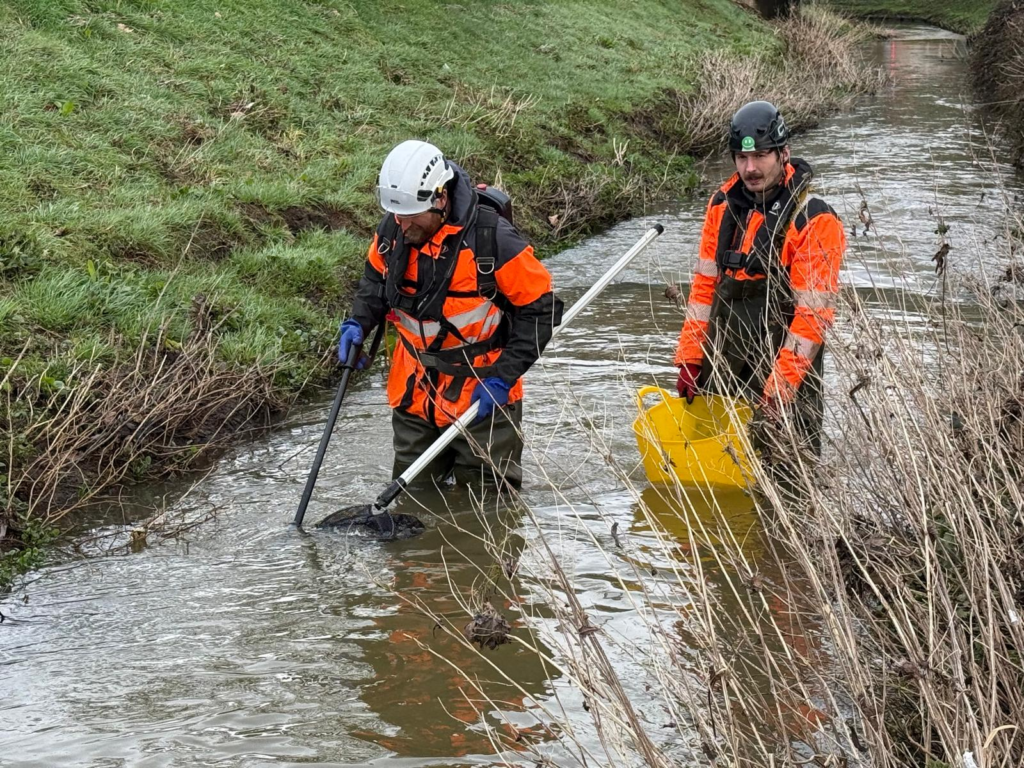
- Catching the fish. We use electric fishing, seine netting and hand netting, working alongside your contractor as the water is drawn down.
- Holding and release. Fish are kept in aerated containers, checked, counted and moved quickly to suitable habitat nearby.
- Biosecurity. We follow Check, Clean, Dry procedures so we don’t spread invasive species or diseases such as crayfish plague between watercourses.
- Reporting. You get a short report listing the species, numbers and sizes of fish moved, ready to pass to the Environment Agency or your client.
Working with your programme
We work alongside your contractor’s dewatering or over-pumping and stay on site as the water drops, so fish are caught before they’re stranded. If water gets back into the works area, we can come back and check it again. We’ll also advise on timing, as some times of year, such as spawning seasons, are more sensitive.
If the works also need rescue cover on the water, we provide safety boat services with RYA-qualified, first aid trained crew, so one team can cover both.


Fish surveys
We also carry out fish surveys, using electric fishing and netting, for planning, EIA, Water Framework Directive assessments, monitoring and fishery management. More about our fish surveys.
Protected and notable species
During rescues and surveys we often come across protected and notable species, including European eel, Atlantic salmon and trout, bullhead, lamprey and white-clawed crayfish. We also record invasive species such as signal crayfish and advise on how to deal with them.
Who we work with
- Property developers
- Civil engineering contractors working in and around water
- Utilities and water companies
- Infrastructure and transport projects
- Renewable energy developments
- Local authorities and public sector schemes
- Environmental organisations and river restoration projects
- Private landowners, estates and fisheries
Frequently asked questions
Do I need a fish rescue before dewatering?
If there’s any chance fish are in the water you’re draining or isolating, you almost certainly will. Your environmental permit or Environment Agency consent may already require one. If you’re not sure, send us the details and we’ll advise.
Do I need Environment Agency permission for a fish rescue?
Using electric fishing gear or nets in inland waters in England needs written authorisation from the Environment Agency. We apply for this on your behalf, so you don’t need to deal with it yourself.
How much notice do you need?
The sooner you get in touch the better, but don’t worry if your works are coming up soon. We handle the Environment Agency applications for you and know the process well, so we can usually fit in with your programme, including at short notice and for emergency works.
What happens to the fish?
They’re held in aerated containers, checked, counted and released into suitable habitat nearby, usually upstream or downstream of the works.
How long does a fish rescue take?
Most small sites take a day or less. Larger drain-downs and long stretches of channel can take several days and are usually phased with the pumping.
Where do you work?
All over the UK, including Greater Manchester and the North West. We’re based in Manchester and travel to fish rescues wherever the works are. See also fish rescue in Manchester and the North West.
Planning works in or near water?
Send us the location and a short description of the works and we’ll come back to you with a quote.
Preliminary Ecological Appraisal
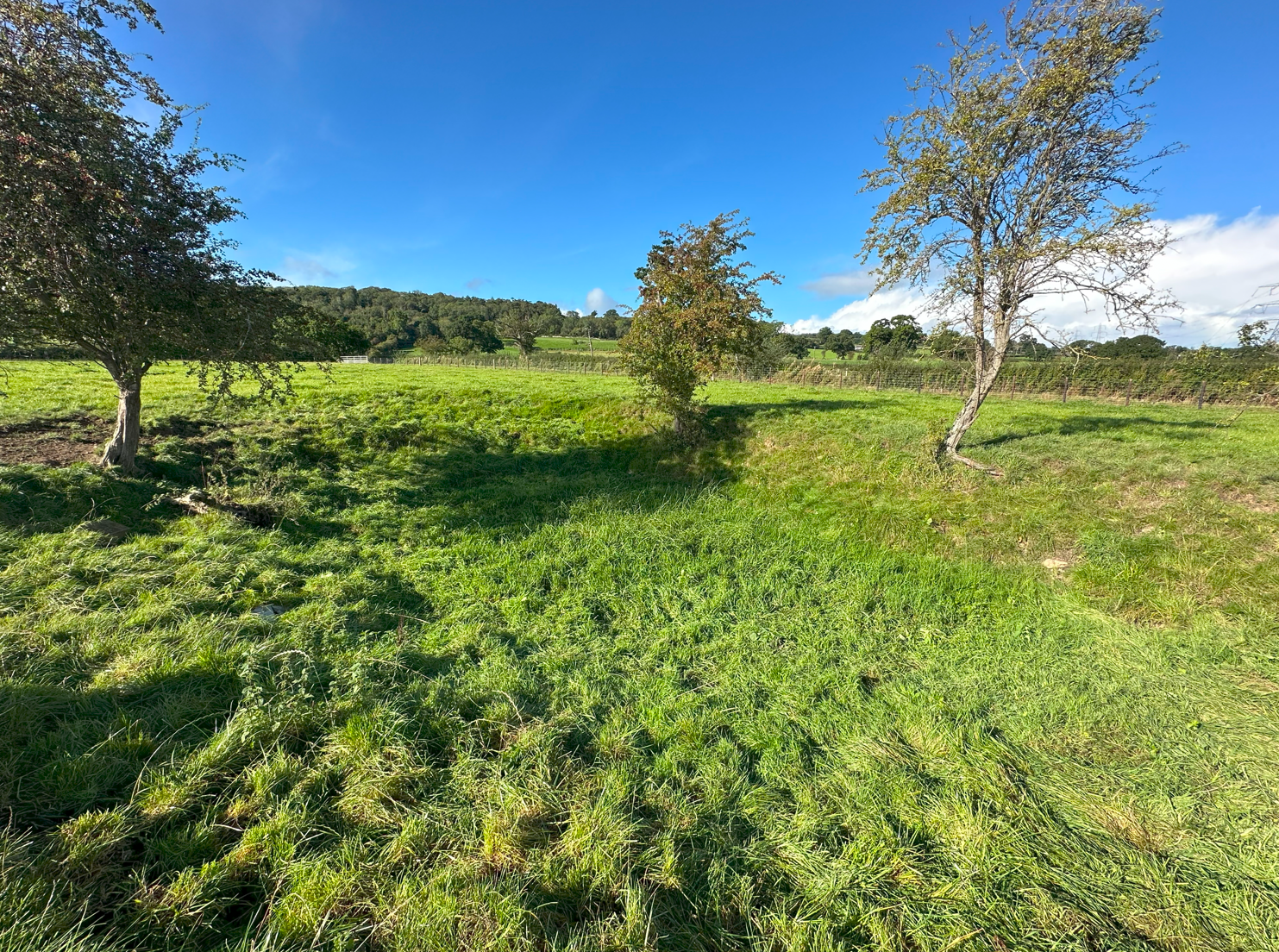
PEAs rapidly assess a site’s habitats and species to flag ecological issues early.
Protected Species Surveys
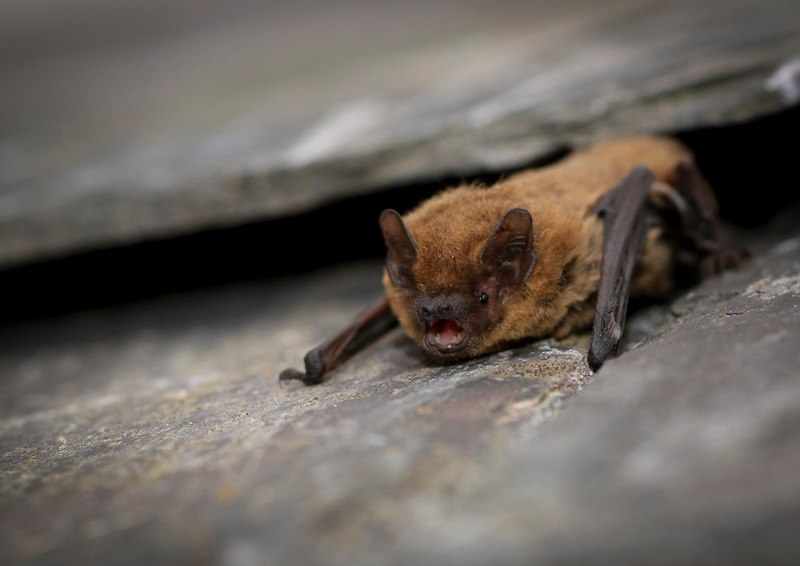
Find out whether protected wildlife uses your site before works start.
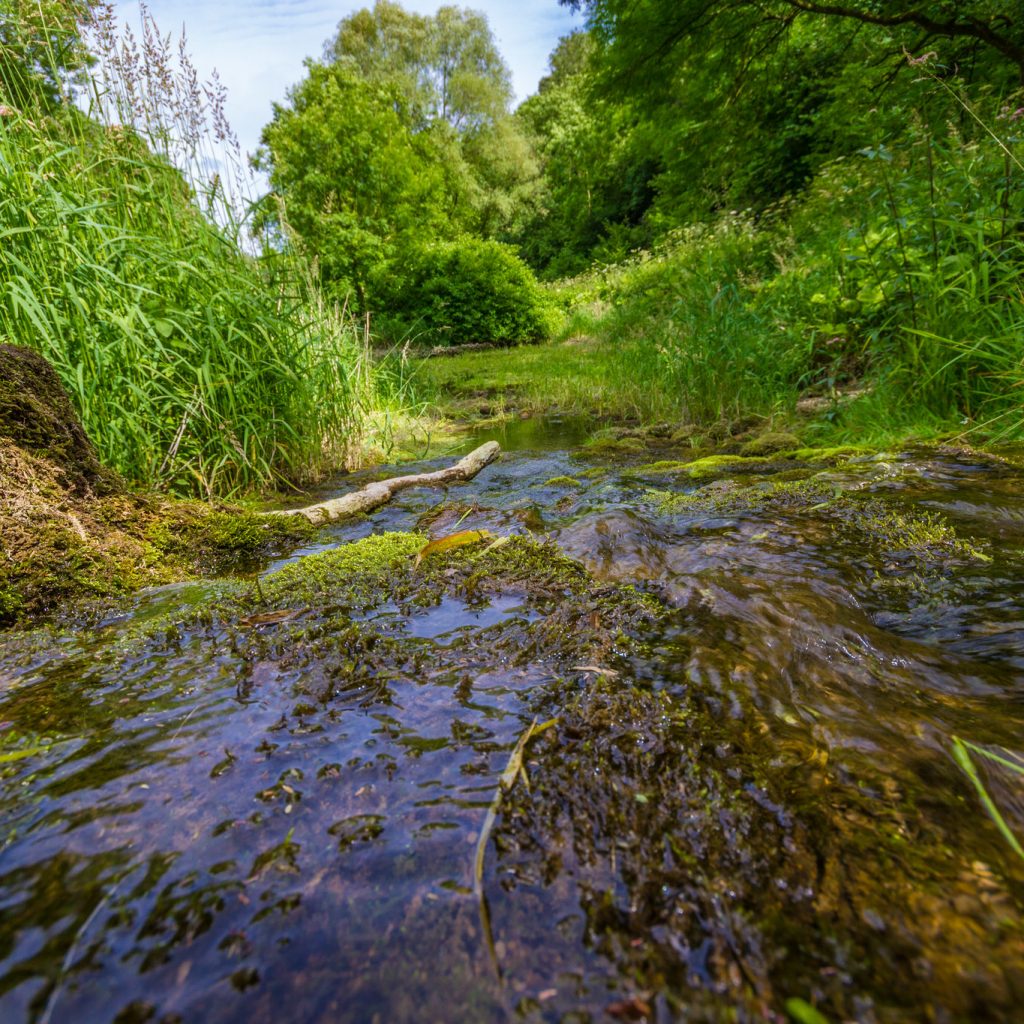
Biodiversity Net Gain
Quantify habitat losses and gains to secure an uplift in biodiversity.
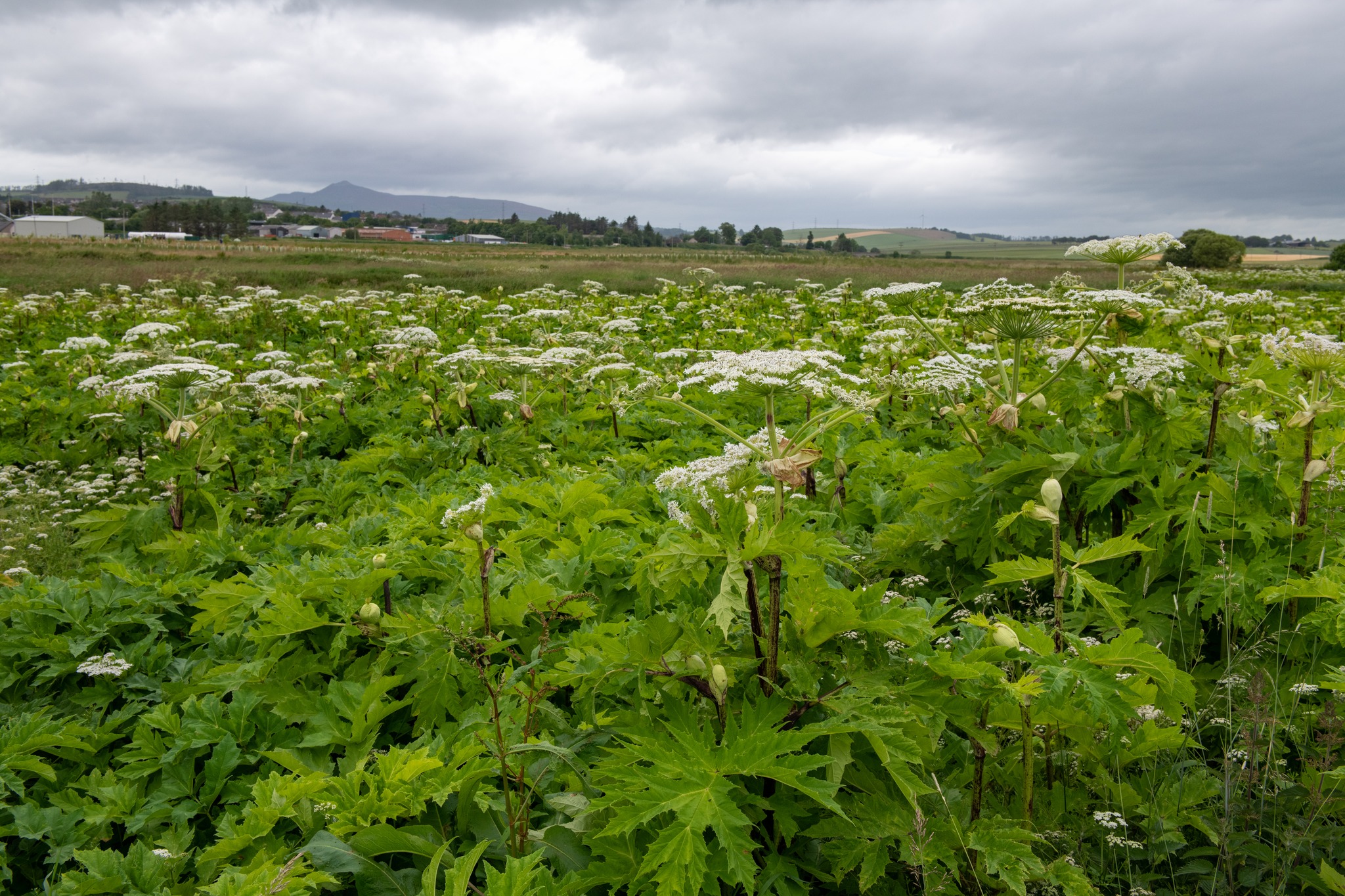
Invasive Species Surveys
Map and ID non‑native plants to guide land management & protect biodiversity.
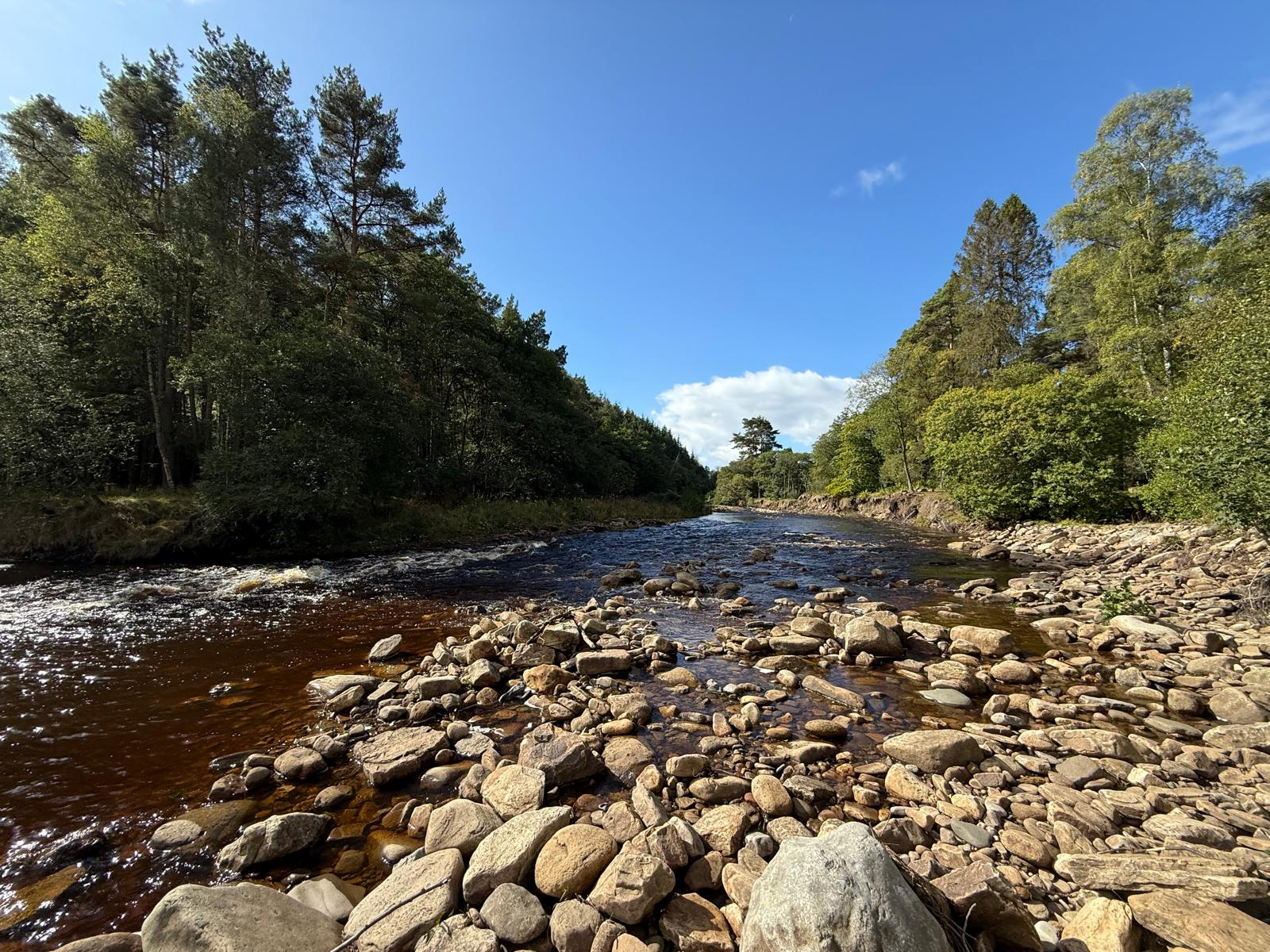
River Condition Assessments
Assess river habitat to understand condition and guide restoration.