Biodiversity Net Gain
Biodiversity Net Gain consultants in Manchester and across the UK
Most new developments in England now have to deliver at least a 10% gain in biodiversity, measured using the statutory biodiversity metric. We help you work out what your site needs, design a way to deliver it, and produce the documents the planning authority will ask for.
We work with developers, architects, schools, councils and landowners across most of the UK from our base in Manchester, from small residential sites to larger schemes. That includes sites right across Greater Manchester, where we can usually get to you at short notice.
How we can help
Baseline habitat survey
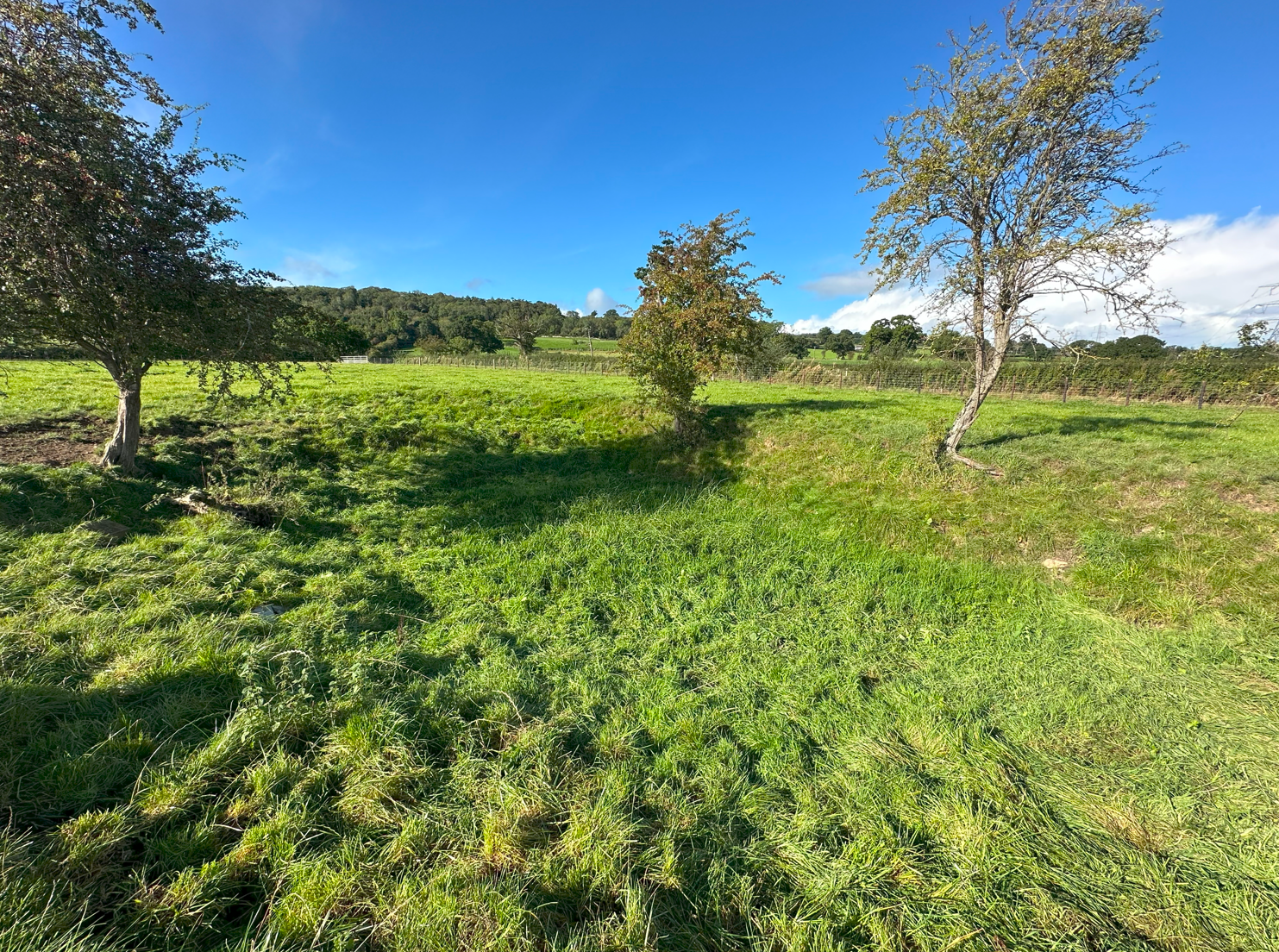
We survey the site and record each habitat and its condition using the UK Habitat Classification. This gives the starting value of your site in biodiversity units.
Metric calculations
We run the statutory biodiversity metric for your existing site and your proposed landscaping, so you can see early on whether your scheme reaches the 10% gain and where it falls short.
Design advice
We work with your architect or landscape designer to find the best way to reach the gain on site, for example by choosing habitats and planting that score well and suit the site.
Biodiversity Gain Plans
We prepare the Biodiversity Gain Plan for your planning application or for discharging the biodiversity gain condition.
Habitat Management and Monitoring Plans (HMMPs)
Where habitats need to be created or improved, the planning authority will usually ask for an HMMP. It sets out how the habitats will be created, managed and monitored for at least 30 years, and who is responsible. We write HMMPs and can carry out the monitoring surveys and reports that follow.
Frequently asked questions
Does my development need BNG?
Most major developments have needed it since February 2024, and most small sites since April 2024. Some developments are exempt, including householder applications and developments that affect less than 25 square metres of habitat. From 6 August 2026, sites of 0.2 hectares or less (measured within the red line boundary) are also exempt, as long as they don’t affect a priority habitat on the site. Send us your plans and we’ll tell you whether BNG applies.
What if we can't reach 10% on site?
You can make up the difference with off-site habitat, for example by buying units from a habitat bank. Statutory credits are a last resort. We’ll talk you through the options.
When should we get a BNG assessment?
As early as possible, ideally before the site layout is fixed. It’s much easier and cheaper to design the gain in than to find it later. The habitat survey is often done alongside a Preliminary Ecological Appraisal.
Get a quote
Send us the site address and your site plans, and we’ll come back to you with a quote for the BNG work you need.
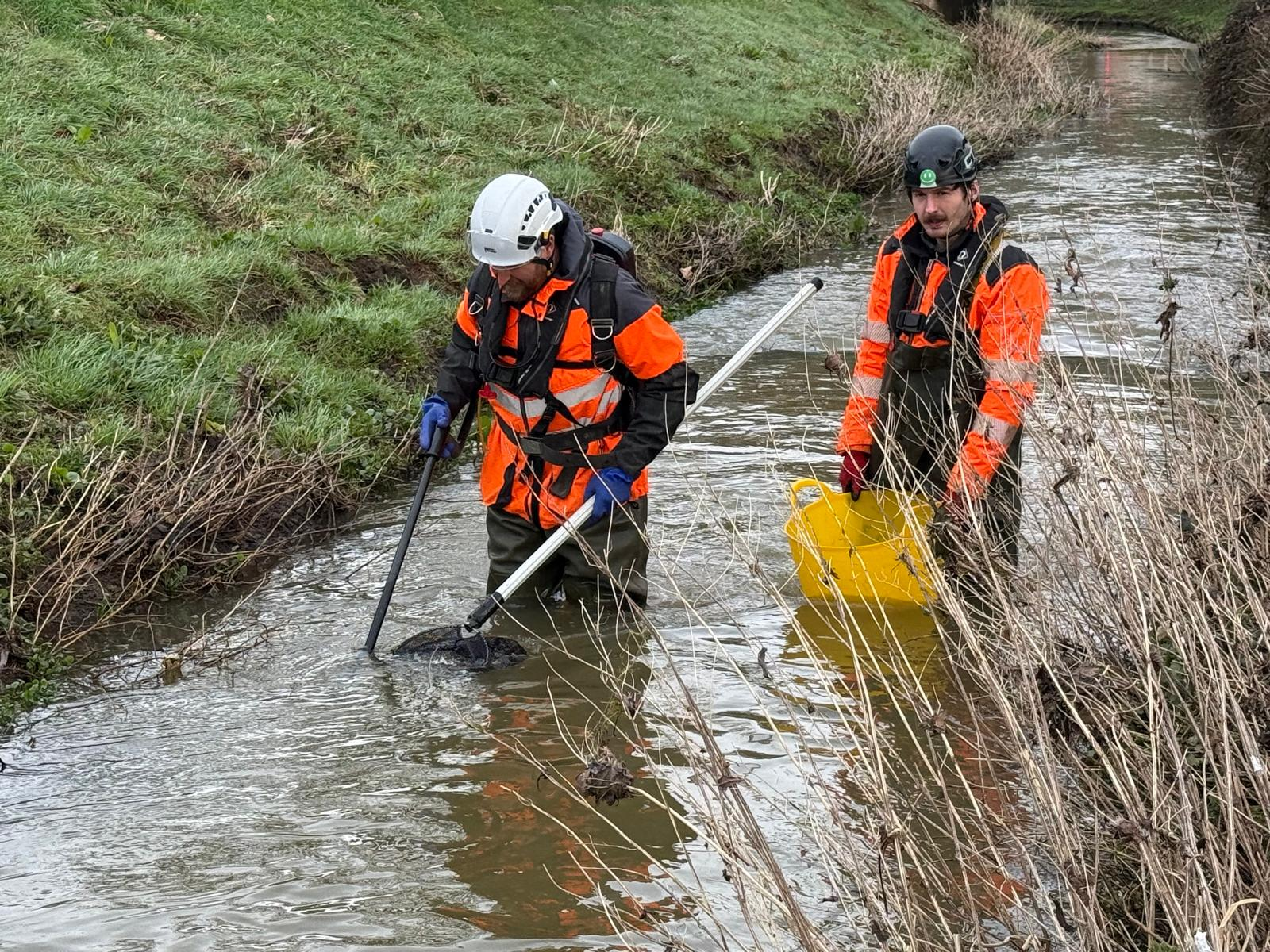
Safely capture and relocate fish before work to protect aquatic life and habitats.
Protected Species Surveys
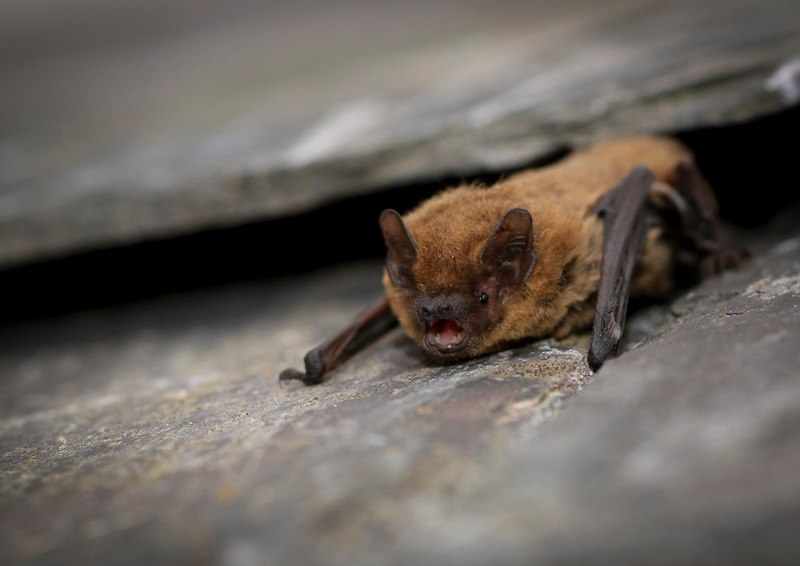
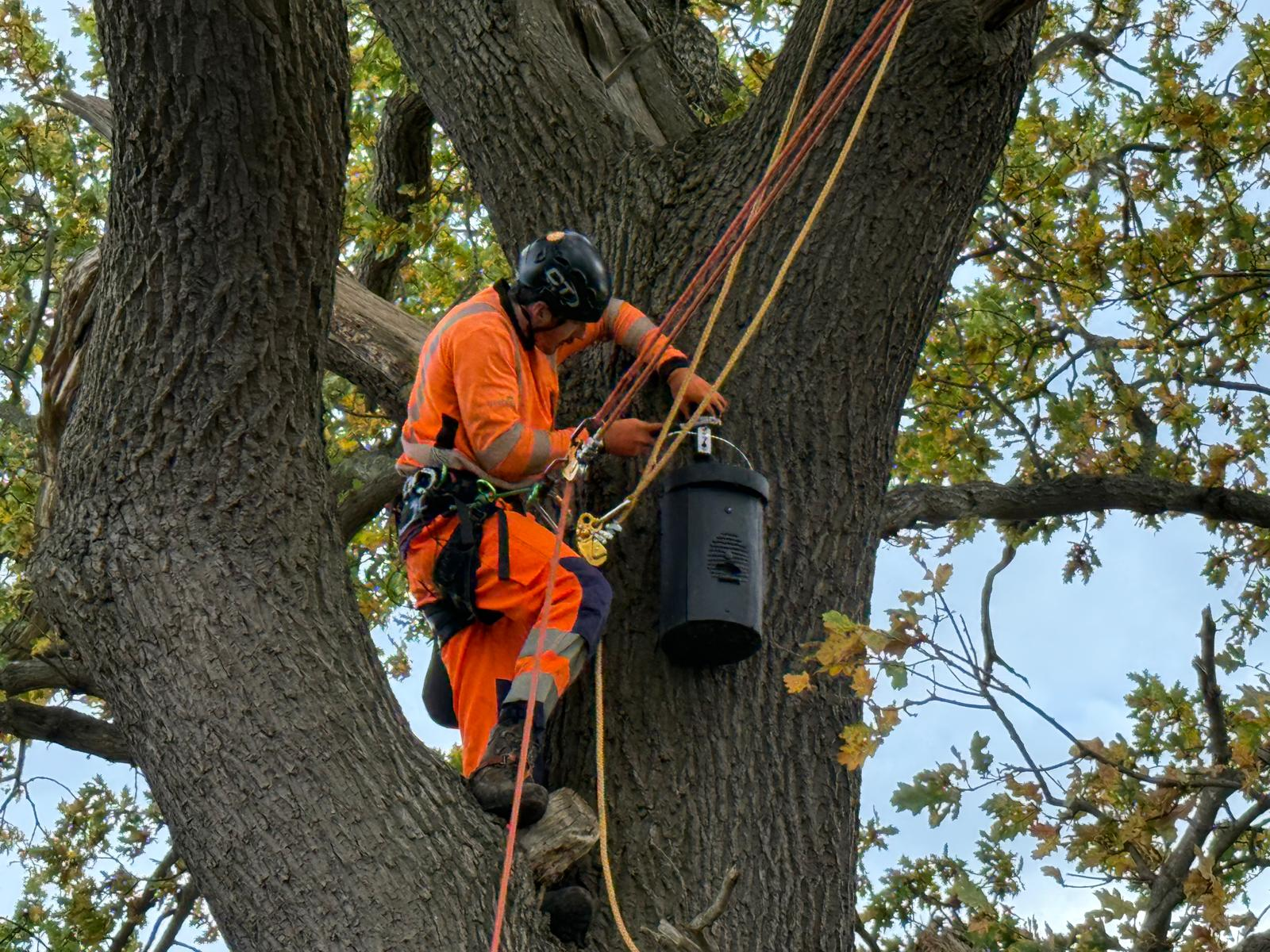
Find out whether protected wildlife uses your site before works start.
Preliminary Ecological Appraisal
PEAs rapidly assess a site’s habitats and species to flag ecological issues early.
Invasive Species Surveys
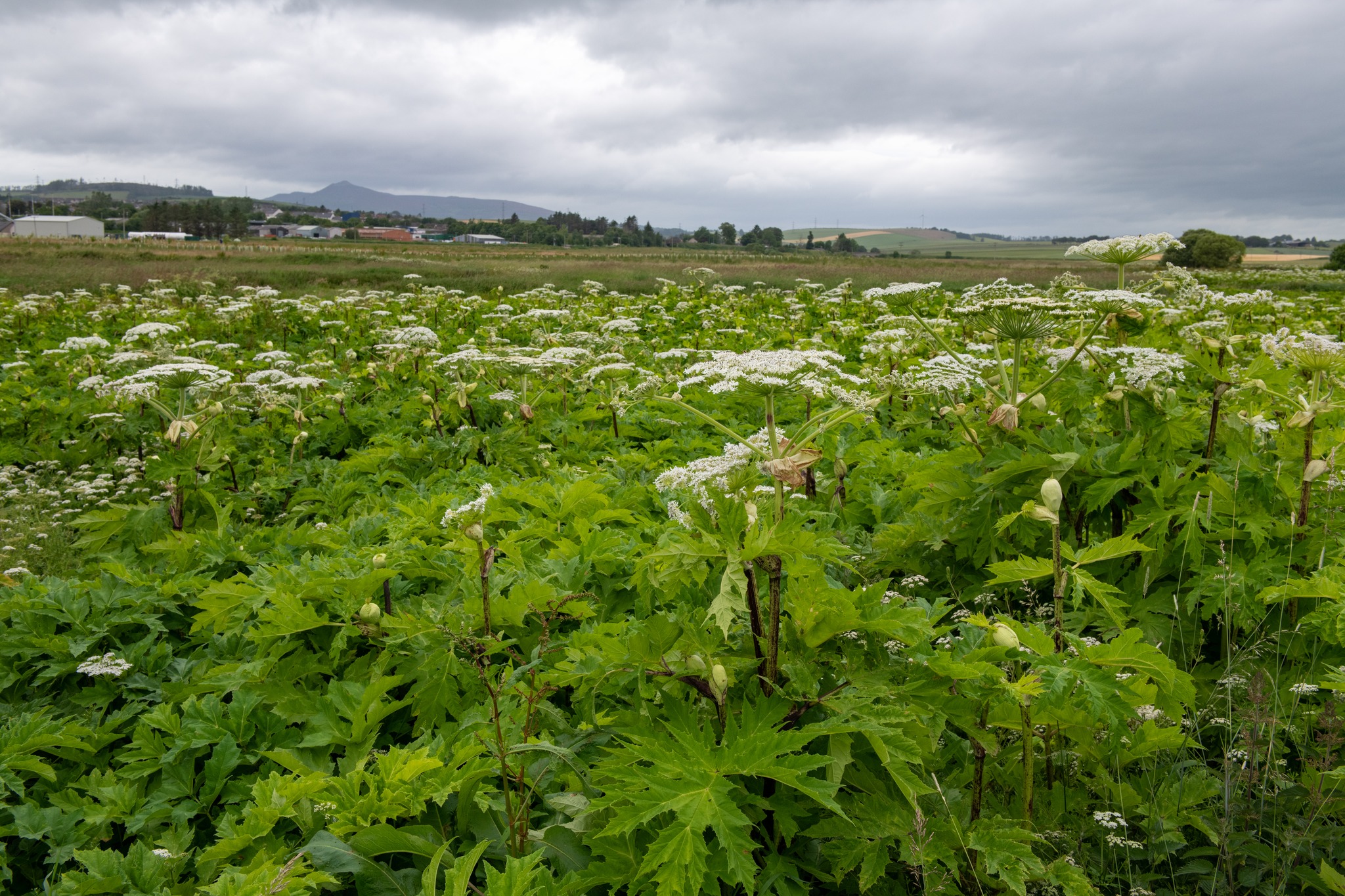
ID non‑native plants to guide land management & protect biodiversity.
River Condition Assessments
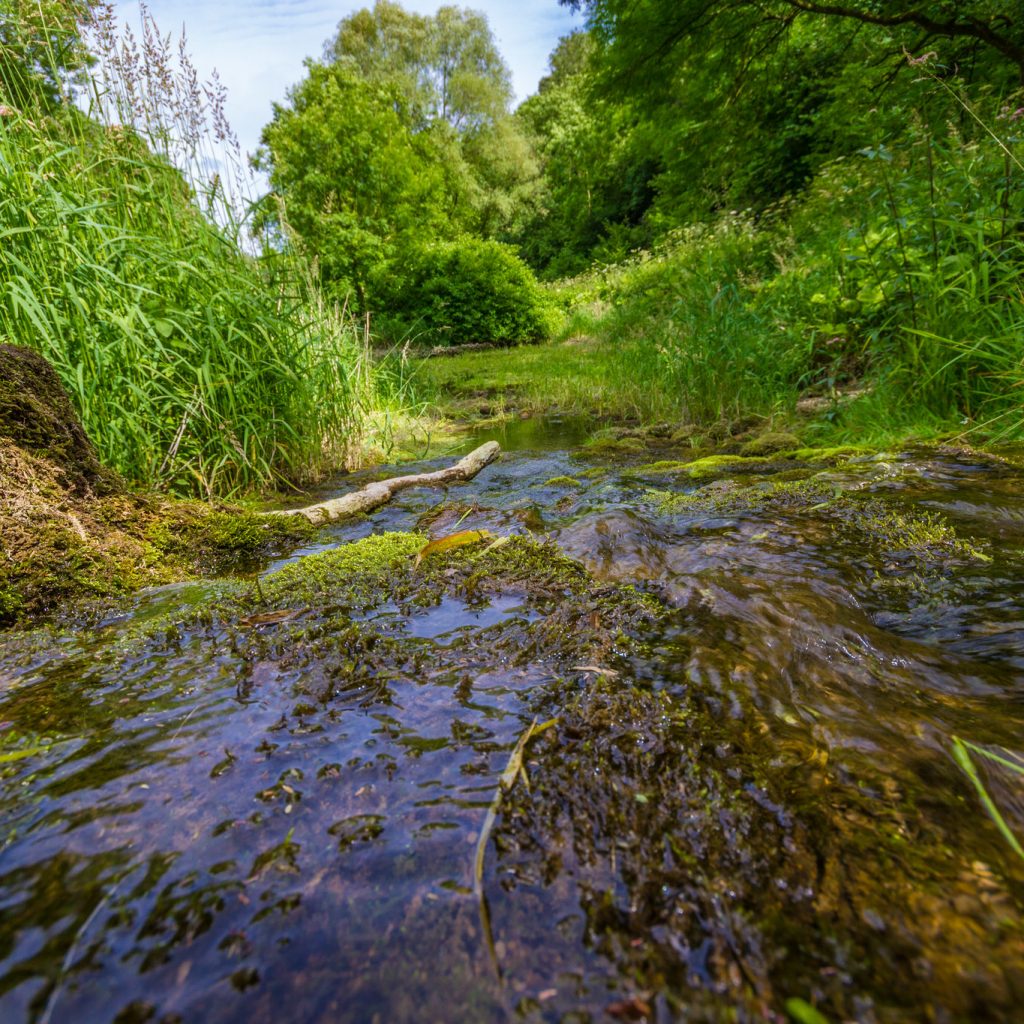
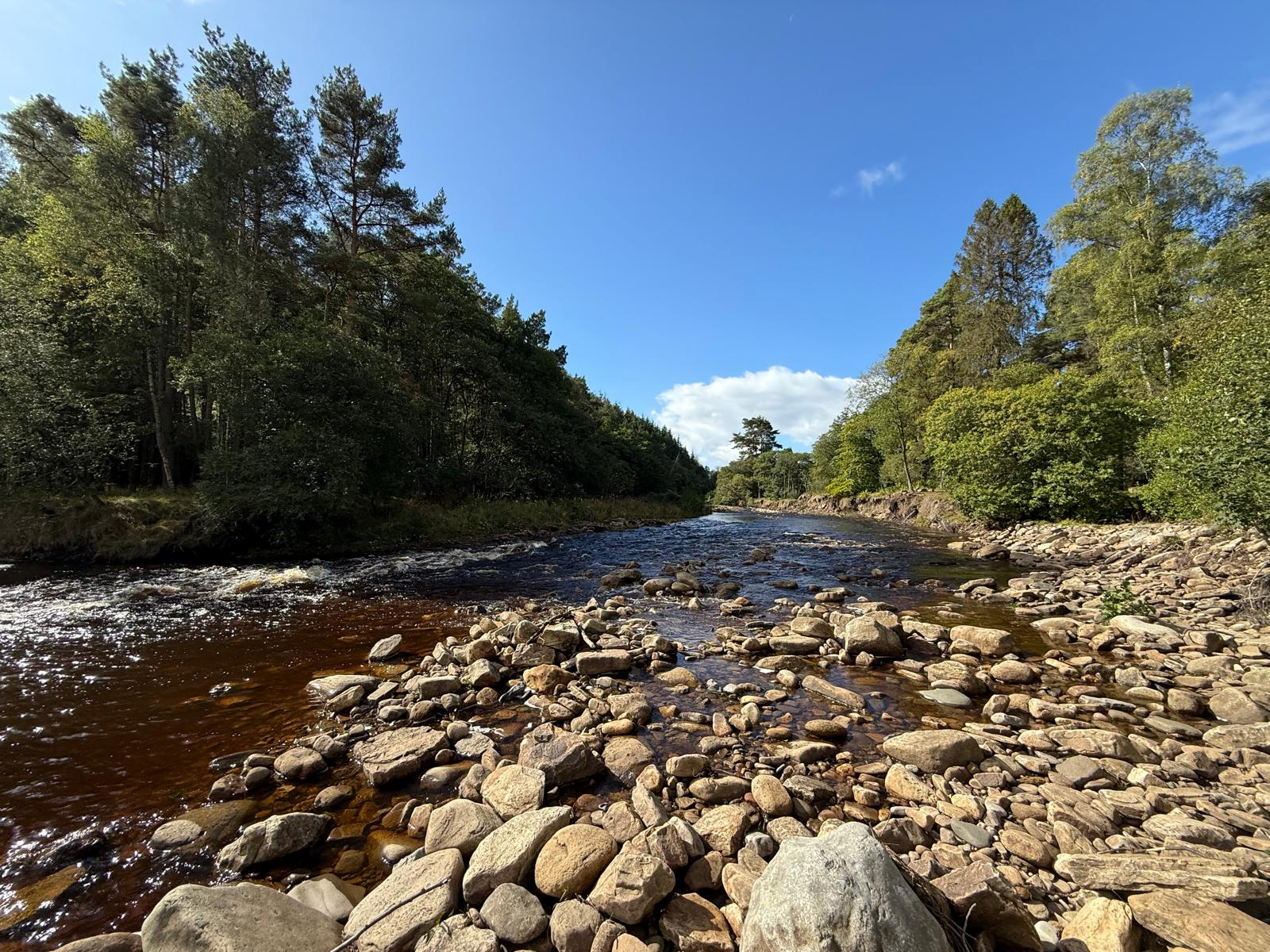
Assess river habitat to understand condition and guide restoration.