Bird Surveys
Bird surveys in Manchester and across the UK
All wild birds, their nests and eggs are protected by law under the Wildlife and Countryside Act 1981. It’s an offence to damage or destroy an active nest or its eggs, and some rarer species have extra protection from disturbance while they’re nesting.
If your project involves clearing vegetation, removing hedgerows or trees, demolishing buildings or other works where birds could be nesting, your local planning authority may ask for a bird survey. Our ecologists carry out bird surveys across most of the UK, and we’ll advise on the right survey and timing for your site.
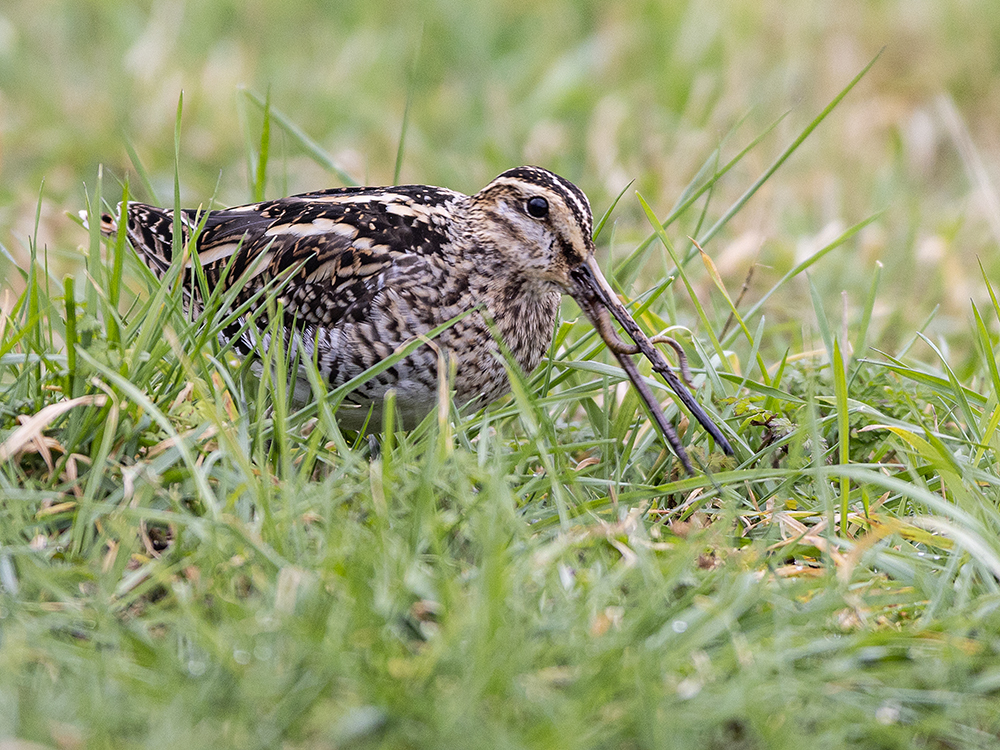
Which bird survey do you need?
The type of survey depends on your site and the kind of development. We’ll tell you which survey you need and the best time to carry it out, so it fits around your programme.
Nesting bird checks
The bird breeding season usually runs from March to the end of August, although a few species, such as barn owls, can nest at other times of year. Ideally, vegetation clearance and similar works should be done outside this period.
If works can’t avoid the breeding season, an ecologist will need to check for active nests immediately before work starts. Any active nests we find must be left undisturbed until the young have fledged. This usually means fencing off an area around the nest until the birds have left.
Breeding bird surveys
Breeding bird surveys record which species are breeding on and around your site. They normally involve several visits between April and June or July, although the timing can vary depending on the species involved and what the survey needs to show.
Wintering bird surveys
Wintering bird surveys are usually needed for sites that support migratory birds over the winter, such as wetlands and coastal sites. They’re also carried out elsewhere when a full assessment of the impact on birds is required. The survey involves several visits between November and February, and the results help decide what mitigation is needed.
Reporting and mitigation
After the survey, we’ll give you a clear report setting out what we found and any mitigation needed. If required, we can prepare a mitigation plan for your scheme, for example timing works outside the breeding season, protecting nests or providing replacement nesting habitat. Find out more about our mitigation work.
Frequently asked questions
When is bird nesting season?
The bird breeding season usually runs from March to the end of August. A few species, such as barn owls, can nest at other times of year.
Can I clear vegetation during nesting season?
Only once an ecologist has checked for active nests immediately before the work starts. If active nests are found, they must be left undisturbed until the young have fledged.
How many visits does a breeding bird survey need?
Breeding bird surveys usually need several visits between April and June or July. We’ll advise on the number of visits for your site.
Do you only work in Manchester?
No. We’re based in Manchester and carry out bird surveys across most of the UK.
Get a quote
Send us the site address and a short description of the works, and we’ll come back to you with a quote.
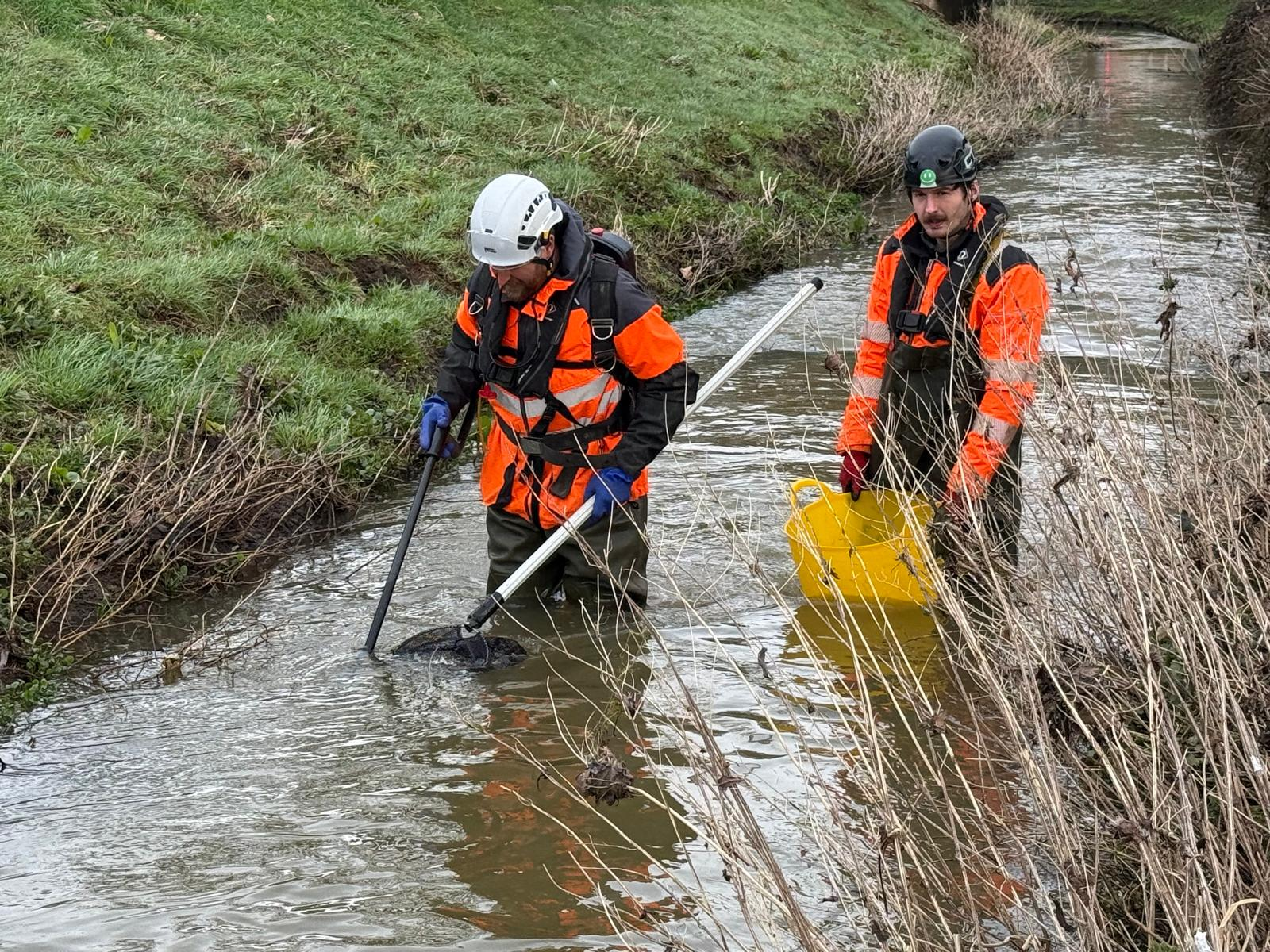
Fish Surveys and Fish Rescue
Safely capture and relocate fish before work to protect aquatic life and habitats.

Protected Species Surveys
Find out whether protected wildlife uses your site before works start.
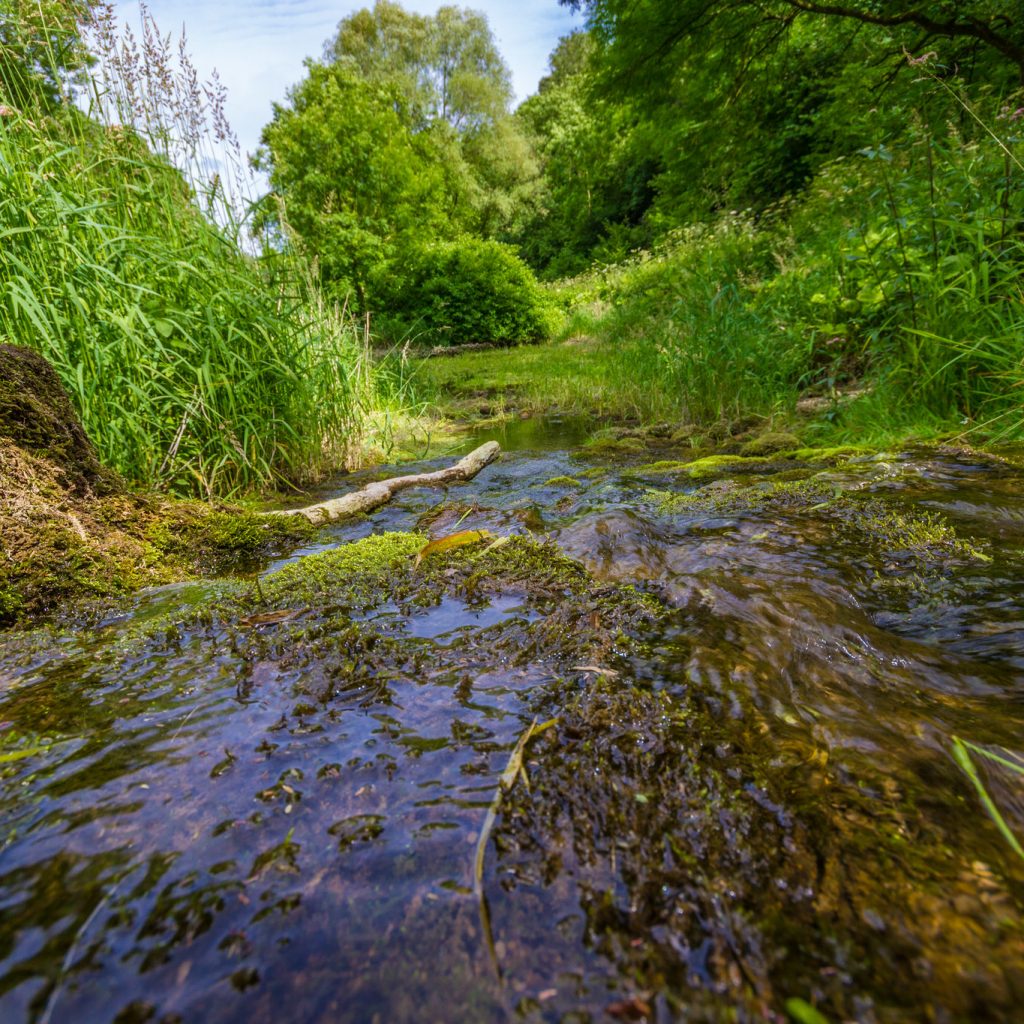
Biodiversity Net Gain
Quantify habitat losses and gains to secure an uplift in biodiversity.
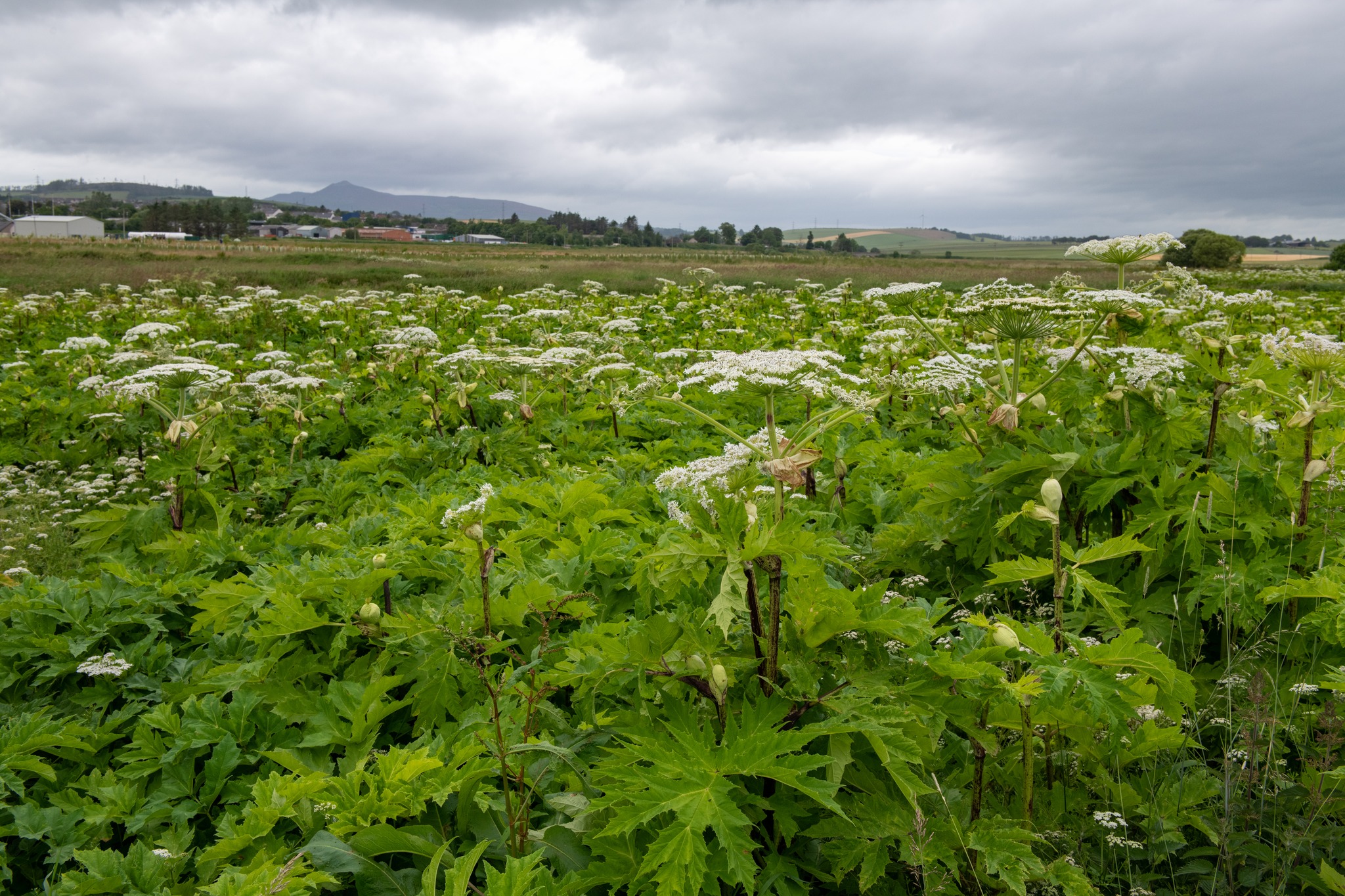
Invasive Species Surveys
Map and ID non‑native plants to guide land management & protect biodiversity.
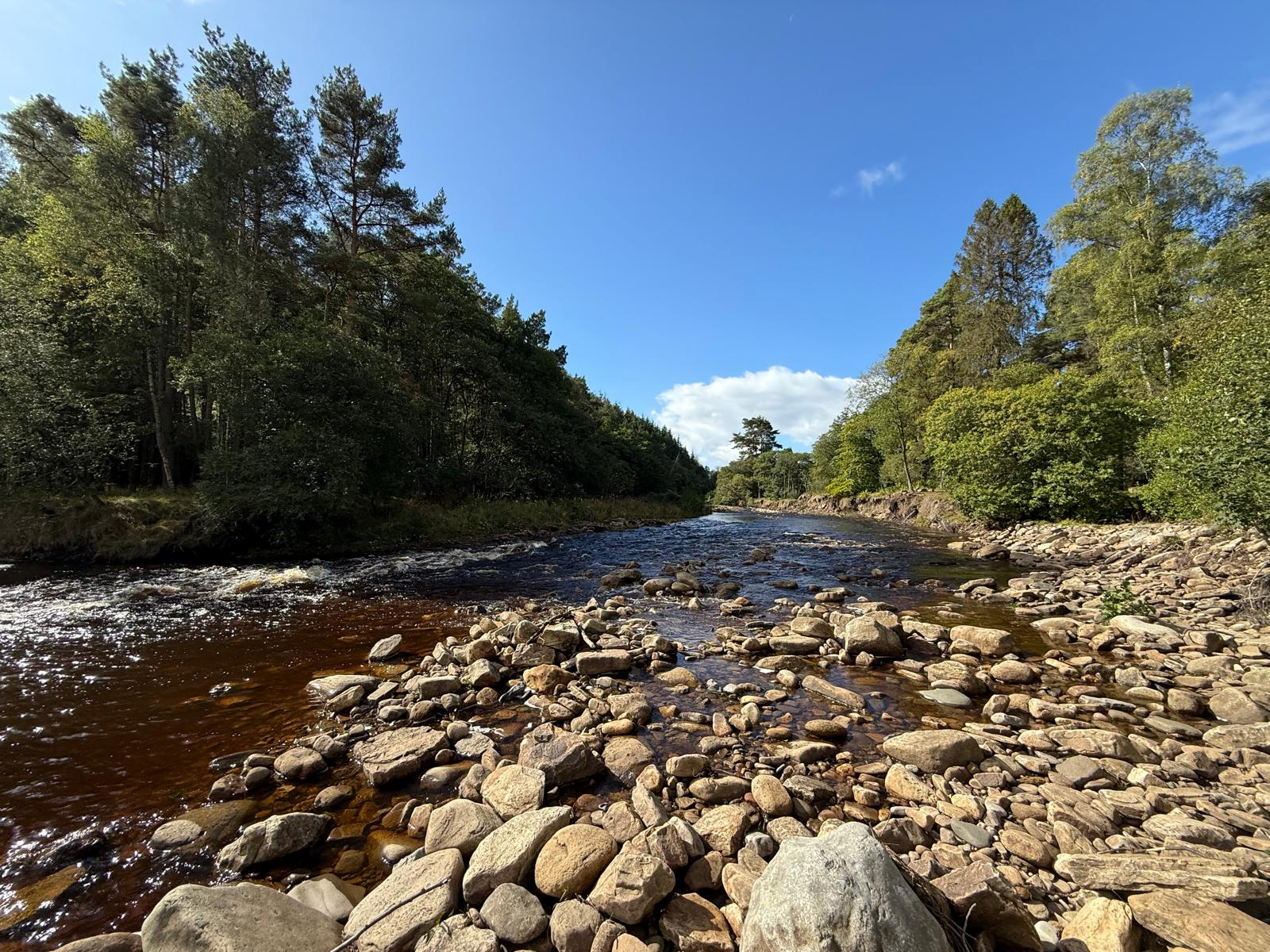
River Condition Assessments
Assess river habitat to understand condition and guide restoration.