
Fish Surveys
Fish and fisheries surveys across the UK
We’ve been carrying out fish surveys for over 15 years. Our surveys tell you which fish are present, how many there are and what condition they’re in, so you can plan works, meet planning and permit requirements, or manage a fishery with confidence.
We use electric fishing and netting to survey rivers, streams, canals, ponds, lakes and reservoirs. We’re based in Manchester and work across the North West and the rest of the UK.

Types of fish survey we carry out
Electric fishing surveys
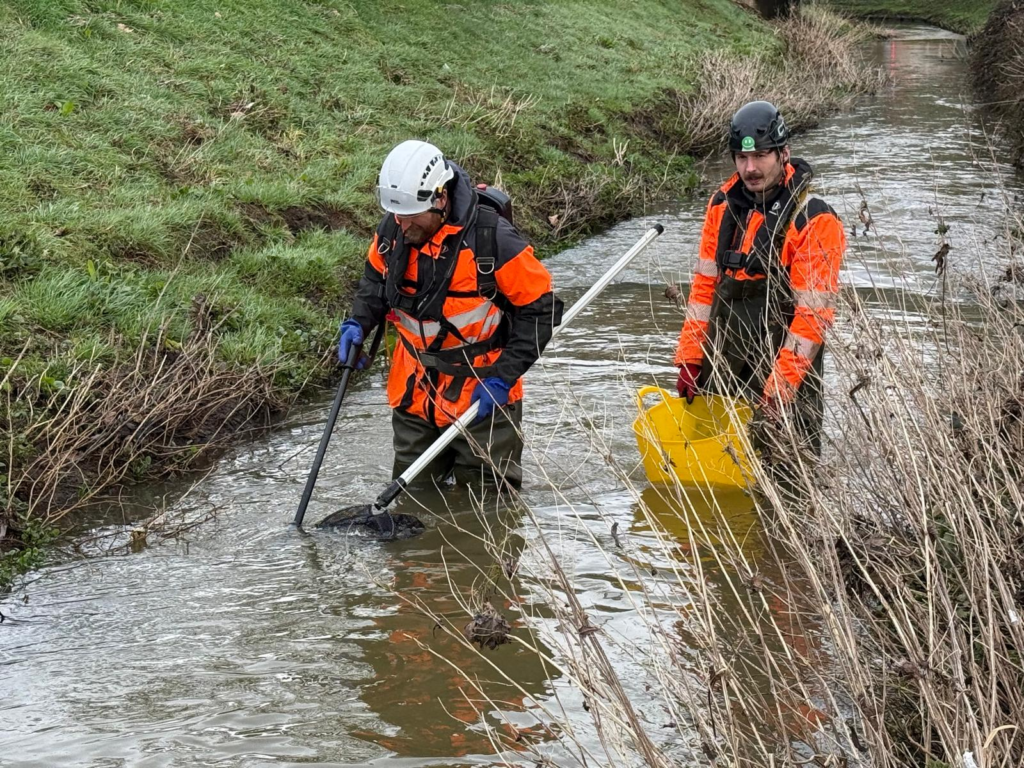
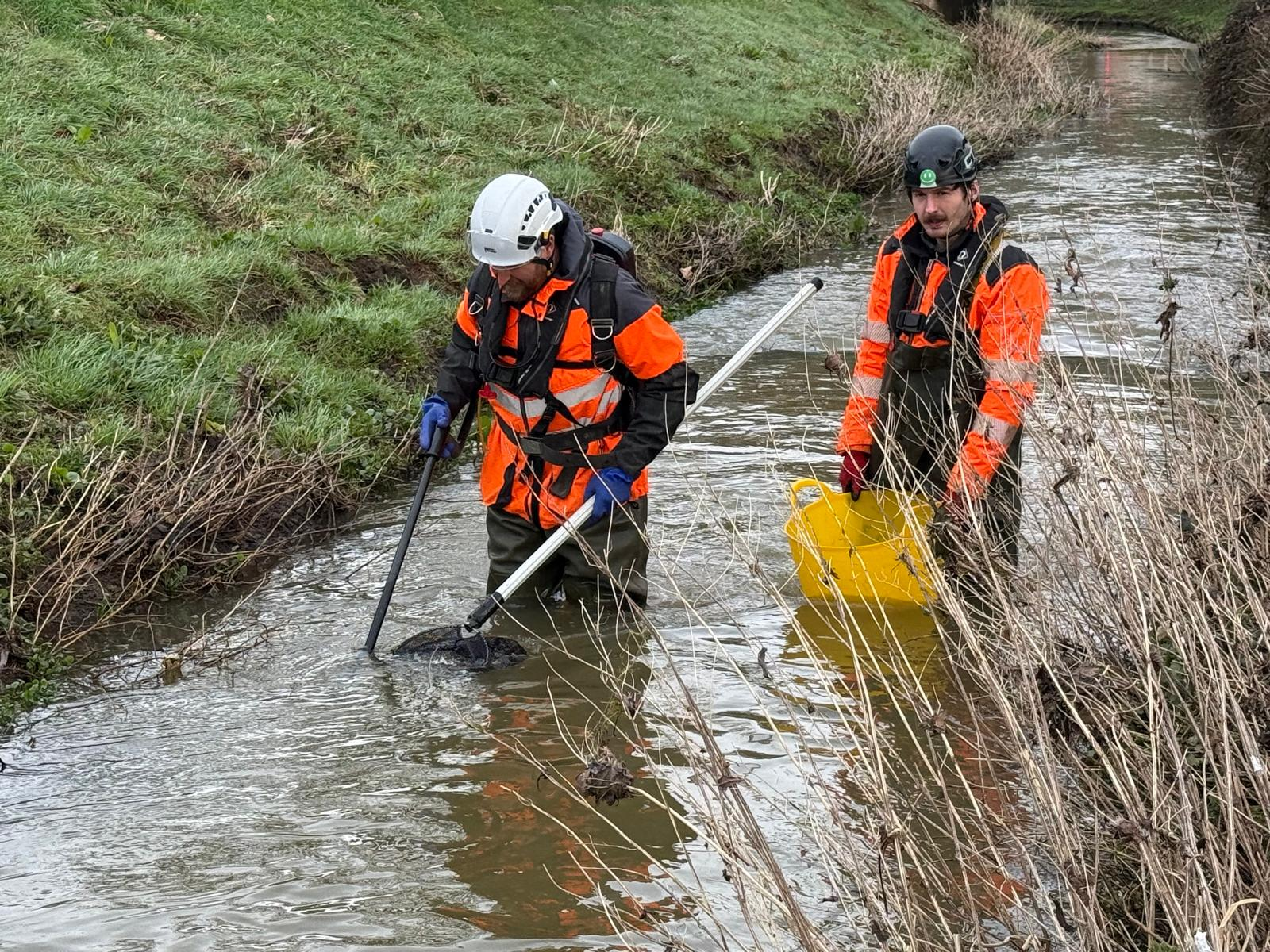
The most common way to survey fish in rivers and streams. A small electric field briefly stuns fish so they can be netted, identified, measured and returned unharmed. We can carry out single-pass surveys to find out which species are present, or repeated passes for a more accurate estimate of numbers.
Netting surveys
For ponds, lakes, reservoirs, canals and deeper rivers where electric fishing isn’t practical. We use seine nets and fyke nets, depending on the size and depth of the water and the species we’re looking for.
Fish stock assessments
A detailed look at the fish population: species, numbers, sizes, age structure and condition. Stock assessments are useful for fishery management, for checking the health of a population, and for setting a baseline before works start.
Fisheries walkover surveys
A walkover of the watercourse to assess its value for fish. We look at spawning and nursery habitat, cover, flow, barriers to fish migration and pressures such as pollution or invasive species. Walkovers are often the first step, and help decide whether a full fish survey is needed.
What fish surveys are used for
- Planning applications, where development could affect a watercourse or pond
- Environmental Impact Assessments (EIA), providing the fish data for the aquatic ecology chapter
- Water Framework Directive (WFD) assessments, showing how a scheme could affect a water body’s fish
- Monitoring before and after works, such as culvert replacements, weir removals and river restoration
- Fishery management, helping angling clubs, estates and fisheries understand their stocks and plan improvements
Permissions
Using electric fishing gear or nets in inland waters in England needs written authorisation from the Environment Agency. We apply for this on your behalf, so you don’t need to deal with it yourself.
What you get
A clear report setting out what we found, including species, numbers and sizes, notes on the habitat, and practical recommendations for your scheme or fishery.

Protected and notable species
During our surveys we often come across protected and notable species, including European eel, Atlantic salmon and trout, bullhead, lamprey and white-clawed crayfish. We also record invasive species such as signal crayfish and advise on how to deal with them.
Who we work with
- Property developers
- Civil engineering contractors working in and around water
- Utilities and water companies
- Infrastructure and transport projects
- Renewable energy developments
- Local authorities and public sector schemes
- Environmental organisations and river restoration projects
- Private landowners, estates and fisheries
Fish rescue
If your works will lower water levels or block off a channel, you may also need a fish rescue. It’s our specialism, and we often carry out the survey and the rescue on the same scheme. More about our fish rescue service.
Frequently asked questions
Do I need a fish survey for my planning application?
If your scheme could affect a river, stream, pond or other water body, the council, the Environment Agency or your EIA may need information on the fish that live there. A fisheries walkover survey is often a good first step to find out whether a full survey is needed.
What's the difference between a fish survey and a fish rescue?
A fish survey finds out which fish are present, how many there are and what condition they’re in. A fish rescue moves fish out of harm’s way before works such as dewatering or a drain-down. We often do both on the same scheme.
When can fish surveys be done?
It depends on what the survey is for and the species involved. Many river surveys are best done between late spring and autumn, when flows are lower. We’ll advise on the best timing for your site.
Do you need permission to carry out a fish survey?
Yes. Electric fishing and netting in inland waters in England need written authorisation from the Environment Agency. We apply for this on your behalf.
Where do you work?
All over the UK. We’re based in Manchester and carry out fish surveys across Greater Manchester, the North West and the rest of the country.
Need a fish survey?
Send us the location and a short description of your scheme or fishery and we’ll come back to you with a quote.
Preliminary Ecological Appraisal
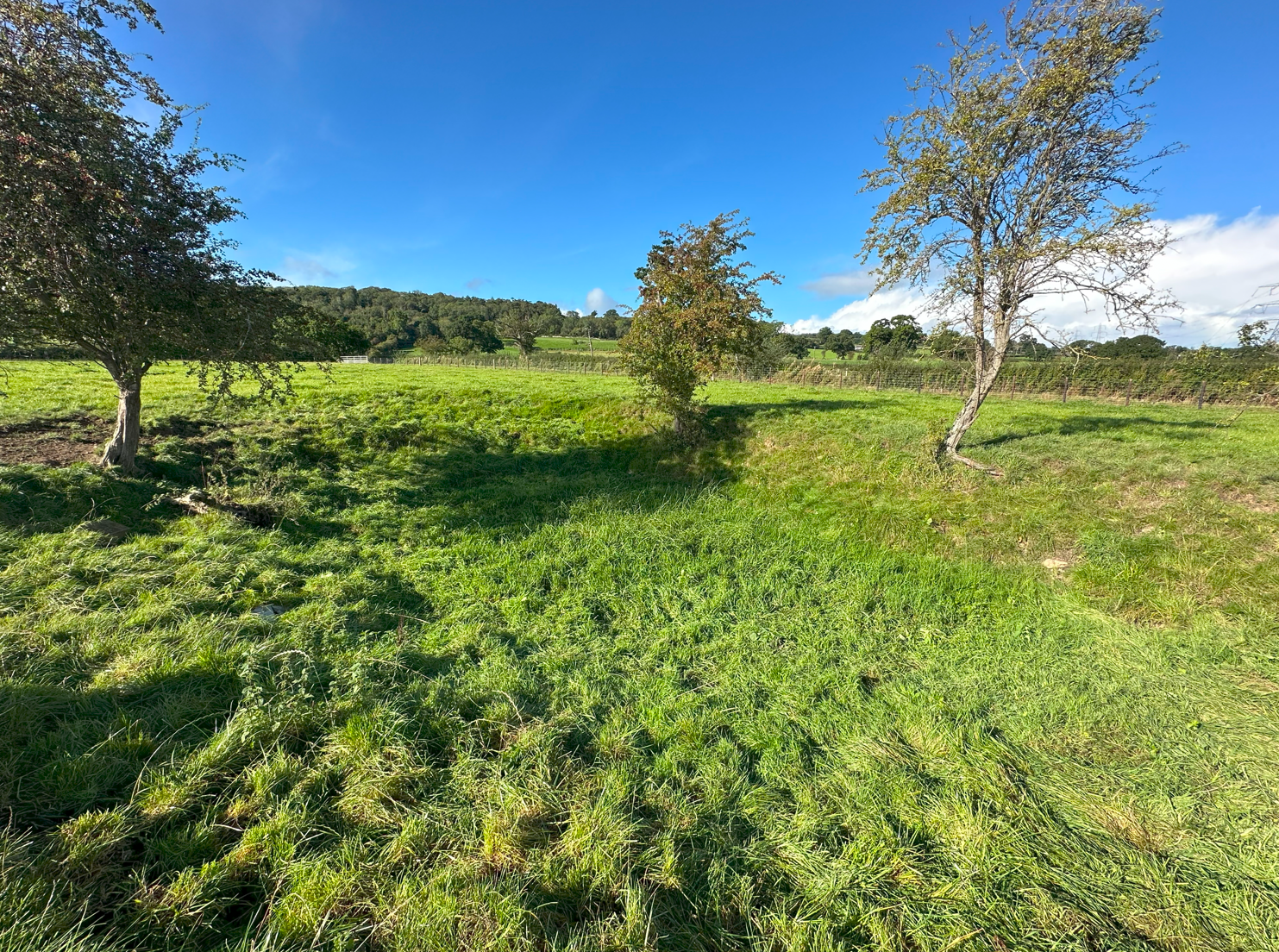
PEAs rapidly assess a site’s habitats and species to flag ecological issues early.
Protected Species Surveys
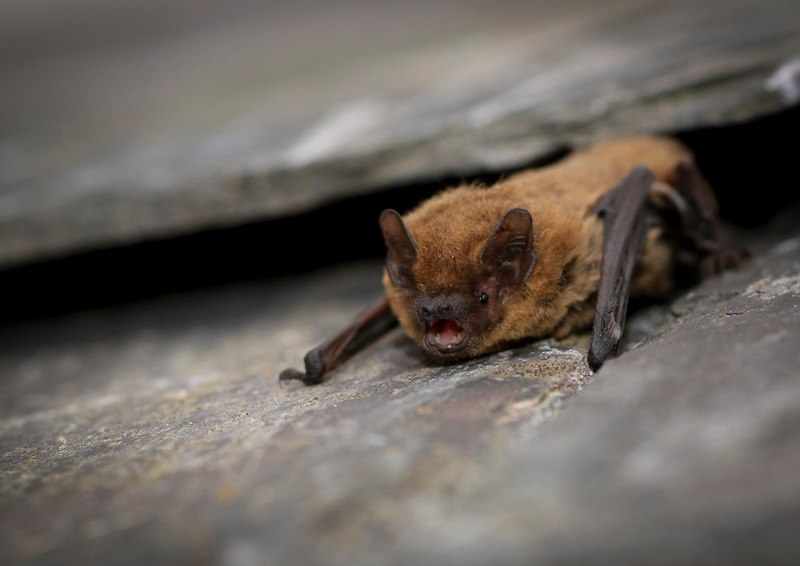
Find out whether protected wildlife uses your site before works start.
Biodiversity Net Gain
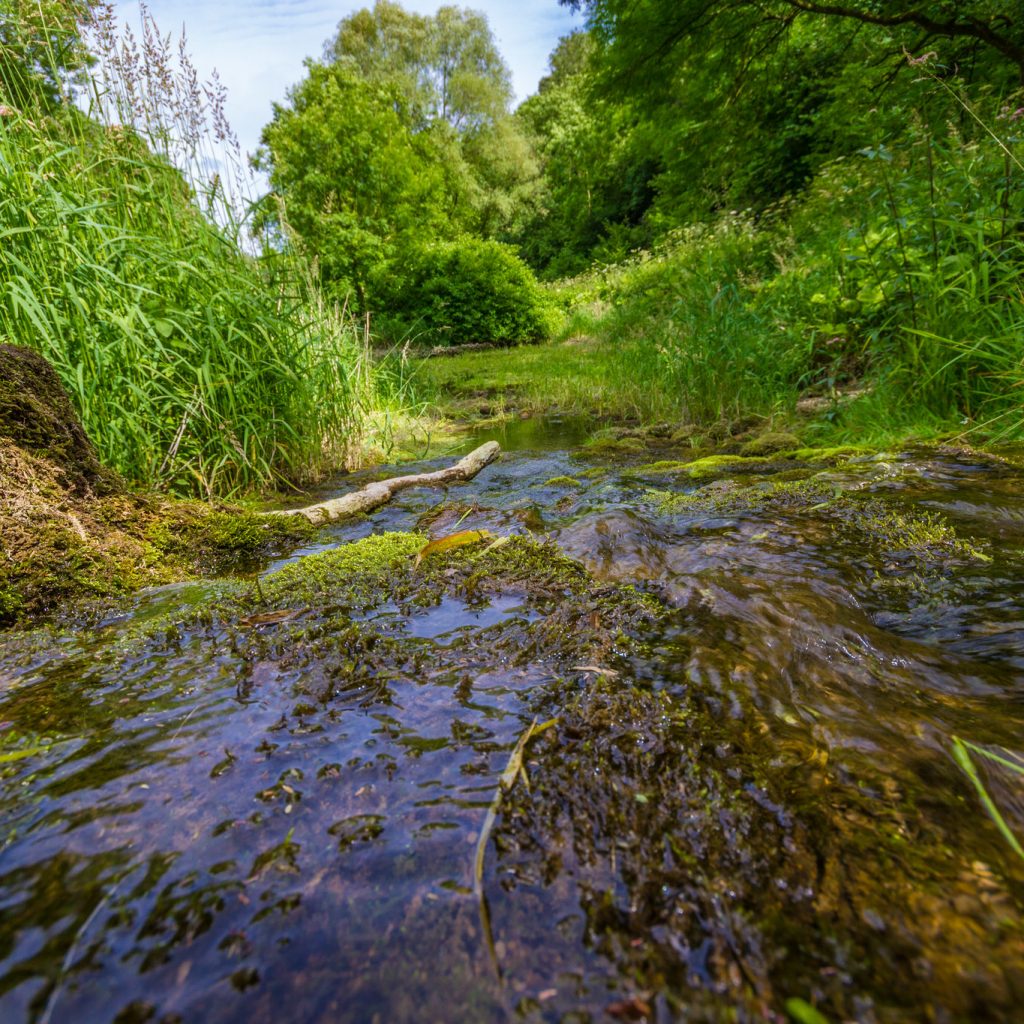
Quantify habitat losses and gains to secure an uplift in biodiversity.
Fish Rescue
Our specialism. Fish rescues and relocations before works in and around water.
River Condition Assessments
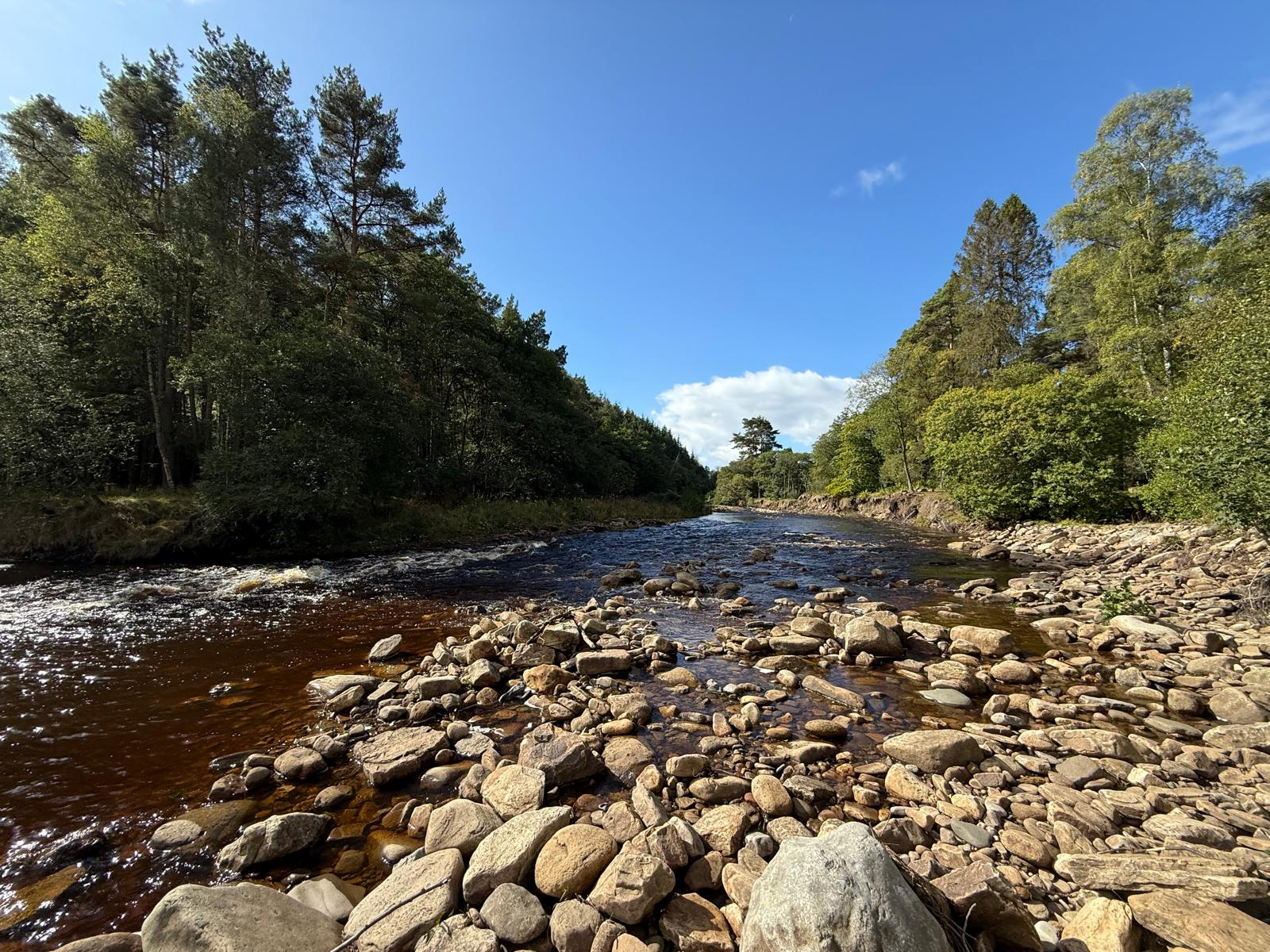
Assess river habitat to understand condition and guide restoration.
Safety Boat Services
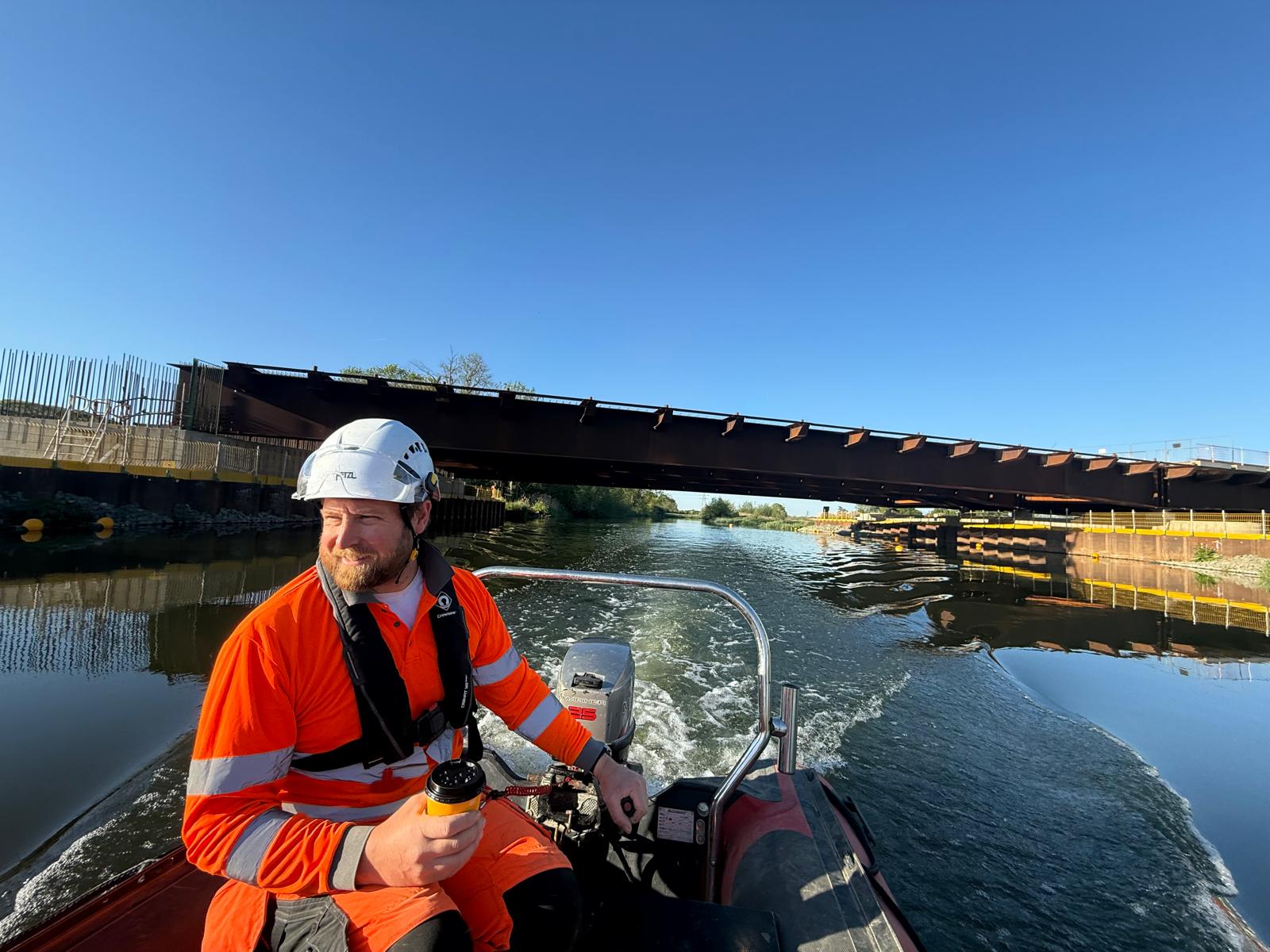
Safety and rescue standby, workboats and crew on rivers, canals, lakes and reservoirs.