Local fish rescue specialists for works in and around water
Fish rescue is our specialism. We’re based in Manchester and carry out fish rescues and fish relocations across Greater Manchester, Lancashire, Merseyside, Cheshire and Cumbria, ahead of any work that could strand or harm fish.
We’ve been doing fish rescues for over 15 years, at hundreds of locations across the UK. Being local means we can often get to North West sites at short notice, which matters when a drain-down or emergency repair can’t wait.
Fish rescues on North West rivers, canals and lodges
The North West has a huge network of rivers, canals, reservoirs and old mill lodges, and a lot of construction and maintenance work happens in or next to them. Whenever water levels are lowered or a channel is blocked off, fish can be left stranded. Typical jobs include:
Culvert, bridge and outfall works on rivers and streams
Canal stoppages, lock repairs and dredging
Over-pumping and dewatering for pipe and sewer works
Draining down mill lodges, ponds and reservoirs
Flood defence, bank repair and river restoration schemes
Emergency repairs where water has to come down quickly
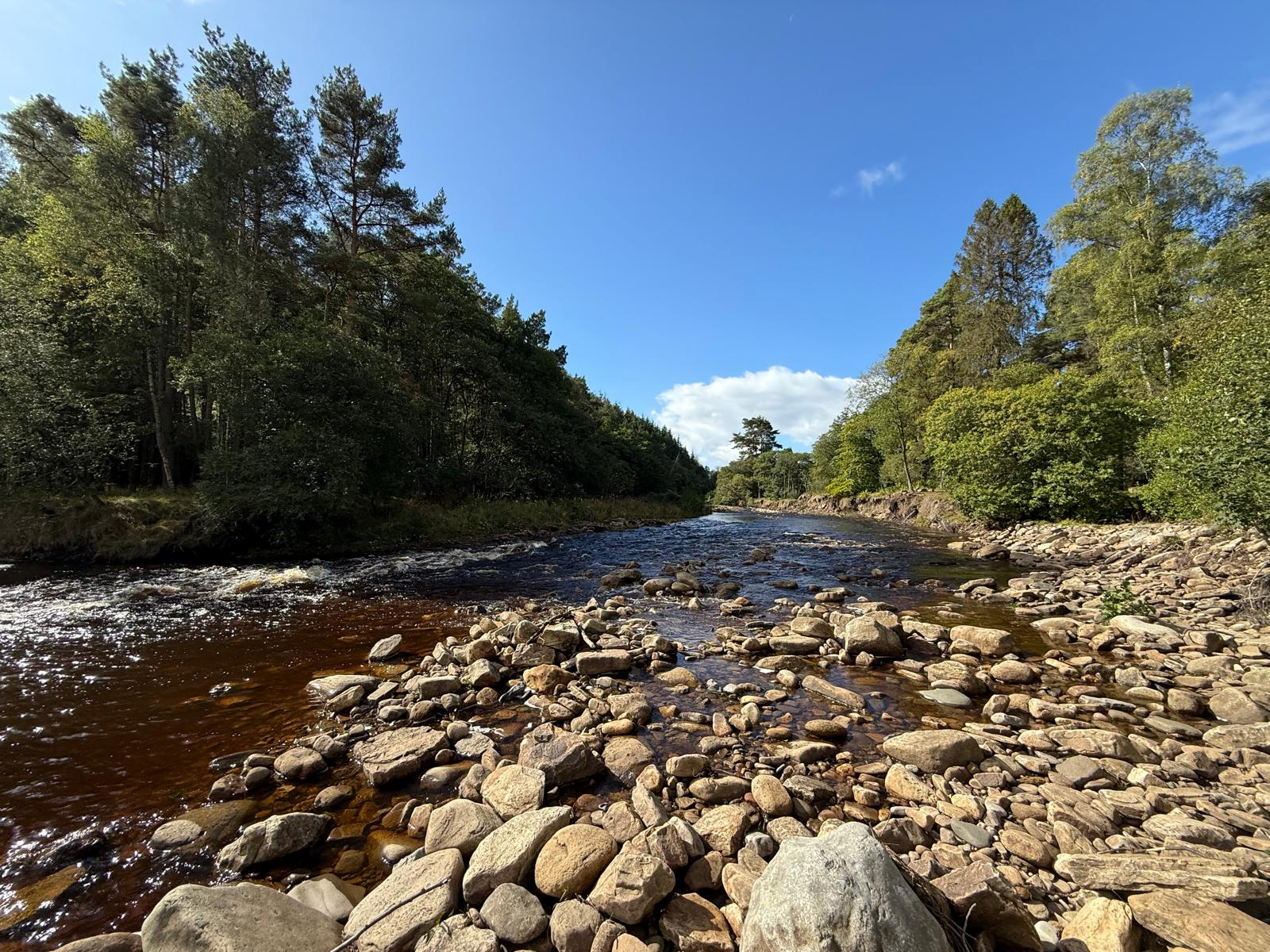
We work on the region’s main rivers and their tributaries, such as the Mersey, Irwell, Tame, Goyt, Bollin, Ribble and Lune, as well as the canal network and countless smaller brooks and ponds.
How we do it
Site visit and method. We look at the watercourse, the fish likely to be there, access and where fish can safely be released, then agree a method and timings with you.
Environment Agency permissions. Using electric fishing gear or nets in inland waters in England needs written authorisation from the Environment Agency. We apply on your behalf and have done this for hundreds of jobs, so the paperwork rarely holds up your programme.
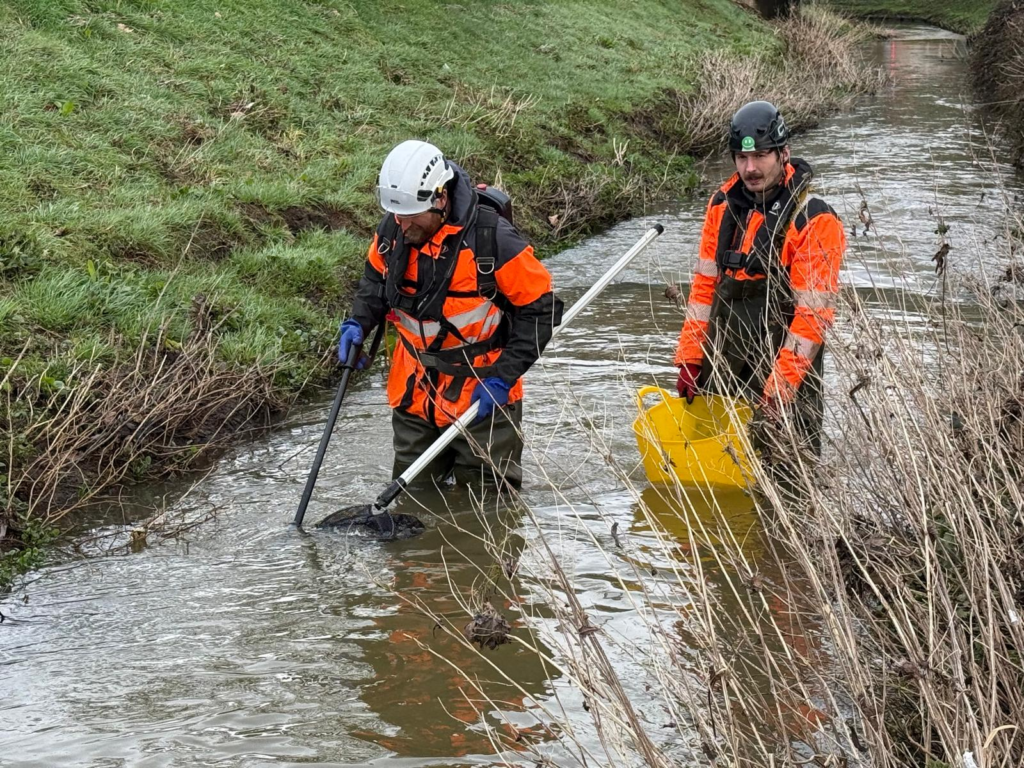
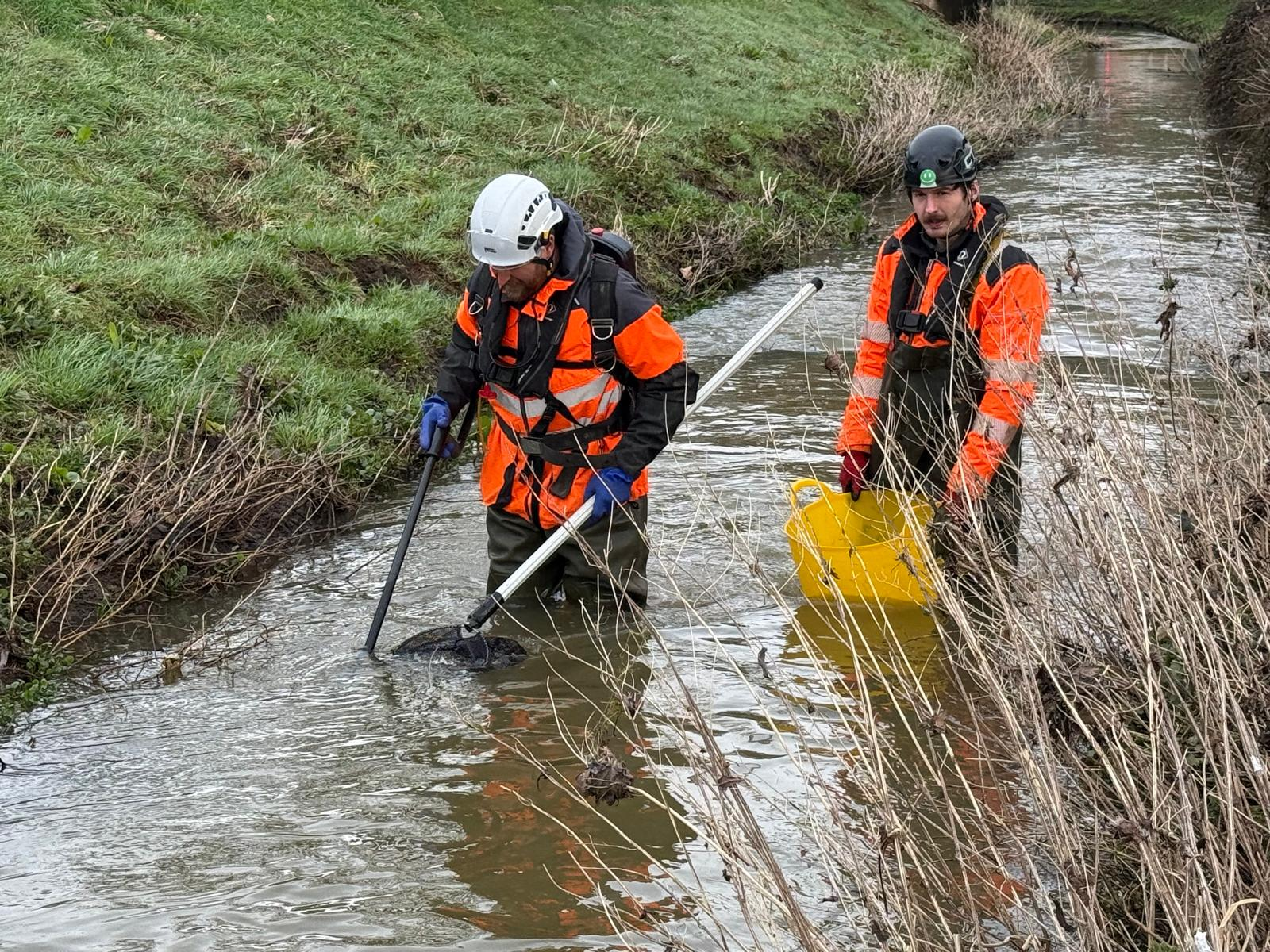
Catching the fish. We mainly use electric fishing, with seine and fyke nets on larger waters, working alongside your contractor as the water is drawn down.
Holding and release. Fish are kept in aerated containers, checked, counted and moved quickly to suitable habitat nearby. We follow Check, Clean, Dry biosecurity so we don’t spread invasive species or disease between sites.
Fish surveys in the North West
As well as rescues, we carry out fish surveys to find out which fish are present, how many there are and what condition they’re in. These support planning applications, river restoration projects and monitoring before and after works. More about our fish surveys and fish rescue service.
Who we work with
Civil engineering and construction contractors
Water companies and utilities
Canal and waterway owners
Local authorities
Developers and landowners
Fisheries, estates and angling clubs
Safety boats as well
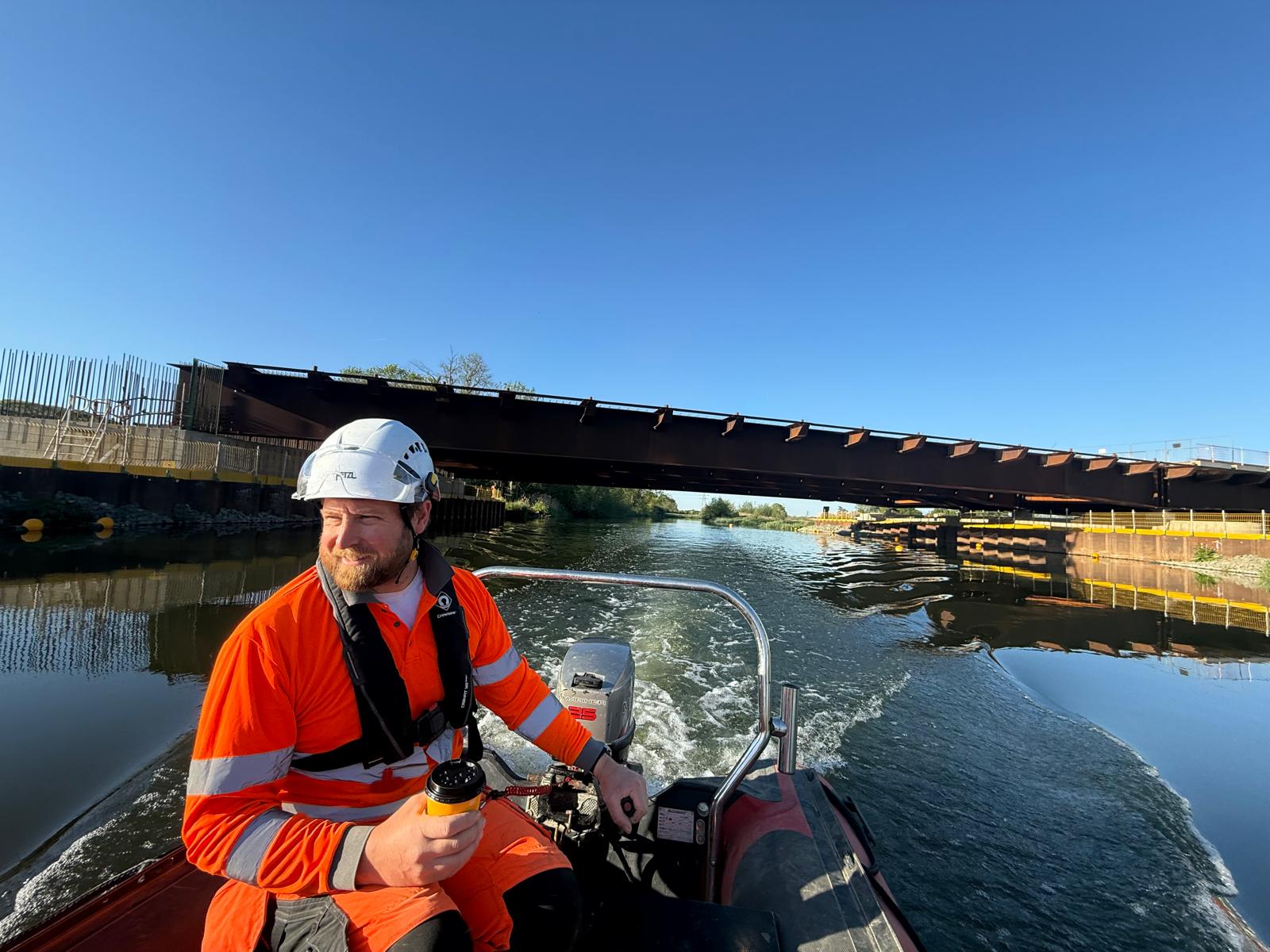
For works on bigger waters we can also provide safety boat cover, with RYA-qualified boat operators, so one team can look after both the fish and the safety cover on site.
We carry out fish rescues across Greater Manchester, Lancashire, Merseyside, Cheshire and Cumbria, as well as the rest of the UK. As we’re based in Manchester, North West sites are usually the quickest for us to reach.
In England, using electric fishing equipment or nets in inland waters needs written authorisation from the Environment Agency, and moving fish may need a separate permit. We apply for these on your behalf.
The sooner you get in touch the better, but don’t worry if your works are coming up soon. We handle the Environment Agency applications for you and know the process well, so we can usually fit in with your programme, including at short notice.
Fish are held in aerated containers, checked and counted, then released quickly into suitable habitat nearby, usually upstream or downstream of the works.
Planning works in or near water in the North West?
Send us the location and a short description of the works and we’ll come back to you with a quote.