eDNA has become a popular tool in ecological surveys, and it has its place. But it isn’t the silver bullet it’s sometimes made out to be, particularly in rivers.
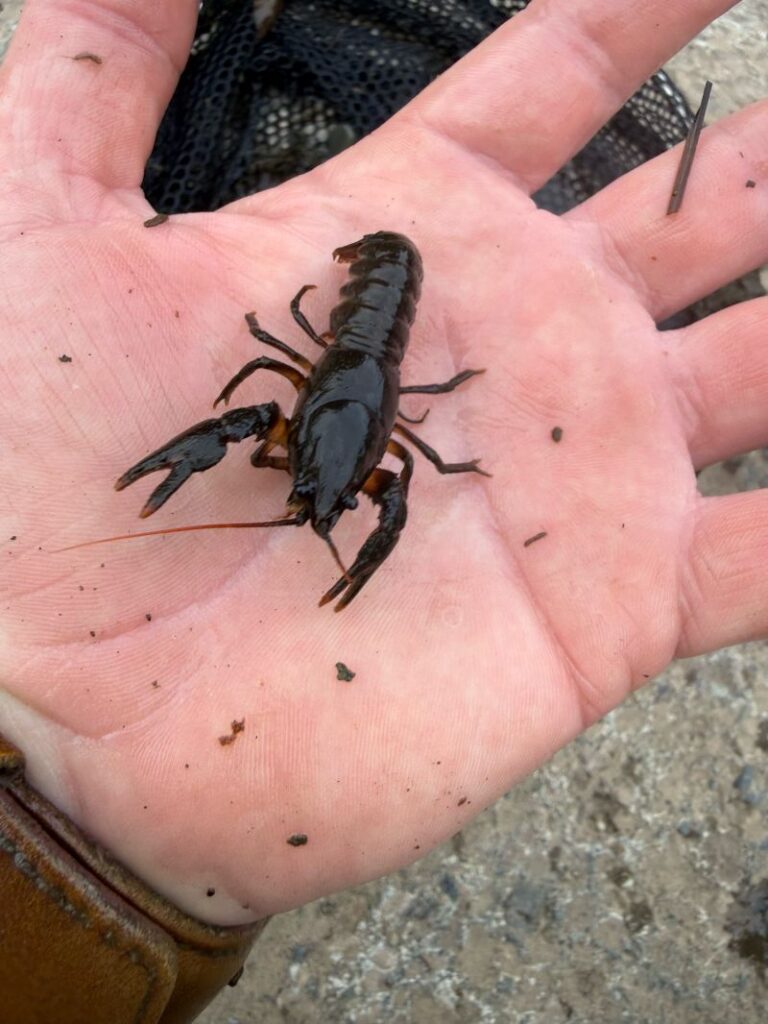
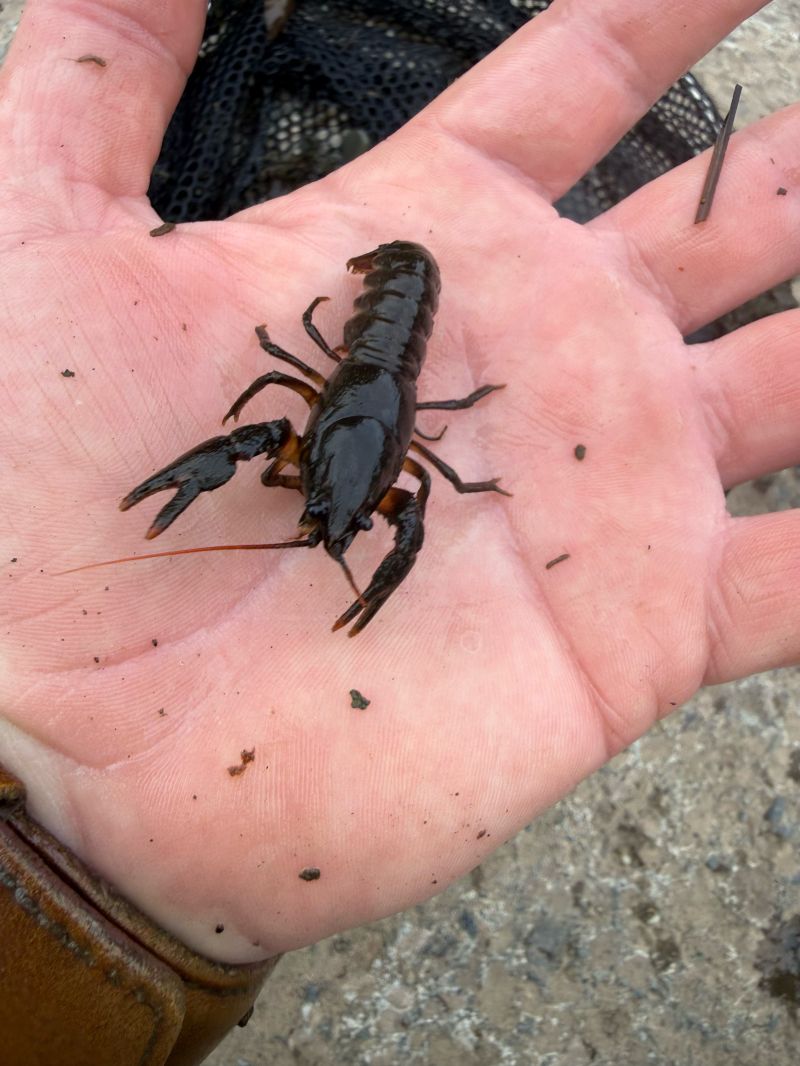
We recently carried out a white-clawed crayfish survey by hand search and found crayfish within the project area itself. That’s the information a planning decision actually needs: are they here, where exactly, and how will the works affect them?
The problem with eDNA in rivers
eDNA (environmental DNA) works by sampling the water for traces of DNA that animals shed into their surroundings. It’s a clever technique, but in a river there’s a basic limitation: water moves, and DNA drifts downstream with it.
A positive result tells you the species is somewhere in the catchment above your sampling point. It doesn’t tell you whether it’s in your works footprint, 50 metres upstream or a kilometre away. In a river, how do you know where the source is?
Sometimes the answer is obvious. When the Rivers Trust ran eDNA fish surveys on the River Irwell, the results showed tuna to be present. We think it’s safe to say the source on that one was a tin of John West.
Where eDNA works well
None of this means eDNA isn’t useful. It’s excellent for:
- screening and scoping large areas quickly
- checking whether a species is likely to be present in a catchment
- flagging where to focus more detailed survey effort
Why hand searches still matter
For project-specific questions, the exact location of a species drives everything that follows: the impact assessment, the mitigation and any licensing. White-clawed crayfish are a protected and declining species, so getting that right matters for both the crayfish and the project programme.
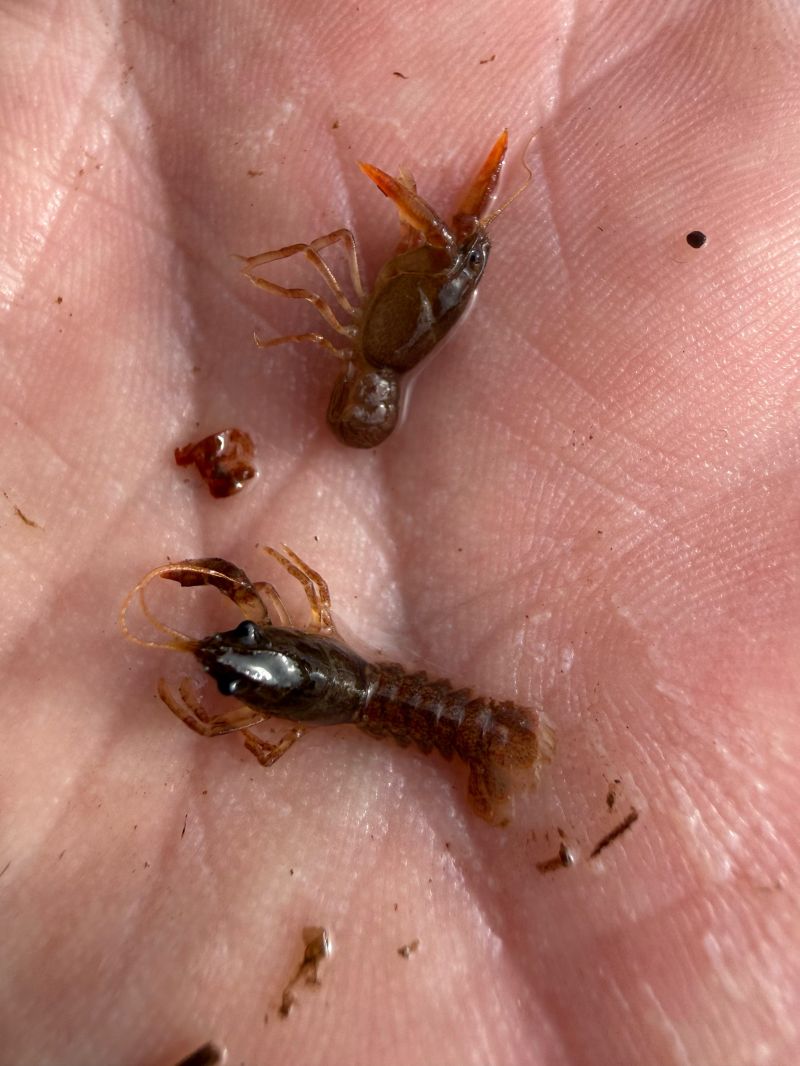
A licensed surveyor in the water can tell you exactly where crayfish are, how many there are and what habitat they’re using. That’s the detail you need to design mitigation that works and to avoid delays later on.
Need a white-clawed crayfish survey?
Our licensed ecologists carry out white-clawed crayfish surveys across most of the UK, alongside fish surveys and fish rescues for works in and around water. Get in touch and we’ll advise on the right approach for your site.