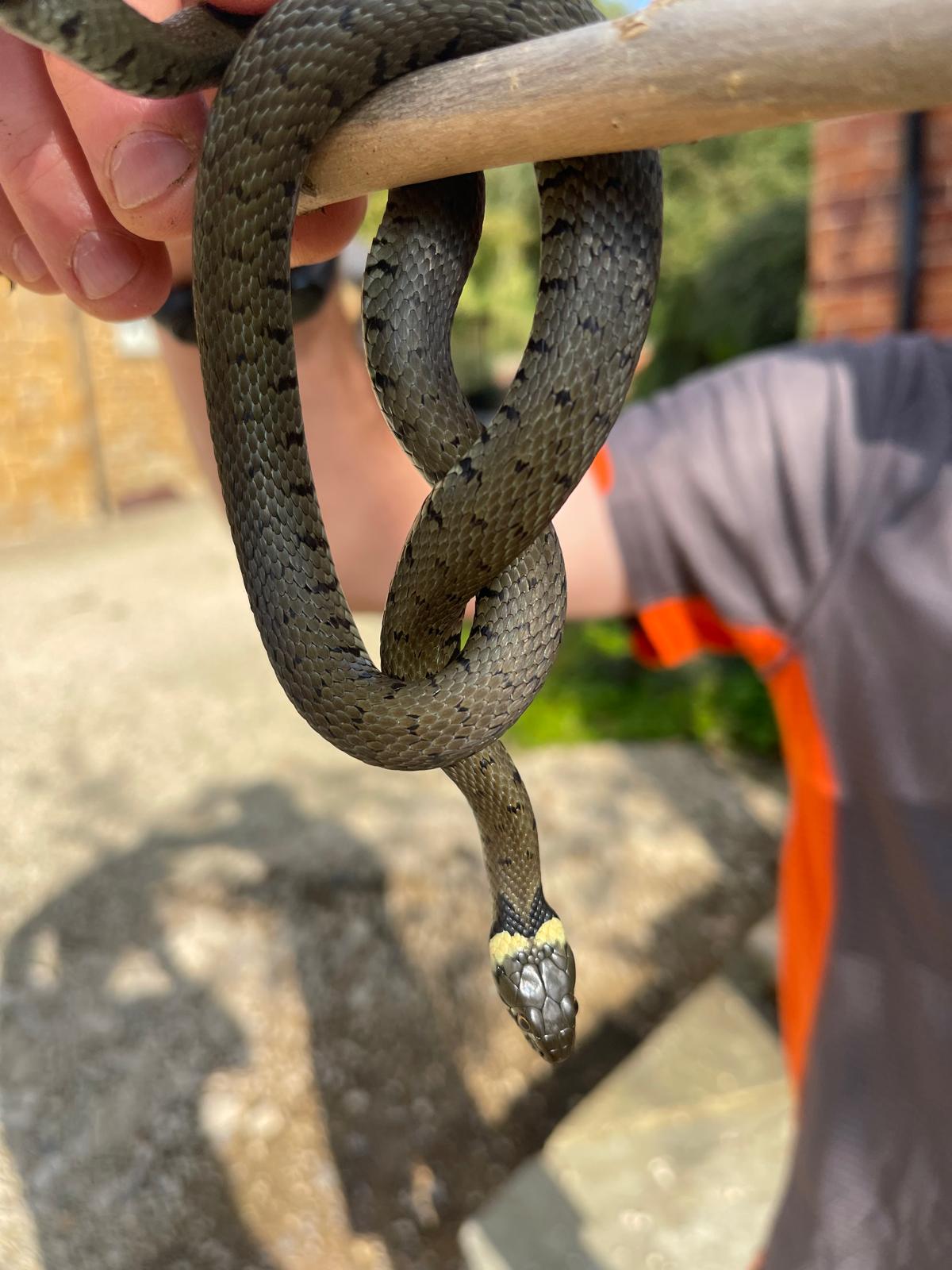
All native reptiles are protected. A reptile survey tells you whether slow-worms, common lizards, grass snakes or adders use your site, and gives the planning authority the evidence it needs.
Our ecologists carry out reptile surveys across most of the UK from our base in Manchester on all kinds of development sites. Whether you’re preparing a planning application, assessing a site or discharging planning conditions, we’ll help you identify constraints early and reduce the risk to your programme. That includes sites right across Greater Manchester, where we can usually get to you at short notice.
Placing artificial refuges (mats) in suitable habitat and checking under them
Visual searches of suitable habitat such as grassland, scrub and brownfield land
Population size estimates if reptiles are found
A report for your planning application, with advice on mitigation or licensing if needed
When can reptile surveys be done?
A presence or absence survey involves seven visits between April and September, in suitable weather. These are the months when reptiles spend most time basking, so they are most likely to be found.
Mitigation will be needed. This might mean keeping and improving habitat on site, or carefully moving reptiles to a suitable receptor area before works start. We’ll design an approach that fits your scheme.