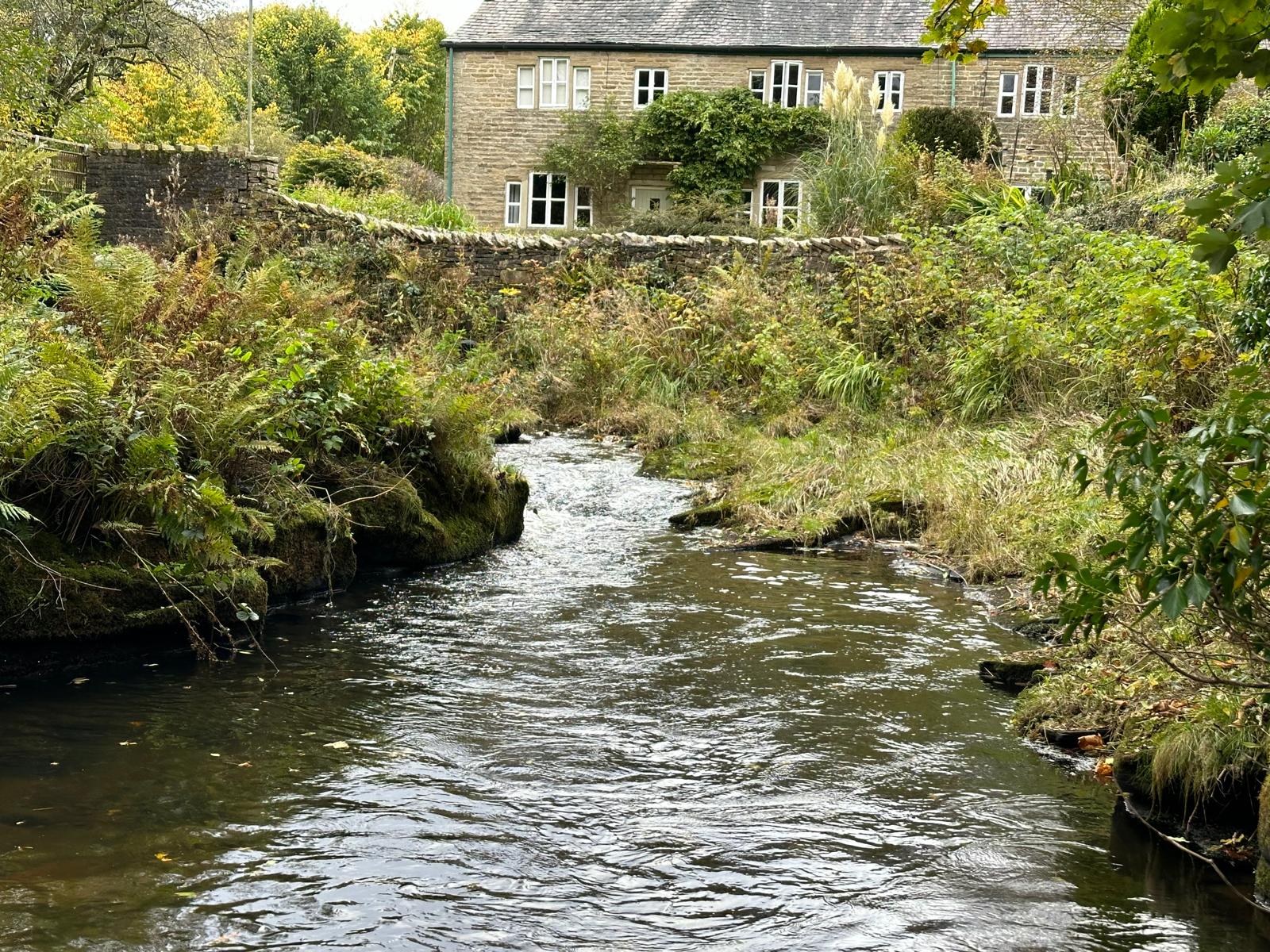
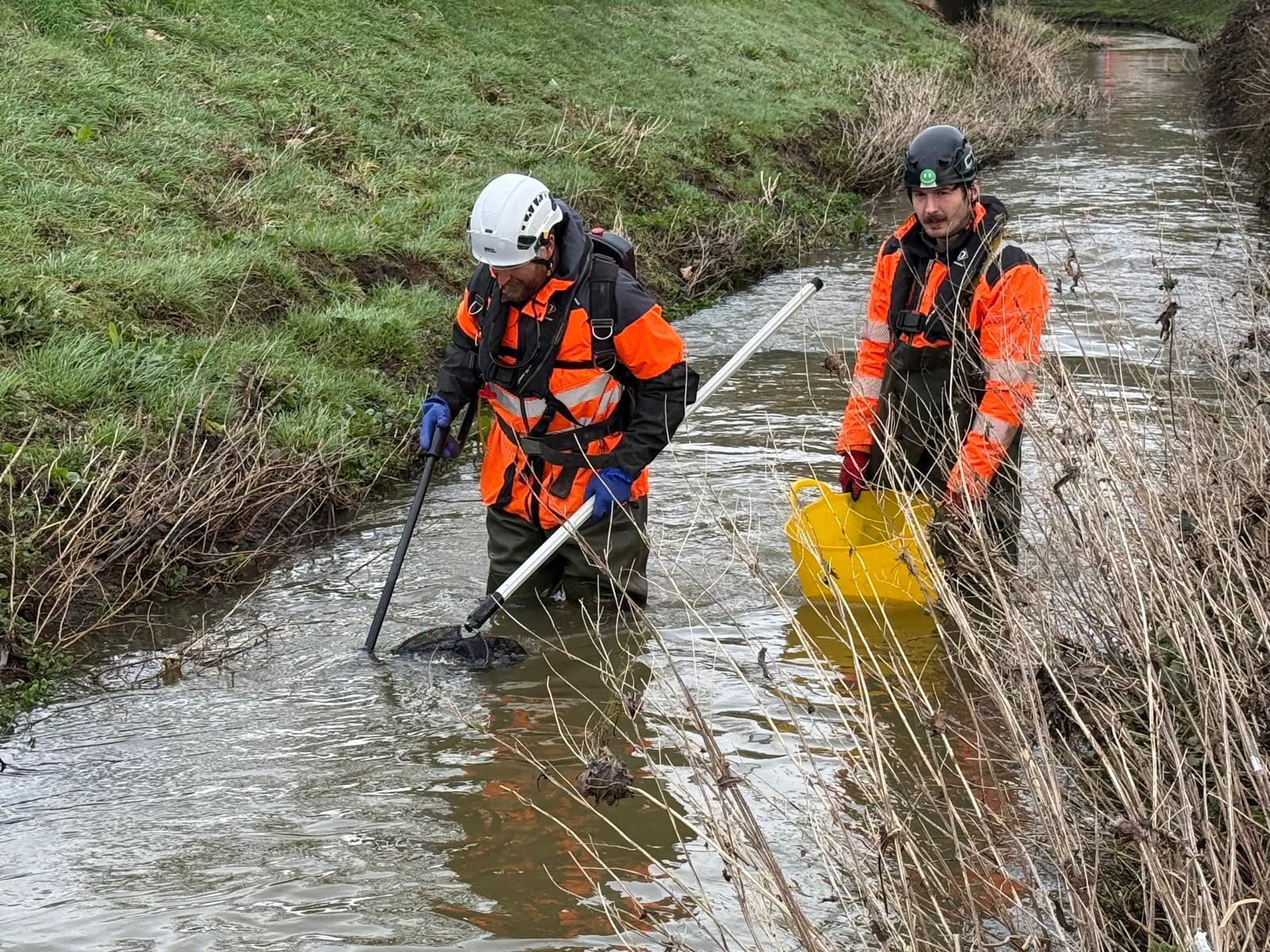
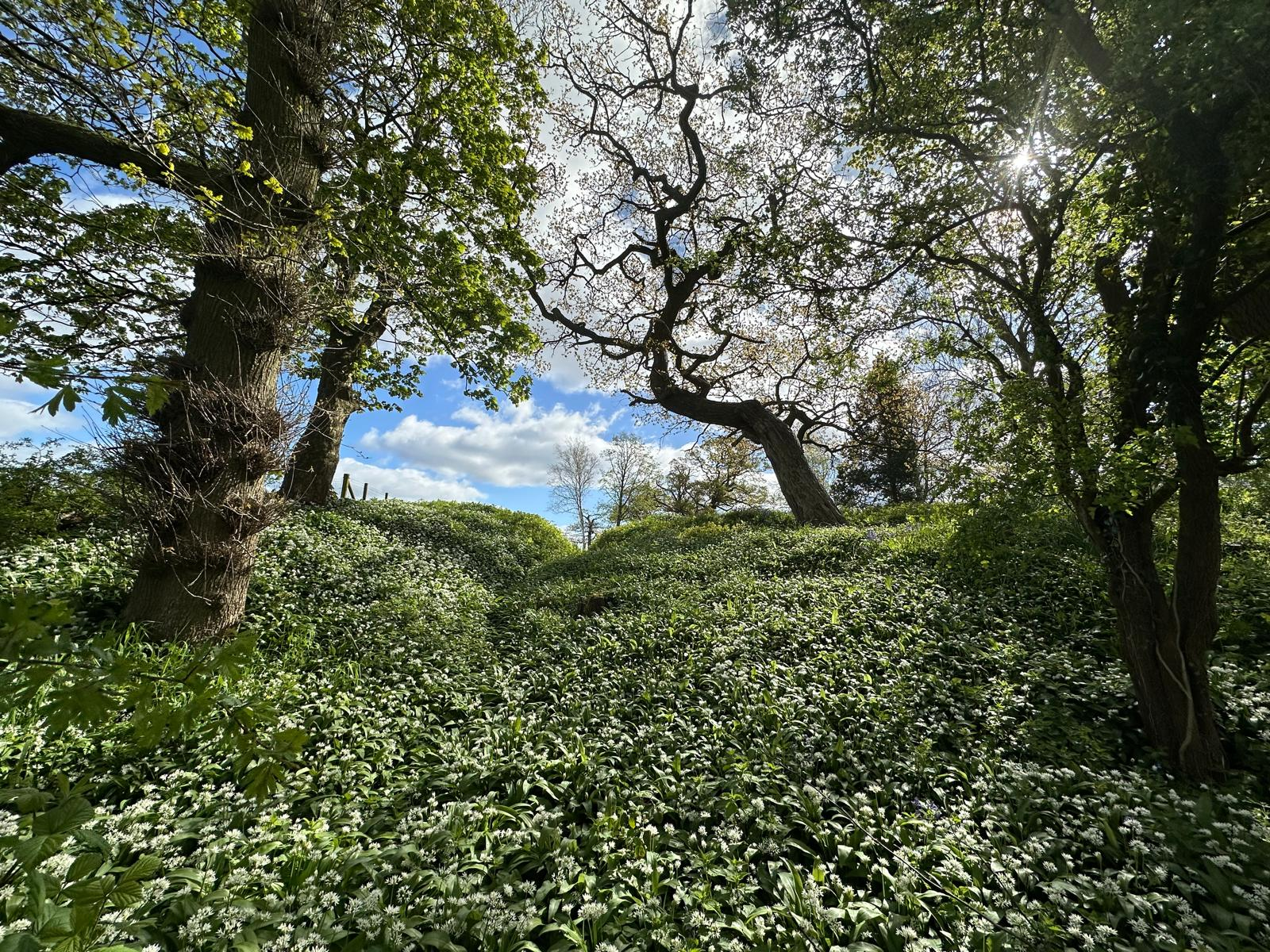
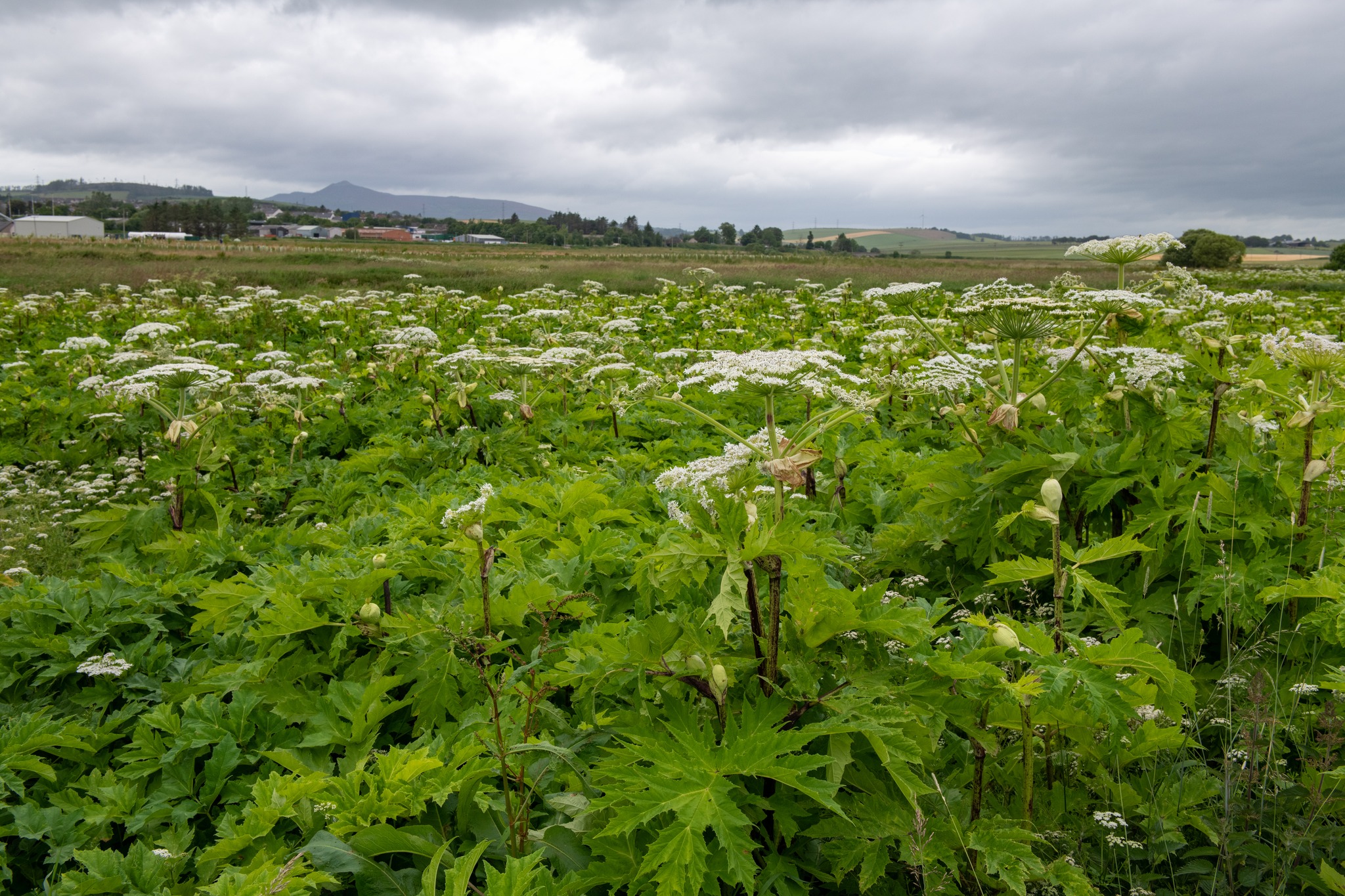
Accurate understanding of a river’s physical condition is essential for effective restoration, planning, and environmental compliance. River Condition Assessments (RCAs) combine field‑based surveys with expert analysis to reveal how a watercourse’s form, sediments, vegetation and human pressures influence its ecological function. RCAs are widely used for baseline appraisals, enhancement planning, monitoring change over time and supporting regulatory requirements such as Biodiversity Net Gain reporting.
.
MoRPh5: High‑Resolution Field Assessment
At the heart of our field work is the MoRPh5 survey — a structured way of surveying a river using five contiguous MoRPh modules to characterise a subreach (typically 50–250 m). Each module captures detailed data on channel form, sediments, vegetation structure and pressures across the bed, banks and adjacent margins. These data are distilled into numerical indicators that feed a consistent, repeatable condition assessment for that subreach.
MoRPh surveys form the field component of a River Condition Assessment and are recognised for their robustness and compatibility with professional biodiversity, habitat and planning frameworks.