Invasive plant surveys are often required for planning applications, land‑use change projects or to inform management strategies that protect native habitats and meet legal obligations. Early identification and appropriate management ensure smoother project delivery and help prevent costly ecological or regulatory delays.
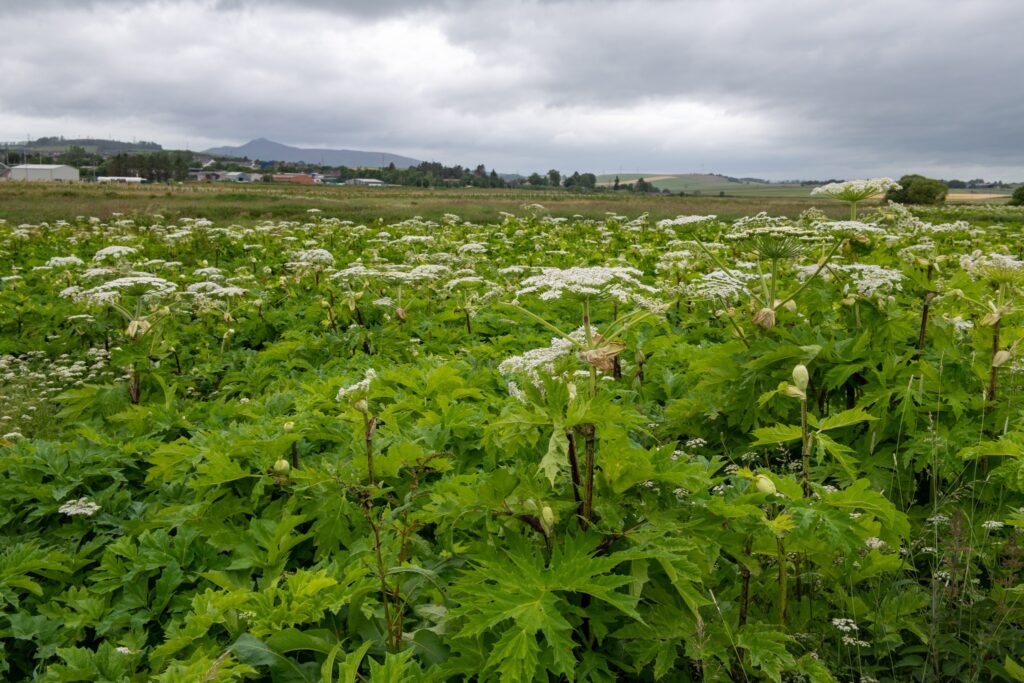
Species such as Japanese knotweed, Himalayan balsam and giant hogweed are common invasive plants encountered on development and land‑management sites in the UK, and their identification and management are essential to protect biodiversity and comply with wildlife legislation.
Our Invasive Plant Surveys are carried out by qualified ecologists who inspect your site in detail to identify the presence, extent and density of invasive non‑native plants listed under Schedule 9 of the Wildlife and Countryside Act 1981 (as amended). Surveys are typically undertaken during the growing season (April to September) to ensure accurate detection of species and to support sound ecological advice.