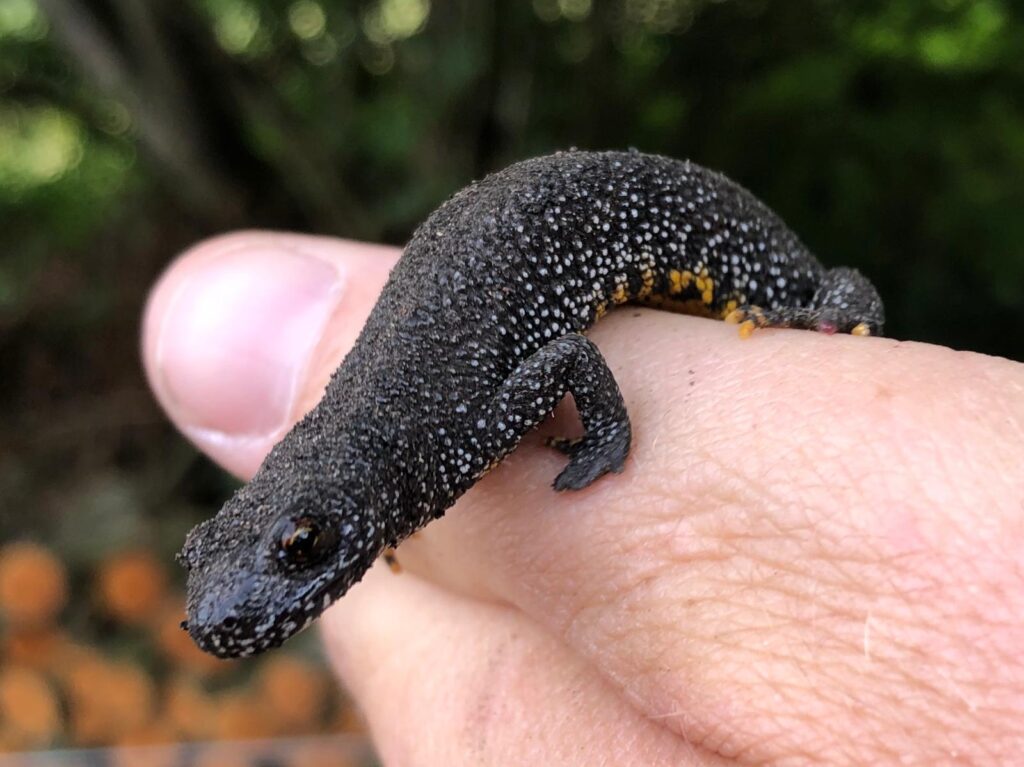
If your development or land‑use change lies near suitable GCN habitat, particularly ponds within approximately 500 m of a site, surveys are usually required to determine whether newts are present or likely absent. Local planning authorities routinely expect survey evidence before granting consent where GCN could be affected.
A full GCN survey typically follows best practice guidelines and includes one or more of the following, depending on timing and site conditions:
Habitat Suitability Index (HSI) assessments to evaluate how suitable ponds are for newts.
Environmental DNA (eDNA) sampling, where water samples are analysed in a lab to detect newt DNA — a quick, non‑invasive way to indicate presence or likely absence.
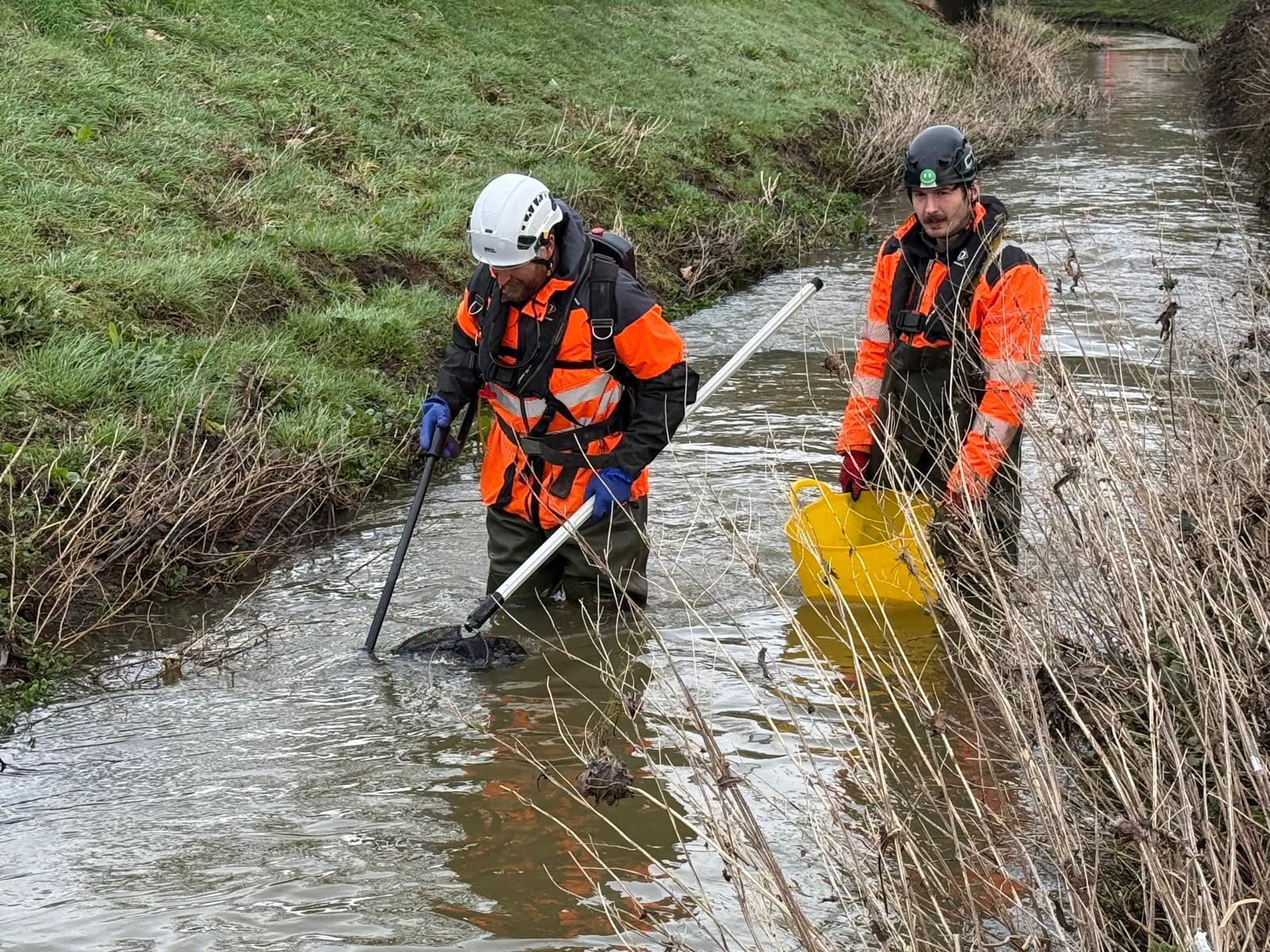
Traditional presence/absence surveys, with four to six visits during the breeding season (mid‑March to mid‑June), using methods such as bottle trapping, torchlight searches, netting and egg searching.
If newts are confirmed, further surveys may be needed to estimate population size class to support licensing or mitigation planning.