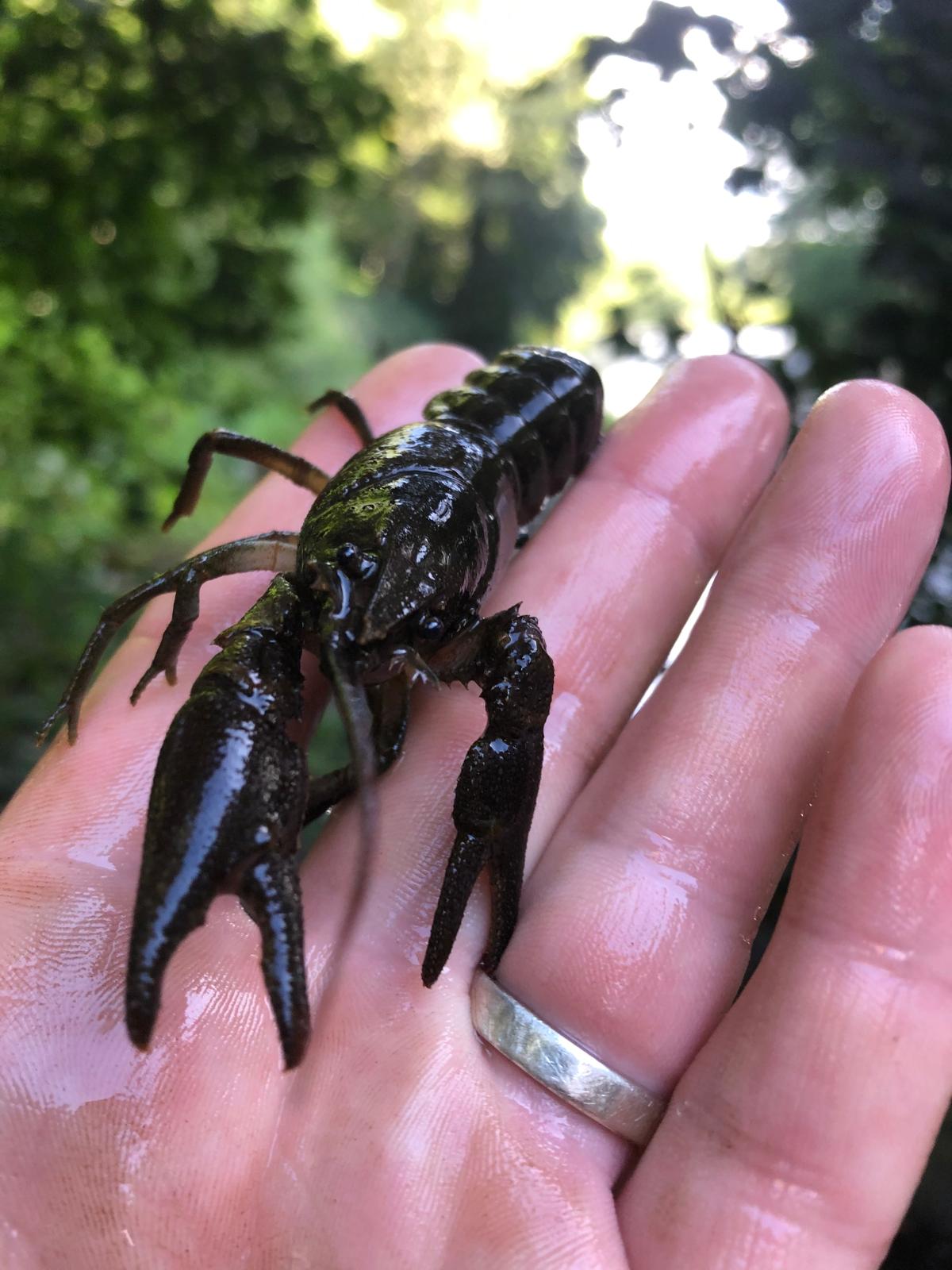
White-clawed crayfish surveys help establish whether
development proposals could affect protected freshwater habitats and identify
the ecological measures needed to support planning and project delivery.
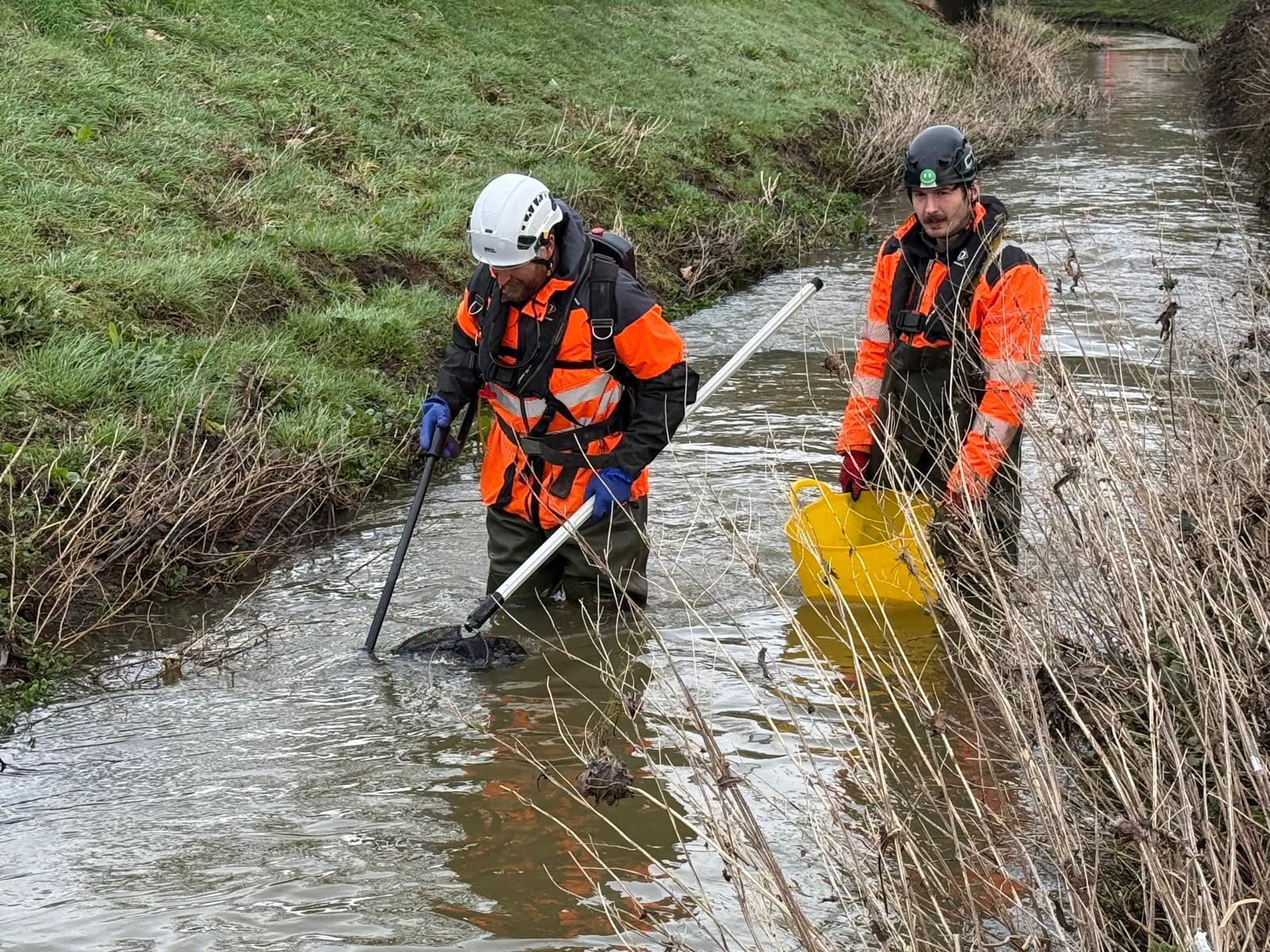
Our ecologists undertake targeted surveys for rivers,
streams, canals and other suitable waterbodies, providing practical advice,
planning-ready reporting and clear recommendations for mitigation where
required.
Whether you are preparing a planning application,
progressing infrastructure works or assessing land constraints, we help
identify ecological risks early and maintain project momentum.
We tailor survey methods to your site and waterbody, drawing on techniques including:
Refuge and manual searching, inspecting suitable habitat under stones, roots and woody debris.
Night‑time surveys using torchlight, which can cover deeper or inaccessible areas with minimal disturbance.
Baited trapping, where appropriate, to detect crayfish activity in deeper or turbid waters.
Environmental DNA Analysis In addition to traditional field methods, environmental DNA (eDNA) analysis is now widely used to detect White‑clawed Crayfish in waterbodies. eDNA testing involves collecting water samples that are analysed in a specialist laboratory to search for trace amounts of DNA shed into the environment by crayfish and other aquatic species.